
Introduction
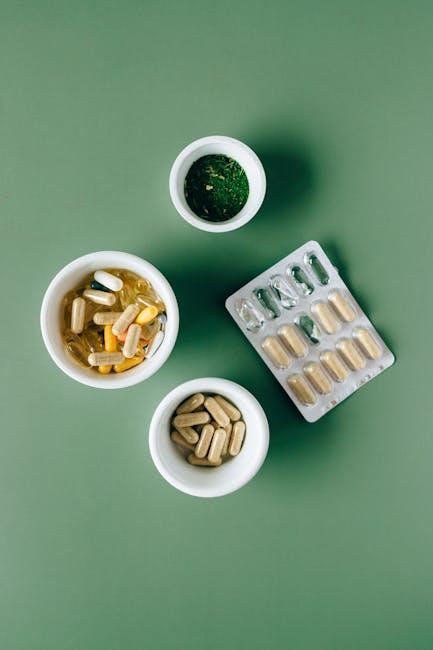
As herbal medicine usage surges worldwide, a important intersection has emerged between conventional remedies and modern pharmacotherapy. According to the World Health Organization (WHO), up to 80% of the global population relies, at least in part, on herbal products for some aspect of primary healthcare.Simultaneously, the prevalence of chronic diseases requiring long-term prescription medications—such as hypertension, diabetes, and cardiovascular disease—continues to rise globally. This convergence has created a crucial patient safety issue: Are herbal remedies safe to take with prescription meds?
despite a common perception that ”natural” means ”safe,” pharmacological evidence warns otherwise. Herb-drug interactions (HDIs) have resulted in significant adverse drug reactions (ADRs), ranging from diminished drug efficacy to severe toxicity. Considering the considerable use of both modalities—and the widespread underreporting of herbal intake to healthcare providers—this article rigorously investigates the safety,risks,mechanisms,and best practices when integrating herbal remedies with prescription drugs,grounded in the latest medical research and clinical guidelines.
Understanding Herbal Remedies and Prescription Medications
Defining Herbal Remedies
Herbal remedies encompass plant-derived products used for preventive, therapeutic, or health-promoting purposes. These can include teas, tinctures, capsules, powders, or topical preparations. Unlike pharmaceuticals,herbal products are often classified as dietary supplements in regions like the United States,subjecting them to different regulatory standards. Detailed insights into herbal medicine can be sourced from the National center for Complementary and integrative Health (NCCIH).
Understanding Prescription Medications
Prescription medications are chemical or biological agents prescribed by licensed healthcare professionals to treat, manage, or prevent disease. Their efficacy, safety, dosage, and quality undergo rigorous testing during regulatory approval processes established by agencies such as the U.S. Food and Drug Administration (FDA) and the European Medicines Agency (EMA).
Differences in Regulation and Quality Control
Pharmaceutical regulation is stringent: drugs must demonstrate safety and efficacy in controlled clinical trials before approval. In contrast, herbal supplements are typically regulated as foods or food supplements. This means they are not required to undergo pre-market approval, and their quality (including potency, purity, and contamination risks) may vary considerably between products and brands (NIH Office of Dietary Supplements).
Why Co-Administration is Common
Patients may combine herbal and prescription therapies to enhance treatment efficacy, reduce side effects, or pursue a holistic approach to health. Sometimes, patients self-medicate with herbal products, unaware of the potential for risky interactions—a public health concern highlighted by the Centers for Disease Control and Prevention (CDC).
Mechanisms of Herb-Drug Interactions
Understanding how herbal remedies interact with prescription drugs is vital for evaluating combined use safety. There are two main types of interactions: pharmacokinetic and pharmacodynamic.
Pharmacokinetic Interactions
- Absorption: Herbal products may alter gastrointestinal pH, motility, or function, affecting drug absorption rates (NCBI).
- Distribution: Herbs can compete with prescription drugs for plasma protein binding sites, altering the free (active) concentration of the drug.
- Metabolism: Many herbs modulate hepatic cytochrome P450 (CYP) enzymes, crucial for drug metabolism.Induction or inhibition of CYP activity can either reduce therapeutic efficacy or increase toxicity.
- Excretion: Herbs impacting renal function or drug transporter proteins can alter the excretion of drugs, affecting their serum concentrations.
Pharmacodynamic Interactions
These occur when herbs and drugs exert synergistic,additive,or antagonistic effects on the same physiological pathways. For example, both may increase bleeding risk or sedative effects when combined (NCBI).
Genetic and Individual Variability
Genetic polymorphisms can influence how individuals metabolize both herbs and drugs,creating further unpredictability in interaction severity and clinical risks (Harvard Health).
Common Herbal Remedies and Their Drug Interaction Risks
The following table summarizes some of the most widely used herbs, common indications, and documented drug interaction risks:
| Herbal Remedy | Common Uses | Notable Drug Interactions | Potential Outcomes | References |
|---|---|---|---|---|
| St. John’s Wort (Hypericum perforatum) | Depression, anxiety | SSRIs, oral contraceptives, warfarin, cyclosporine, antiretrovirals | Serotonin syndrome, contraceptive failure, transplant rejection, bleeding risk | FDA |
| Ginkgo biloba | Cognitive enhancement,circulatory disorders | Anticoagulants,antiplatelet drugs,NSAIDs | Increased bleeding risk | NCBI |
| Ginseng (Panax) | Fatigue, immune support, diabetes | Insulin, oral hypoglycemics, warfarin, MAOIs | Hypoglycemia, reduced anticoagulation, hypertensive crisis | Mayo Clinic |
| Garlic (allium sativum) | Hyperlipidemia, hypertension, immunity | Antiplatelets, anticoagulants, HIV protease inhibitors | Increased bleeding, reduced efficacy of HIV therapy | NCCIH |
| Valerian (Valeriana officinalis) | Insomnia, anxiety | Benzodiazepines, barbiturates, central nervous system depressants | Increased sedation, respiratory depression | Healthline |
| Echinacea | Colds, immune stimulation | Immunosuppressant drugs | reduced transplant drug effectiveness | Mayo Clinic |
Clinical Evidence of Herb-Drug Interactions
numerous clinical studies and case reports have documented serious interactions resulting from concurrent use of herbal and prescription products:
- St. John’s Wort and Cyclosporine: Multiple cases of organ transplant rejection due to enhanced cyclosporine metabolism (The Lancet).
- Ginkgo and Warfarin: Increased international normalized ratio (INR) and risk of spontaneous bleeding events, including intracerebral hemorrhage (NCBI).
- Garlic and HIV Medications: Garlic reduced serum concentrations of the protease inhibitor saquinavir,threatening antiretroviral efficacy (PubMed).
- Ginseng and Warfarin: Ginseng has been shown to decrease warfarin’s anticoagulant effect, increasing thromboembolic risk (JAMA).
- Valerian and Benzodiazepines: Documented potentiation of central nervous system depression and impaired psychomotor function (Healthline).
Epidemiology: How Common Are Herb-Drug Interactions?
Global surveys suggest that 20–50% of patients taking prescription medications also use herbal supplements, with higher rates among those with chronic or life-threatening illnesses (NCBI). Alarmingly, less than half of these users inform their healthcare providers of herbal use, raising the risk of unrecognized adverse interactions.
A meta-analysis published in JAMA Internal Medicine identified that clinically significant herb-drug interactions contributed to up to 12% of ADR-related hospitalizations among elderly patients taking multiple medications.
Factors Increasing the Risk of Adverse Interactions
- Polypharmacy: The more prescription medications and supplements taken, the higher the interaction risk (CDC).
- Age: older adults face increased risk due to altered pharmacokinetics and higher rates of polypharmacy.
- Comorbidities: Individuals with hepatic or renal impairment may be more susceptible to serious reactions (Mayo Clinic).
- Genetic Factors: Metabolic enzyme polymorphisms (e.g., CYP2C9, CYP3A4) can exacerbate or mitigate risks.
- Source and Manufacturing of Herbal Products: Unregulated supplements may be contaminated or adulterated, compounding safety concerns.
Regulatory and Safety Oversight of Herbal-Drug Combinations
Current Regulatory Landscape
In the United states, herbal supplements fall under the Dietary Supplement Health and Education Act (DSHEA) of 1994, which means they are not evaluated for efficacy or safety before entering the market. Regulatory requirements in the European Union and other regions may provide slightly more oversight but generally do not match pharmaceutical standards (NHS).
Lack of mandated reporting for adverse events and inconsistent labeling poses risks for patients and clinicians alike. This knowledge gap emphasizes the need for healthcare professionals to proactively query patients about all supplement use (Medical News Today).

Case Studies: Real-World Examples of Harmful interactions
Evidence-based medicine relies not only on clinical trials but also on robust pharmacovigilance and real-world case reports. the following are instructive examples demonstrating the potential seriousness of herb-drug interactions:
- Case 1: St. John’s Wort and Antiretroviral Failure— A patient with HIV experienced an increase in viral load despite strict adherence to antiretroviral therapy. Investigation revealed he had started taking st. John’s Wort for mild depression. This herb induced CYP3A4 enzymes,dramatically lowering the plasma concentration of the HIV drug (NCBI).
- Case 2: Ginkgo and Aspirin— An elderly patient using aspirin for stroke prevention began taking ginkgo for memory support. She developed spontaneous nosebleeds and easy bruising—both linked to Ginkgo’s antiplatelet effect (JAMA).
- Case 3: Echinacea and Transplant Immunosuppression— Following renal transplant,a patient self-prescribed Echinacea to “boost immunity,” leading to a significant drop in immunosuppressant blood levels and acute graft rejection (NCBI).
Specific Drug Classes at Greatest Risk of Herb-Drug Interaction
- Anticoagulants and Antiplatelets (e.g. warfarin, aspirin, clopidogrel): Several herbs (Ginkgo, garlic, ginseng, St. John’s Wort, dong quai) increase bleeding risks or reduce anticoagulant efficacy (Harvard Health).
- Immunosuppressants (e.g. cyclosporine, tacrolimus): St. John’s Wort and Echinacea can reduce plasma levels, risking organ rejection or treatment failure.
- Antidepressants & Psychiatric Medications: Herbs with serotonergic or sedative activity (e.g., St. John’s Wort, valerian, kava) can cause serotonin syndrome or oversedation, especially with ssris, SNRIs, and benzodiazepines (Healthline).
- Hypoglycemic Agents and insulin: Herbs like ginseng, bitter melon, and cinnamon can potentiate hypoglycemia.
- Cardiac Medications (e.g. digoxin, calcium channel blockers): Licorice and other herbs can affect serum potassium, alter absorption, or worsen arrhythmias (MedlinePlus).
Current Guidelines and Recommendations
- NCCIH recommends openly disclosing all supplement and herbal product use to your prescribing healthcare provider, especially if you have chronic disease, are pregnant, breastfeeding, or taking medication regularly.
The FDA urges patients to avoid assuming “natural” is synonymous with “safe” and to use only products with third-party certification.
- Mayo Clinic underscores the importance of professional medication reviews before starting any herbal product, particularly for older adults, those with multiple prescriptions, or individuals with coexisting conditions.
special Populations: Who Faces the Greatest Risk?
Older Adults
Polypharmacy, comorbidities, and age-related changes in drug metabolism make older adults especially vulnerable to herb-drug interactions (NCBI).
Pregnant and Breastfeeding Women
Lack of safety data for many herbal products and potential for teratogenicity or toxicity necessitate caution (MedlinePlus).
Children
Doses are not standardized for pediatric populations. Children’s unique pharmacodynamics require consultation with a pediatrician before any herbal or supplement use.
How to Safely use Herbal Remedies with Prescription Medications
Recommendations for Patients
- Always inform your healthcare provider about all herbal products, over-the-counter medicines, and supplements you use.
- Use only products from reputable brands and those that have received third-party verification for purity and content (NSF International).
- Avoid herbal products known for high interaction risks if you are on critical medications (anticoagulants, immunosuppressants, chemotherapy).
- Never exceed recommended doses, and do not take multiple supplements with similar active ingredients.
- If any unusual symptoms develop after starting a new herbal product, stop promptly and contact your physician.
Recommendations for Healthcare Providers
- Routinely inquire about herbal and supplement use as part of the patient medication history.
- Utilize drug-interaction databases such as Drugs.com or Medscape to check for potential interactions.
- Monitor for adverse effects and therapeutic efficacy when patients use both conventional medication and herbal remedies.
- Report suspected herb-drug interactions to regulatory agencies to enhance pharmacovigilance efforts (FDA MedWatch).
Evidence-Based Alternatives: Integrative or Complementary Approaches Under Medical Supervision
Not all herbal remedies are contraindicated; some may be safe when properly selected, dosed, and monitored. For example, peppermint oil for irritable bowel syndrome or ginger for mild nausea have relatively few interaction risks, especially when reviewed by a healthcare provider (Harvard Health).
The best practice is adopting an integrative approach—combining conventional and complementary therapies under a physician’s guidance—particularly for those with complex health needs.
Summary Table: Do’s and Don’ts When Mixing herbal Remedies with Prescription Meds
| Do’s | Don’ts |
|---|---|
| Inform your healthcare team about every supplement and herb you use. | Assume “natural” means “harmless” without clinical evidence. |
| Research your chosen products via authoritative medical sites. | Buy supplements from unverified, non-certified suppliers. |
| Request medication reviews if you begin or stop using a herbal supplement. | Combine herbal and prescription medicines with overlapping active effects (e.g., two sedatives). |
| Monitor closely for new side effects or changes in drug efficacy after starting an herb. | Use herbal remedies in children, pregnancy, or chronic illness without physician review. |
| Report adverse reactions to national safety authorities. | Discontinue or alter prescribed medication regimens based solely on herbal advice. |
Frequently Asked Questions About Herb-Drug Safety
Q: Is it safe to combine dietary supplements with prescription medications?
A: Not usually without medical advice. Many dietary supplements, including herbal remedies, interact with conventional drugs in ways that can be dangerous. Always consult your doctor or pharmacist before combining these therapies (FDA).
Q: What are the first signs of an herb-drug interaction?
A: Symptoms may include unexpected side effects, increased or reduced medication efficacy, bruising or bleeding, confusion, drowsiness, or gastrointestinal issues. Always report new symptoms promptly (Medical News Today).
Q: Which herbs are safest to use with prescription medications?
A: Herbs like ginger and peppermint, when used short-term and in standard doses, have limited documented risk. Nevertheless, no herb should be deemed universally ‘safe’ with all medications (Healthline).
Conclusion: Key Takeaways for Safe, Evidence-Based Use
The evidence is clear: herbal remedies may carry as much risk for drug interactions as synthetic medications—sometimes even more so due to regulatory gaps and lack of standardized dosing. Such interactions are not rare and may lead to severe clinical consequences, including organ rejection, bleeding, toxicity, or therapeutic failure. Patient safety depends on open dialog with medical professionals,consultation of reliable sources,and regular review of all substances being used.
Healthcare providers and patients must work together in taking a holistic, informed, and cautious approach to merging herbal and prescription therapies. By applying evidence-based practice, using reputable medical resources, and championing proactive communication, therapeutic efficacy can be maximized and preventable harm minimized. For most patients, the adage “discuss before you dose” applies. Always consult your pharmacist or physician before adding any herbal product to your medication regimen.
Further Reading and Reliable Resources
- NCCIH – National Center for Complementary and Integrative Health
- FDA – What You Need to Know About dietary Supplements
- Mayo Clinic – Herbal Supplements: What to Know Before You Buy
- Harvard health – Herbal Remedies: What the Research Says