

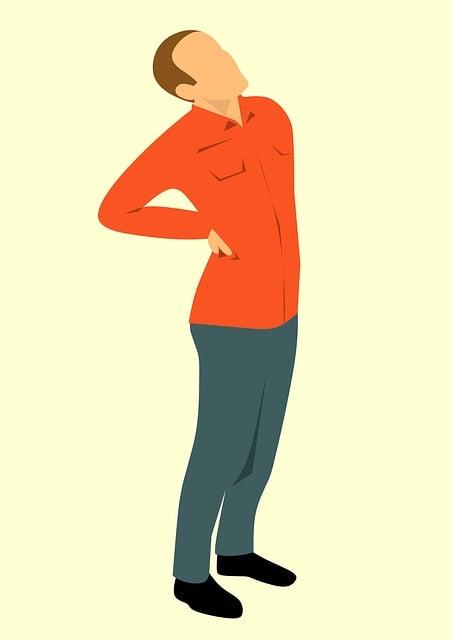
 lower back pain“>
Lower back pain triggered by small everyday actions
Introduction
Lower back pain is one of the most prevalent and disabling musculoskeletal conditions worldwide, impacting the quality of life, productivity, and mental health of millions. According to the World Health Organization (WHO), low back pain is the leading cause of disability in 160 countries, and it’s prevalence is rising due to aging populations and sedentary lifestyles. Strikingly, research shows that lower back pain is frequently enough triggered not just by major accidents but by small, routine actions—such as bending to pick up an object, twisting while reaching, standing from a seated position, or lifting a lightweight bag—often catching individuals by surprise (CDC). This article explores in-depth how these everyday movements contribute to lower back pain, provides insights into underlying mechanisms, and offers evidence-based prevention and management strategies.
Overview and Definition
Lower back pain, clinically termed “lumbago,” refers to discomfort localized in the area below the ribcage and above the gluteal folds. It is indeed frequently enough classified based on onset and duration: acute (<6 weeks), subacute (6–12 weeks), or chronic (>12 weeks). According to the National Institutes of Health (NIH), lower back pain can be further categorized as mechanical (originating from the spine, intervertebral discs, or supporting structures), neuropathic (involving nerve compression or inflammation), or referred pain from visceral organs.
Epidemiologically, lifetime prevalence of lower back pain in adults ranges from 60–80% globally (PubMed). The condition affects individuals across all age groups but is especially common in working-age populations. It is the leading cause of years lived with disability (ylds) globally, representing a significant health and socioeconomic burden (The Lancet).
The lower back comprises vertebrae (L1–L5), intervertebral discs, ligaments, muscles, nerves (like the sciatic nerve), and supporting connective tissue, all of which may be implicated in pain syndromes from acute strains to chronic degenerative changes.
Causes and Risk factors
Lower back pain triggered by small everyday actions typically arises from a complex interplay of biomechanical, biological, environmental, and behavioral factors. Understanding these root causes is critical for both prevention and long-term management.
Biomechanical Causes
- Muscle and Ligament Strain: Sudden or unaccustomed movements such as bending, twisting, or lifting—even with minimal weight—can overstress lumbar muscles and ligaments. Microtears, inflammation, and localized pain are common consequences (Mayo Clinic).
- Intervertebral Disc Injury: Degeneration or improper loading can cause disc herniation or bulging, often due to simple movements in compromised spines, resulting in radicular pain (NIH).
- Poor ure: Habitual slouching,prolonged sitting,or improper lifting techniques alter spinal alignment,increasing mechanical stress during everyday activities (Harvard Health Publishing).
Biological and Genetic Factors
- Age-Related Degeneration: With advancing age, intervertebral discs lose water content and elasticity, becoming more susceptible to injury from minor movements (PubMed).
- Genetic Predisposition: family history plays a role, with certain individuals at higher risk for degenerative conditions and pain syndromes (NIH News).
Behavioral Factors
- Sedentary Lifestyle: Physical inactivity weakens core stabilizing muscles, making the lower back more vulnerable to injury from minor exertions (Harvard Health Publishing).
- Improper Movement Patterns: Repetitive bending, twisting, or lifting with poor form can repeatedly trigger microtrauma, leading to chronic pain (CDC/NIOSH).
- Obesity: Excess body weight increases lumbar disc pressure and alters biomechanics, compounding the effects of minor physical stressors (NCBI).
Environmental and Occupational Factors
- Workplace Ergonomics: Non-ergonomic workstations, frequent sitting or repetitive tasks, and heavy lifting occupations are associated with increased lower back injury risk even from minor actions (OSHA).
- Footwear and Floor Surfaces: Inappropriate shoes and slippery or uneven surfaces can contribute to falls or awkward movements, precipitating pain episodes (Medical News Today).

mechanisms: How Small Actions Trigger Lower Back Pain
everyday activities that seem innocuous can pose biomechanical stress on lumbar structures, particularly when underlying risk factors exist. Scientific studies elucidate multiple mechanisms that explain this vulnerability.
- Sudden loading and Leverage: Bending forward while picking up a light object may generate four to five times body weight in compressive force on lumbar discs,according to biomechanical research.
- Muscle Guarding and Fatigue: Weak or fatigued spinal muscles fail to stabilize the vertebrae, allowing small, speedy, or awkward movements to result in microstrains or spasms (JAMA).
- Intervertebral Disc Stress: Repeated flexion/extension or twisting loads the discs, hastening degeneration and increasing risk of annular tears even with modest force (Rheumatology Journal).
- Inflammatory Cascade Activation: Microtrauma induces a localized inflammatory response, contributing to swelling, nerve sensitization, and pain amplification (NIH PMC).
Clinical Presentation and symptomatology
The hallmark symptom is pain localized to the lumbar region, with or without radiating symptoms. Symptom severity varies from dull aches to acute, severe pain following a precipitating movement. Other features include:
- Stiffness, especially after prolonged inactivity
- Pain exacerbated by specific actions (bending, rising from sitting, lifting, twisting)
- Muscle spasms or tightness (Mayo Clinic)
- Reduced range of motion
- In certain specific cases, neurological signs: numbness, tingling, or weakness when nerve roots are affected (Healthline)
Rarely, “red flag” symptoms such as incontinence, fever, or unexplained weight loss may indicate serious underlying pathology and require urgent evaluation (MedlinePlus).
Diagnostic Evaluation
Diagnosing lower back pain triggered by small everyday actions primarily relies on clinical history and physical examination, supported by selective use of imaging and laboratory studies.
- Medical History: Focuses on onset, duration, triggers, prior episodes, comorbidities, and functional impact (NIH PMC).
- Physical Examination: Includes inspection, palpation, range of motion, neurological assessment, and special tests (straight leg raise, reflexes).
- Imaging: X-rays are typically reserved for trauma or suspected bone pathology; MRI is indicated for persistent pain,neurological deficits,or suspicion of disc/soft tissue injuries (Mayo Clinic).
- Laboratory Studies: Only warranted for suspected infection, malignancy, or inflammatory arthritis.
A “watchful waiting” approach is supported in most acute nonspecific cases unless red flags arise (NHS).
Prevention: Evidence-Based Strategies for Everyday Life
Ergonomics and Body Mechanics
Implementing proper ergonomic practices in the home, workplace, and during recreational activities is essential to prevent lower back pain. This includes:
- Safe Lifting Techniques: Bend at the knees, keep objects close to the body, and use both hands to avoid twisting or one-sided strain (CDC NIOSH).
- Workstation Setup: Use ergonomic chairs, maintain neutral spinal alignment, keep feet flat, and position monitors at eye level (OSHA).
- Minimize Prolonged Sitting/Standing: Alternate ures regularly,take stretching breaks,and consciously engage core muscles,especially during repetitive tasks (Harvard Health Publishing).
Exercise and Conditioning
Regular physical activity, particularly core strengthening and adaptability exercises, has strong evidence for preventing and mitigating lower back pain. Recommended interventions include:
- Pilates and Yoga: Promote lumbar stability, flexibility, and proprioception (NIH PMC).
- Aerobic Exercise: Walking, swimming, or cycling enhance cardiovascular health and support weight management (Mayo Clinic).
- Strength Training: Focused programs for lumbar extensor, abdominal, and hip muscles reduce risk of acute and chronic pain (JAMA Internal Medicine).
Professional guidance from physical therapists is crucial, especially for individuals with previous injuries or chronic pain.
Lifestyle Modifications
- Weight Management: Sustaining a healthy body weight reduces lumbar disc and joint loading risk (NHS).
- Footwear: Supportive shoes with proper arches can mitigate uneven loading and minimize back pain episodes (Medical News Today).
- Sleep Quality: Using supportive mattresses and appropriate sleeping positions may alleviate nocturnal symptoms and promote recovery (Harvard Health Publishing).
Management and Treatment Options
Self-Management and Conservative Therapies
For most episodes of lower back pain triggered by minor actions, conservative management is both safe and effective:
- Activity Modification: Avoid aggravating activities but remain as active as tolerated (Mayo Clinic).
- Heat and Cold therapy: can reduce muscle spasm and inflammation (Healthline).
- Over-the-Counter Pain Medication: Nonsteroidal anti-inflammatory drugs (NSAIDs) or acetaminophen for short-term pain relief; avoid chronic use unless prescribed.
- Physical Therapy: Evidence-based for rehabilitation and prevention of recurrence (PubMed).
Interventional and Pharmacologic Therapies
- Prescription Medications: Muscle relaxants or, in select cases, short-term opioids under supervision (FDA).
- Injections: Corticosteroid or nerve block injections are reserved for persistent, severe symptoms due to nerve involvement (Mayo Clinic).
Surgical Considerations
Surgical intervention is considered only for refractory cases with severe structural pathology (herniated disc with neurological compromise, spinal stenosis, tumors, or infections). A multidisciplinary approach is favored (PubMed).
Prognosis and Complications
Most cases of lower back pain precipitated by everyday actions resolve within weeks with conservative management. Chronic or recurrent pain impacts physical activity, mental health, and increases risk of long-term disability (WHO). early intervention and preventive strategies substantially improve long-term outcomes.
- complications: Include chronic pain syndromes, reduced mobility, work absenteeism, depression, or opioid dependency.
When to Seek Medical Attention
Individuals should seek prompt evaluation if they experience:
- Severe, persistent, or worsening pain unrelieved by rest
- Neurological symptoms: numbness, weakness, loss of bowel or bladder control
- History of recent trauma, unexplained fever, night sweats, or cancer
Red flag symptoms may suggest underlying serious conditions requiring urgent assessment (Mayo Clinic).
Future Directions in Research and Innovation
Emerging research is exploring novel diagnostic tools (wearable technology), predictive analytics for injury risk, regenerative therapies for disc disease, and digital health platforms for remote rehabilitation (JAMA Internal Medicine). A personalized, multidisciplinary approach—incorporating physical therapy, behavioral modification, and technology—is expected to define the next era in prevention and treatment.
Conclusion
lower back pain triggered by small everyday actions is both highly prevalent and highly preventable when armed with scientific knowlege and practical strategies. By understanding its epidemiology, mechanisms, and risk factors, patients and clinicians can collaboratively develop interventions that minimize risk, accelerate recovery, and reduce the burden on individual lives and healthcare systems. Timely prevention, evidence-based self-management, and early professional engagement remain central to optimal outcomes.
For tailored advice, readers are encouraged to consult with a primary care physician, physical therapist, or spine specialist.
References
- World Health Organization: Musculoskeletal conditions
- CDC: Back Pain Prevalence
- NIH: Lower Back Pain Overview
- The Lancet: Global burden of low back pain
- Mayo Clinic: Back Pain
- Harvard Health: Back pain and ure
- JAMA: Muscle pain and biomechanics
- MedlinePlus: Back Pain