
Introduction
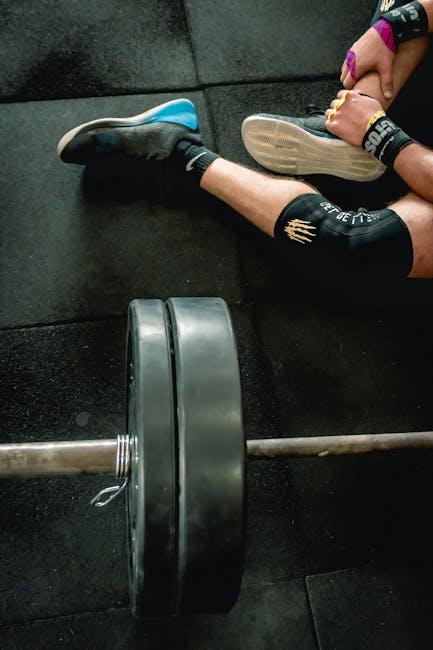
Leg day is notorious among athletes, fitness enthusiasts, and anyone committed to lower-body strength training. Intensive leg workouts—ranging from weighted squats and lunges to plyometrics and deadlifts—are essential for complete fitness, metabolic health, and functional mobility. Though, these routines frequently enough result in significant (Harvard Health Publishing) muscle soreness, fatigue, and delayed-onset muscle soreness (DOMS), which can impede subsequent performance and increase the risk of injury.Understanding and implementing evidence-based recovery strategies is crucial for maximizing adaptation, minimizing discomfort, and promoting rapid, safe return to training. This comprehensive guide,writen from a healthcare professional’s perspective,draws upon the latest clinical research and expert recommendations to detail how to recover faster after leg day.
Why Is Recovery Important After Leg Day?
Leg day subjects large muscle groups—including quadriceps, hamstrings, gluteals, and calves—to intense mechanical and metabolic stress. This microtrauma triggers an inflammatory response, leading to pain, stiffness, and impaired muscle function (NCBI). Without adequate recovery, individuals risk compromising long-term muscle gains, performance, and musculoskeletal health. Effective recovery:
- Facilitates muscle protein synthesis and repair
- Reduces the duration and severity of DOMS
- Minimizes systemic inflammation
- Improves subsequent training outcomes (Mayo Clinic)
- Lowers risk of overuse injuries and chronic fatigue syndrome
the Science of Muscle Recovery: Pathophysiology and Mechanisms
after intense resistance exercise, muscle fibers suffer microscopic tears that initiate a cascade of biological processes. The pathophysiology of recovery involves:
- Inflammatory phase: Neutrophils and macrophages clear damaged tissue (NCBI).
- Repair and regeneration phase: Satellite cells activate, proliferate, and fuse to form new myofibrils.
- Remodeling phase: Collagen synthesis strengthens and optimizes newly formed tissue.
The timeline and efficiency of these processes are modulated by age, nutrition, sleep, hormonal status, and specific interventions.
Understanding DOMS: Delayed-Onset Muscle Soreness
DOMS typically peaks 24–72 hours -exercise and is characterized by muscle tenderness, reduced range of motion, and transient loss of strength (NHS).The precise pathogenesis of DOMS remains under study, but contributing factors include:
- Microtrauma to muscle fibers and connective tissues
- Edema and accumulation of noxious metabolites (e.g., lactic acid)
- Local immune activation and release of cytokines
The phenomenon is not an indicator of muscle growth alone but signals the need for recovery-focused interventions.
1. Optimizing Nutritional Strategies for Rapid Recovery
Protein Intake and Muscle Synthesis
Dietary protein is essential for -exercise muscle protein synthesis (MPS). Consuming 20–40 grams of high-quality protein within two hours of leg day can considerably expedite muscle repair and hypertrophy (NCBI). Whey, casein, soy, and plant-based proteins all demonstrate anabolic effects, with leucine content being a key driver of MPS.
Carbohydrate Replenishment
Glycogen depletion is pronounced after prolonged and high-volume leg workouts. Ingesting carbohydrates in conjunction with protein (at a 3:1 or 4:1 ratio) rapidly restores muscle glycogen and enhances protein accretion (Healthline). Complex carbohydrates such as whole grains, fruits, and starchy vegetables are preferable for sustained energy release.
Micronutrients: The Role of Antioxidants, Magnesium, and Omega-3 Fatty Acids
Antioxidant-rich foods (berries, dark leafy greens) help quench free radicals generated during exercise-induced oxidative stress (Medical News Today). Magnesium supports muscle relaxation, while omega-3 fatty acids (from fatty fish or flaxseeds) possess anti-inflammatory properties shown to reduce DOMS and accelerate recovery (JAMA Network).
2. The Critical Role of Hydration
Dehydration impairs muscle recovery, increases muscle cramping, and prolongs DOMS (CDC). For optimal recovery:
- Rehydrate with water based on sweat loss (weigh before and after workout)
- For prolonged or high-intensity sessions, consider electrolyte solutions to replace sodium and potassium
- Monitor urine color as a simple hydration marker
Proper hydration supports cellular repair, nutrient delivery, and toxin clearance.
3. sleep and Its Impact on Musculoskeletal Recovery
Sleep deprivation significantly impairs the recovery process, decreases muscle glycogen resynthesis, and increases subjective fatigue (Sleep Foundation). Aim for 7–9 hours of uninterrupted sleep to optimize:
- Growth hormone and testosterone release (crucial for muscle recovery)
- Central nervous system (CNS) restoration
- Inflammation modulation and immune balance
Implementing good sleep hygiene—consistent bedtime routine, dark and cool surroundings—further accelerates muscular healing.
4. Active Recovery: Gentle Movement and Low-Intensity Exercise
Contrary to popular belief, resting completely after leg day may actually slow recovery and worsen stiffness. active recovery—gentle walking, cycling, swimming, or yoga—augments blood flow, expedites removal of metabolic waste, and reduces markers of muscle damage. Clinical evidence suggests that low-intensity aerobic exercise within 24 hours:
- Decreases pain severity (NCBI)
- Restores neuromuscular coordination
- Does not impede muscle adaptation or strength gains
Tailor active recovery intensity to personal tolerance and DOMS severity.
5.The Importance of Stretching and Mobility Work
Stretching -leg day can alleviate muscle tightness and support functional recovery (NHS). While static stretching instantly -training may reduce neuromuscular output, gentle dynamic stretching and targeted foam rolling:
- Decrease subjective soreness
- Improve range of motion
- Facilitate lymphatic drainage and circulation
A 10- to 15-minute stretching or self-myofascial release session is recommended for -leg day recovery (Harvard Health).

6. Modalities and Supplements for Enhanced Recovery
Foam Rolling and Self-Myofascial Release
Foam rolling, a form of self-myofascial release, has become a mainstay in athletic recovery protocols:
- Decreases -exercise muscle soreness and stiffness (NCBI)
- Improves flexibility and functional mobility
- May reduce risk of future injury
Spend 1–2 minutes per major muscle group immediately -exercise and during active recovery days.
Contrast Water Therapy (Hot and Cold immersion)
Alternating hot and cold immersion, or contrast water therapy, has been shown to mitigate inflammation and accelerate recovery -intense leg workouts. The cyclical vasoconstriction and vasodilation increase circulation and reduce tissue edema (Medical News Today). Protocols typically involve 1–2 minutes in hot water (38–40°C), followed by 30–60 seconds in cold (10–15°C), for up to 3–5 cycles.
Compression Garments
Wearing compression garments -exercise helps decrease muscle oscillation, reduce swelling, and support venous return. Evidence suggests they are most effective when worn for at least 12–24 hours after strenuous leg activity to lessen DOMS and restore muscle function, though results vary between individuals.
Cryotherapy and Ice Baths
Cryotherapy, such as localized ice submission or full-body immersion, decreases tissue temperature, reduces inflammation, and provides analgesic relief (Mayo Clinic). While some experts question the impact of cold therapy on long-term adaptation, short-term use can attenuate pain and swelling, facilitating faster return to pain-free movement.
Non-Steroidal Anti-Inflammatory Drugs (NSAIDs)
NSAIDs may offer temporary relief for severe soreness but should be used judiciously and under medical supervision (NHS) due to potential gastrointestinal, renal, and cardiovascular side effects. NSAIDs may blunt adaptive muscle remodeling if used excessively.
Evidence-Based Supplements
Certain nutritional supplements are supported by clinical evidence for recovery:
- Branched-Chain Amino Acids (BCAAs): May reduce muscle soreness and expedite muscle repair (NCBI).
- Tart cherry juice: Rich in polyphenols, demonstrated to reduce inflammation and DOMS in athletes (Healthline).
- Curcumin or turmeric supplements: Show promise in modulating -exercise inflammation (NIH).
All supplements should be used in accordance with recommended dosages and after consulting a healthcare provider.
7. Preventing Injury and Optimizing Long-Term Recovery
Safe, effective recovery is the cornerstone of injury prevention and consistent training progress. Implement these strategies:
- Warm-up thoroughly prior to leg day—light cardio, dynamic stretching, activation drills
- Progress training loads gradually (“10 percent rule”)
- Periodize training—plan deload or recovery weeks every 4–6 weeks (Harvard Health)
- Listen to subjective fatigue cues—avoid “pushing through” severe or abnormal pain (CDC)
Smart, proactive recovery reduces risk of strain, tendinopathies, and overtraining syndrome.
Frequently Asked Questions: leg Day Recovery
How long should soreness last after leg day?
Soreness (DOMS) typically peaks at 24–72 hours -exercise and should resolve within 5–7 days (NCBI). Persistent or worsening pain warrants medical evaluation.
Can you train legs if you’re still sore?
Mild soreness is generally not harmful, but training intensely through severe pain may hinder adaptation and increase injury risk. Allow full recovery when soreness is >6/10 or if range of motion is compromised (Mayo Clinic).
do massage or physical therapy aid in -leg day recovery?
Yes, manual therapies including sports massage and targeted physiotherapy can improve circulation, reduce edema, and promote healing after intense leg workouts (Harvard Health).
Should you consume creatine or other ergogenic aids?
Creatine monohydrate is safe and evidence-based for supporting muscle repair, strength, and recovery when used in recommended doses (NCBI).Consult a healthcare provider before supplement use.
Case Study: Practical Leg Day recovery Protocol
Example protocol for a 25-Year-Old Male -Leg Day:
- Immediately -workout: 30 g whey protein + 80 g carbohydrates (fruit + oats); 500 ml water
- After 1 hour: 15-minute light cycling and lower-body foam rolling
- Evening: Contrast shower (2-minute hot/1-minute cold, repeated 3x); tart cherry juice; normal dinner with lean protein/whole grains/vegetables
- Pre-bed: Gentle stretching; 8 hours of sleep in a dark room
This protocol incorporates nutritional, movement-based, and physical modalities reflected in clinical literature.
Tips for different Populations: Beginners, Women, Older Adults, and Athletes
- Beginners: prioritize learning proper technique and gradually increase training volume; introduce one recovery modality at a time.
- women: Follow similar strategies, adjusting protein/carbohydrate ratios and training intensity to individual hormonal cycles (harvard Health).
- Older Adults: Increased need for sleep, protein, and hydration; consider professional supervision for mobility or injury prevention (CDC).
- Athletes: Emphasize periodized recovery—active rest, professional massage, individualized nutrition, and sports psychology for optimal performance.
Red Flags: When to Seek Medical Attention
Although most leg soreness is benign, seek prompt evaluation for:
- Sudden, severe, or sharp pain that impedes walking
- Signs of rhabdomyolysis: dark/bloody urine, severe swelling, fever, confusion (Mayo Clinic)
- Persistent or progressive weakness
- Significant joint instability,locking,or popping
- Signs of deep vein thrombosis (DVT): calf tenderness,swelling,warmth
Early intervention prevents complications and ensures safe return to activity.
Summary Table: Evidence-Based Leg Day Recovery Strategies
| Strategy | Mechanism | Recommended By | key Evidence |
|---|---|---|---|
| Protein + Carbohydrate Intake | Muscle repair, glycogen replacement | ACSM, NIH | NCBI (2018) |
| Hydration + Electrolytes | Cellular function,toxin removal | CDC,Mayo Clinic | CDC |
| Sleep | Hormonal recovery, protein synthesis | Sleep Foundation, Harvard Health | Sleep Foundation (2023) |
| Active Recovery | Increased circulation, metabolic waste removal | Mayo Clinic, NHS | NCBI (2015) |
| Foam rolling | Reduced soreness, fascia release | NSCA, NCBI | NCBI (2015) |
| Compression Garments | Reduced edema, improved venous return | JAMA, PubMed | PubMed (2015) |
| Anti-Inflammatory Nutrition | Lowered systemic inflammation | JAMA, Harvard Health | JAMA (2019) |
| Massage Therapy | Improved circulation, reduced tension | Harvard Health | Harvard Health |
Conclusion
Faster recovery after leg day hinges on an integrated, evidence-based approach that addresses nutrition, hydration, sleep, movement, and targeted therapeutic modalities. By implementing these strategies, athletes and exercisers of all levels can enhance adaptation, minimize downtime, and foster sustainable progress. Consult a healthcare professional for personalized recommendations, particularly if recovery is impaired, pain is severe, or abnormal symptoms arise (MedlinePlus).
references
- Muscle Soreness After exercise – Harvard Health
- Mechanisms and Management of DOMS – NCBI
- -Workout Recovery – Mayo Clinic
- How Sleep Affects Muscle Growth – Sleep Foundation
- -Exercise Protein and Recovery – NCBI
- Why Does Exercise Hurt? – NHS
- What is Contrast Water Therapy? – Medical news Today
- Omega-3 and Recovery – JAMA Network
- Hydration and Electrolytes – CDC
- BCAAs and DOMS – NCBI