
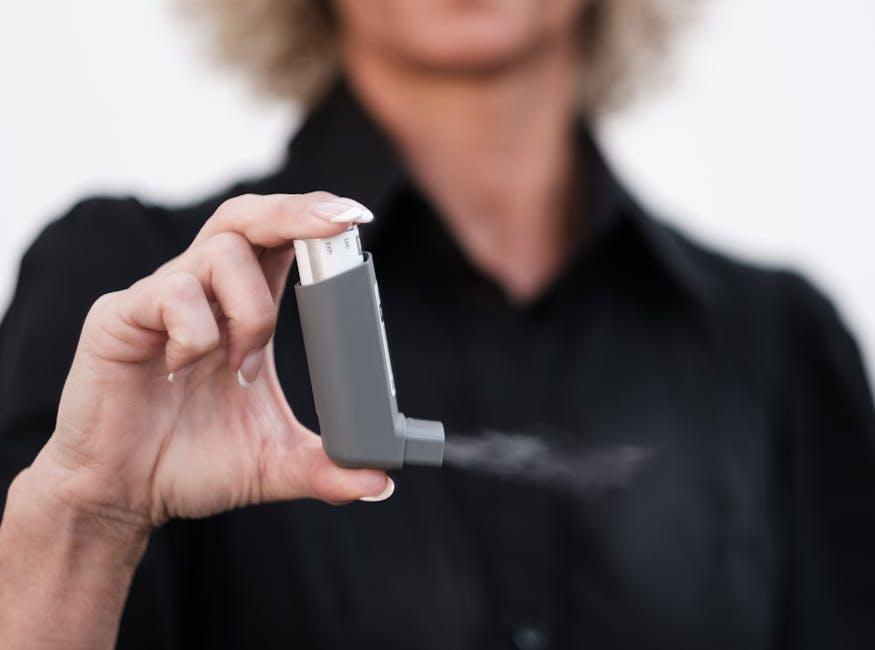

How to Manage Asthma Without Using a Rescue Inhaler Daily
Introduction
Asthma is a chronic respiratory condition that affects more than 260 million individuals globally, making it one of the world’s moast prevalent noncommunicable diseases [WHO]. Characterized by airway inflammation, bronchial hyperresponsiveness, and episodic airflow obstruction, asthma can substantially impact quality of life, increase hospitalization rates, and contribute to excess morbidity if not properly managed.For many, reliance on a rescue inhaler — typically a short-acting beta-agonist (SABA) like albuterol — is a hallmark of disease instability rather than effective control [CDC]. Daily dependency on such medications can signal underlying problems with preventive strategies and long-term management.
This extensive resource explores evidence-based, holistic approaches to managing asthma that minimize the need for daily rescue inhaler use. Leveraging current clinical guidelines and the latest peer-reviewed research, we will examine ways to achieve optimal asthma control, improve prognosis, and reduce emergency reliance on rescue medications through both pharmacological and non-pharmacological interventions.
Understanding Asthma Pathophysiology
Asthma is marked by chronic airway inflammation and reversible bronchoconstriction in response to various triggers. The pathophysiology revolves around immune-mediated processes involving mast cells, eosinophils, T-lymphocytes, and mediators such as histamine and leukotrienes [NCBI]. Key features include:
- Bronchial Hyperreactivity: Overactive smooth muscle response leads to narrowed airways.
- airway Inflammation: Persistent inflammation damages airway lining, causing symptoms such as wheezing, coughing, and shortness of breath.
- Mucus Production: Increased mucus can further obstruct airflow.
Recognizing these mechanisms is crucial for understanding the rationale behind long-term and preventive treatment strategies.
Why Reducing Rescue Inhaler Reliance is Critically important
Frequent or daily use of rescue inhalers indicates suboptimal asthma control, risking more frequent exacerbations, accelerated decline in lung function, and even increased mortality [NIH]. Over-reliance may mask worsening symptoms, delay guideline-appropriate therapy, and expose patients to unnecessary side effects such as tachycardia, tremor, and hypokalemia.
Effective asthma management focuses on maintaining stability and preventing acute attacks. evidence indicates that the less often a patient needs their rescue inhaler, the better their long-term prognosis [JAMA]. Reducing daily use ultimately minimizes disruption to daily activities, absenteeism, healthcare costs, and hospitalizations.
Key Components of Optimal Asthma Management
1. Asthma phenotyping and Personalized Treatment Plans
Asthma presents with diverse phenotypes, including allergic, nonallergic, eosinophilic, and exercise-induced varieties [The Lancet]. Identifying the specific phenotype using clinical history, pulmonary function tests, and biomarkers (e.g., FeNO, blood eosinophils) allows for tailored interventions. Personalized asthma action plans, co-developed with healthcare providers, are associated with improved symptom control and reduced rescue inhaler use [NHLBI].
2.Stepwise Pharmacological therapy
Current guidelines,such as those from NHLBI and GINA, recommend a stepwise approach tailored to symptom severity and frequency:
- Controller Medications: Inhaled corticosteroids (ICS), long-acting beta-agonists (LABA), leukotriene receptor antagonists (LTRA), and biologics (for severe asthma) are foundational for long-term control.
- Rescue Medications: Short-acting beta-agonists (SABA) provide rapid relief but should not be used as the primary means of control.
- Smart Inhalers: technology-assisted delivery for monitoring dosage and adherence can further improve outcomes [NIH PMC].
Proper pharmacological optimization reduces both overall and daily reliance on rescue inhalers and improves long-term patient adherence and satisfaction [mayo Clinic].
3. Non-Pharmacological Interventions
Non-pharmacological strategies substantially contribute to asthma control, supporting or even reducing the need for medication in certain specific cases:
- Trigger Avoidance: Identifying and mitigating exposure to respiratory irritants (e.g., pollen, dust mites, pet dander, smoke) is foundational [CDC].
- Environmental Controls: High-efficiency particulate air (HEPA) filters, mite-proof bedding, and air purifiers can decrease in-home allergens [NIH PMC].
- healthy Lifestyle: Regular exercise, weight management, and smoke-free environments enhance pulmonary resilience [NHS].
- Breathing Techniques: Practices like buteyko breathing and inspiratory muscle training can reduce symptoms and improve quality of life [Harvard Health].
Environmental and behavioral modifications should be integrated with medical therapy as part of comprehensive disease management.
Asthma Control: Evidence-Based Metrics
Assessing asthma control involves evaluating symptoms, functional status, and frequency of reliever medication use. The use of validated tools such as the Asthma Control Test (ACT) allows both clinicians and patients to monitor progress objectively [NIH PMC]. Key control criteria include:
- Symptoms <2 days per week
- No nocturnal awakenings due to asthma
- Minimal interference with daily activities
- Rescue inhaler use <2 days per week
- Normal or near-normal lung function
Patients meeting these criteria are less likely to require daily use of rescue inhalers, experience fewer exacerbations, and enjoy improved health-related quality of life.
Stepwise Guide: How to Successfully Reduce Daily rescue Inhaler Dependence
1. Partner with a Healthcare Professional for Regular Reviews
Professional asthma reviews, recommended at least annually or more frequently for poorly controlled disease, are vital to ensure therapy remains individualized and effective [NHS]. During these reviews, your provider may:
- Update your personalized asthma action plan
- Adjust medication per current symptoms and peak flow readings
- Screen for comorbidities (allergic rhinitis, GERD, obesity, mental health)
- Reinforce correct inhaler technique
Staying engaged in proactive, scheduled care reduces the risk of uncontrolled symptoms and unnecessary reliance on reliever inhalers.
2. optimize Controller Medication Adherence
Poor adherence to prescribed controllers (especially ICS) is a leading risk factor for increased rescue inhaler use and asthma exacerbations [healthline]. Strategies for maximizing adherence include:
- Using reminders (apps, pillboxes, scheduled routines)
- Frequent education on the importance of daily preventer use
- Regular demonstration and reinforcement of correct inhaler technique [NIH PMC]
- Reviewing and addressing barriers (cost, side effects, misunderstanding)
By firmly integrating these habits, patients are less likely to face breakthrough symptoms.
3. Environmental Allergen and Irritant Reduction
For those with allergic asthma, environmental modification remains crucial [CDC]. Key steps include:
- Encase mattresses and pillows with allergy-proof covers
- Launder bedding weekly in hot water
- Maintain indoor humidity below 50%
- Use HEPA-filtered vacuums
- Eliminate sources of indoor smoke (cigarettes, candles, wood stoves)
Patients who reduce indoor allergen exposures often experience significant symptom betterment and less frequent need for rescue medication.
4. Lifestyle Optimization: Physical Activity and Weight Management
Obesity and sedentary lifestyles independently worsen asthma control and are associated with higher use of SABA inhalers [NIH PMC]. Evidence supports:
- Weight loss reduces inflammation and improves lung function
- Regular aerobic exercise (30 minutes most days) boosts respiratory endurance
- Structured pulmonary rehabilitation may be indicated for selected patients
Optimal physical conditioning lessens asthma symptom burden and reduces reliance on short-acting relief.
5. Smoking cessation and Avoidance of Secondhand Smoke
Exposure to tobacco and vaping products exacerbates airway inflammation, increases exacerbation frequency, and blunts the efficacy of inhaled corticosteroids [CDC]. Quitting smoking—combined with maintaining smoke-free homes and vehicles—is one of the most vital interventions to achieve sustained asthma control.
6. Managing Comorbidities
Common comorbidities impacting asthma include chronic rhinosinusitis, gastroesophageal reflux disease (GERD), anxiety, depression, and sleep apnea [NIH PMC]. Identifying and treating these conditions can diminish respiratory symptoms and minimize the apparent need for short-term reliever use.
7. Immunotherapy and Biologics for Severe or Allergic Asthma
For selected individuals with moderate-to-severe or allergic asthma, allergy immunotherapy (subcutaneous or sublingual) and biologic agents targeting specific inflammatory pathways (e.g., anti-IgE, anti-IL-5, anti-IL-4R) have revolutionized control strategies [NIH PMC].These treatments can:
- Substantially reduce exacerbation frequency
- Improve FEV1 lung function
- Decrease dependence on rescue medications
Shared decision-making with a specialist is essential before initiating these advanced therapies.
Insert Main Article Image

Breathing Techniques and Airway Clearance in Asthma Management
Specific breathing retraining programs, such as the Buteyko method and diaphragmatic breathing, have demonstrated efficacy in improving symptoms and reducing SABA use [Harvard Health]. airway clearance techniques (such as huff coughing) may also help certain phenotypes with excessive mucus production.
| Technique | description | Evidence/Benefits |
|---|---|---|
| Buteyko Breathing | Focuses on reduced breathing rate,breath-holding for longer periods | Decreases hyperventilation,improves quality of life,reduces SABA use [NIH PMC] |
| diaphragmatic Breathing | Strengthens respiratory muscles and optimizes airflow | Reduces dyspnea, enhances lung efficiency |
| Pursed-Lip Breathing | Improves expiratory time, prevents airway collapse | Lowers breathlessness, aids symptom control and relaxation |
Recognizing Red Flags and When to Escalate care
Even with optimal preventive strategies, it is crucial to recognize symptoms signaling uncontrolled or severe asthma. Immediate medical attention is warranted in the event of:
- Rapidly increasing breathlessness or chest tightness
- Blue lips or fingernails (cyanosis)
- Peak expiratory flow <50% of personal best
- inability to speak full sentences
In such situations, prompt administration of a rescue inhaler and escalation to urgent medical care are non-negotiable [MedlinePlus].
Asthma action Plan: The Blueprint for patient Success
An individualized, written asthma action plan remains one of the strongest predictors of disease stability and reduced hospitalizations [JAMA]. Plans should cover:
- Daily controller usage and correct dosing
- Recognition and self-management of worsening symptoms
- Instructions for medication escalation or de-escalation
- Clear guidance for when to seek urgent care
Regularly reviewing the plan with a healthcare team ensures currency and fosters patient empowerment.
Frequently Asked Questions (FAQ)
can I ever stop using my rescue inhaler entirely?
Even with optimal control, a rescue inhaler should always be available for emergency use. The goal is to minimize—never eliminate—its use unless advised or else by a qualified practitioner [AAFA].
Is it risky to use my rescue inhaler every day?
Daily use signals poorly controlled asthma and warrants prompt medical reassessment to optimize therapy [Mayo Clinic].
Are natural therapies (e.g., dietary supplements) effective for asthma control?
Most supplements lack robust, consistent evidence compared to guideline-based pharmacotherapy.Always consult your provider before trying complementary therapies.
What role does mental health play in asthma control?
Anxiety,depression,and stress can exacerbate symptoms and impede self-management. Integrated behavioral health interventions are strongly recommended [NIH PMC].
Conclusion
Managing asthma effectively without daily reliance on a rescue inhaler is both achievable and preferable for most patients. By proactively addressing underlying inflammation, optimizing controller therapy, minimizing allergen/irritant exposures, and fostering healthy behaviors, individuals can substantially reduce both symptoms and complication risks. Regular collaboration with qualified healthcare professionals,personalized action plans,and patient education form the cornerstone of sustained asthma control. As research evolves, new therapeutics such as biologics offer additional hope for those with severe, refractory disease.
Asthma is a lifelong condition that requires ongoing vigilance and partnership. Individuals are encouraged to seek up-to-date,evidence-based care and remain active participants in their therapy for the best possible outcomes.
References
- WHO: Asthma
- CDC: Asthma Data
- NCBI: asthma Pathophysiology
- NHLBI: Asthma Overview
- Mayo Clinic: Asthma Treatment
- JAMA: Asthma and Prognosis
- Harvard Health: Breathing for Asthma
- CDC: Tobacco and Asthma
- AAAAI: Action Plans
- Healthline: Medication Adherence
- NIH PMC: Buteyko Breathing in Asthma
- NIH PMC: Inhaler Technique
- NHS: Living with Asthma