

How to Manage Digestive Issues Caused by Stress
Introduction
Digestive issues are among the most common health complaints in modern society, affecting quality of life and overall well-being. A meaningful body of emerging research and epidemiological data demonstrates a strong link between psychological stress and gastrointestinal disturbances, making this a crucial topic for healthcare professionals and the general public alike. According to the Centers for Disease Control and Prevention (CDC), stress is a ubiquitous experience that can have profound physiological consequences, notably on the digestive system. Understanding the relationship between stress and digestive health is essential for effective management, prevention strategies, and optimal patient care.
Understanding Digestive Issues Induced by Stress
the Gut-Brain Axis: A Bi-Directional Pathway
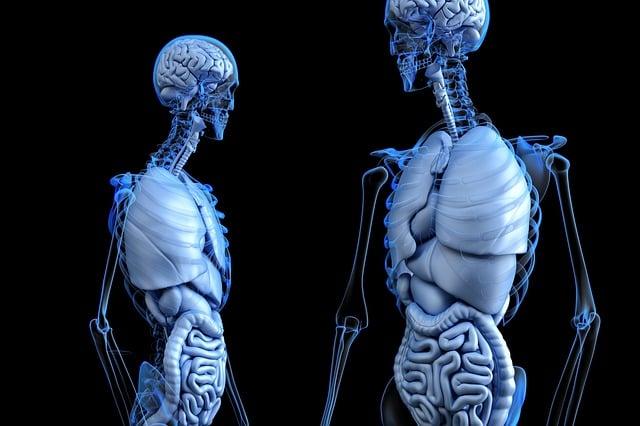
The gut-brain axis is a complex dialog network that closely links the central nervous system (CNS) with the gastrointestinal (GI) tract. This connection is mediated through neural, hormonal, and immunological pathways, allowing stress to influence digestive function and vice versa. disruption of this axis can result in a range of functional gastrointestinal disorders (fgids), including Irritable Bowel Syndrome (IBS) and functional dyspepsia.
Pathophysiology: How Stress impacts Digestive Function
Acute and chronic psychological stress triggers the hypothalamic-pituitary-adrenal (HPA) axis, resulting in elevated levels of cortisol and other stress hormones. These hormones exert several effects on the gut:
- Altered Motility: stress can accelerate or slow intestinal transit, leading to symptoms such as diarrhea or constipation (Mayo Clinic).
- Hypersensitivity: Heightened visceral sensitivity is a hallmark of stress-related GI symptoms, which can exacerbate pain and discomfort (NCBI).
- Microbiome Imbalance: Stress shifts the composition of gut microbiota, impacting immune defense and digestive processes (NCBI).
- Immune Modulation: Chronic stress promotes inflammation and impairs gut barrier function, increasing susceptibility to GI disorders (NCBI).
Epidemiology and Public Health Impact
Functional gastrointestinal disorders linked to stress, such as IBS, affect up to 15% of the global population, with higher prevalence noted in industrialized nations (WHO). Stress-induced digestive concerns are also a leading cause of outpatient visits and contribute considerably to healthcare burden worldwide.
Common Digestive Problems Triggered or Exacerbated by Stress
-
Irritable Bowel syndrome (IBS):
Characterized by abdominal pain, bloating, diarrhea, and/or constipation; stress is a documented precipitant (AGA GI Patient Center).
-
Functional Dyspepsia:
Non-ulcer indigestion with symptoms including epigastric pain and fullness, often triggered by psychological factors (Mayo Clinic).
-
Gastroesophageal reflux Disease (GERD):
Symptoms of heartburn and regurgitation may worsen during periods of stress (Clinical gastroenterology and Hepatology).
-
Peptic Ulcers:
Chronic stress may contribute to ulcer development or exacerbate symptoms (CDC).
-
Exacerbation of Inflammatory Bowel Disease (IBD):
Stress does not cause IBD but can aggravate symptoms in those diagnosed (Crohn’s & Colitis Foundation).
Recognizing the Signs and Symptoms of Stress-related GI Distress
The presentation of digestive issues due to stress varies, but common symptoms include:
- Abdominal pain or cramping
- Bloating or distension
- Nausea or queasiness
- Diarrhea, constipation, or alternating bowel habits
- Loss of appetite or early satiety
- Heartburn or acid reflux
It is vital to differentiate between functional symptoms and red flag signs—such as gastrointestinal bleeding, unintentional weight loss, persistent vomiting, or anemia—which warrant urgent medical evaluation (Mayo Clinic).
The Diagnostic Process for Stress-Related Digestive Issues
diagnosis relies on a combination of detailed symptom assessment, thorough medical history, and targeted investigations if warranted. Healthcare providers should employ validated diagnostic criteria, such as the Rome IV Criteria for functional gastrointestinal disorders.
- Clinical Interview and Psychosocial Assessment: Gathering information about psychological stressors, lifestyle, and social support is crucial (NCBI).
- Physical Examination and Basic Laboratory Investigations: Rule out organic causes such as infections or inflammatory disease (NHS UK).
- Specialized Diagnostic Procedures: In refractory or unexplained cases,further workup—such as colonoscopy,upper endoscopy,or imaging—might potentially be considered.
Integrating a biopsychosocial approach provides a holistic view for diagnosis and management (Harvard Health).

Complete Management Strategies
1. Evidence-Based Stress Reduction Techniques
Reducing stress through validated methods can mitigate GI symptoms and improve quality of life:
-
Cognitive Behavioral Therapy (CBT):
Robust randomized controlled trials support CBT’s efficacy in reducing both psychological distress and GI symptomatology, especially in IBS (JAMA).
-
Mindfulness-Based Stress Reduction (MBSR):
MBSR programs, often incorporating meditation and yoga, show measurable benefits in reducing GI distress and perceived stress (NCBI).
-
Biofeedback and Relaxation Training:
Techniques such as diaphragmatic breathing and progressive muscle relaxation help regulate autonomic outflow to the gut (Harvard Health).
-
Physical Activity:
Regular, moderate exercise reduces stress and supports gut motility; guidelines recommend at least 150 minutes of moderate exercise per week (CDC).
2. Diet and Nutrition Interventions
Nutritional modification is a key adjunct to stress management for digestive complaints:
-
Low FODMAP Diet:
this specialized diet limits fermentable oligo-,di-,mono-saccharides,and polyols,and is effective for many with stress-associated IBS (Medical News Today).
-
Probiotics and Prebiotics:
Supplementation can help restore gut microbial balance altered by stress, though formulation and strain-specific evidence varies (Mayo Clinic).
-
Regular Eating Patterns:
Scheduled meals and mindful eating practices promote better gut motility and reduce stress-related overeating (Harvard Health).
-
avoiding Trigger Foods:
High-fat, spicy, or caffeinated foods may aggravate stress-related digestive symptoms in susceptible individuals.
Consultation with a registered dietitian or specialist in gastroenterology is beneficial for individualized dietary planning.
3. Pharmacological & Medical Management
For moderate to severe cases, medical therapies may be warranted:
-
Antispasmodics and Antidiarrheals:
For acute GI cramps and diarrhea, medications like dicyclomine or loperamide may be useful (Mayo Clinic).
-
Laxatives:
Stimulant or osmotic laxatives may be advised in cases of stress-related constipation, guided by a healthcare provider.
-
Proton Pump Inhibitors (PPIs):
For stress-aggravated GERD or dyspepsia, short-term use of PPIs may be indicated under medical supervision.
-
Antidepressants (SSRIs, TCAs):
Low-dose antidepressants can benefit those with co-morbid anxiety/depression and moderate to severe GI symptoms (NCBI).
it is indeed essential to ensure medications are prescribed as part of a comprehensive, individualized treatment protocol.
4. The Importance of Professional Support
Timely referral to a gastroenterologist, psychologist, or psychiatrist is warranted for complex, refractory, or co-morbid cases. Collaborative care and multidisciplinary management improve both GI and mental health outcomes (NCBI).
5. Lifestyle and Behavioral Modifications
Simple daily habits can significantly impact stress and digestive health:
- Sleep Hygiene: Poor sleep increases stress response and GI dysfunction; aim for 7–9 hours nightly (CDC).
- Hydration: Adequate fluid intake aids digestion and may prevent constipation (Healthline).
- Alcohol and Tobacco Cessation: Both substances exacerbate GI symptoms and are known stressors (WHO).
- Social connection: Strong social support networks buffer psychological stress and its GI consequences (CDC).
self-help and At-Home Strategies
While medical guidance is essential, these evidence-informed self-help tools can also offer symptom relief:
- Guided imagery, meditation, and breathing exercises (see resources from Mindful.org)
- Journaling to identify and process stressors and symptom triggers
- Time management and pacing to prevent becoming overwhelmed
- Engagement in hobbies and enjoyable activities to enhance resilience
Self-monitoring apps and cognitive behavioral tools can also supplement conventional interventions (The Lancet Digital Health).
Prevention: Building Long-Term Resilience Against Stress-Related GI Problems
Prevention strategies should focus on addressing both the sources of stress and supporting gut health proactively. Key interventions include:
- Routine physical activity and stress reduction practices
- Balanced,anti-inflammatory diet rich in fiber,fruits,vegetables,and whole grains
- Early identification and management of psychological distress through screening and counseling
- Health education and awareness to reduce stigma around mental health and GI disease
Health systems should foster integrated care pathways to optimize both mental and digestive health outcomes (NCBI).
When to Seek Medical Advice
Some symptoms may signal more serious underlying pathology, necessitating timely consultation:
- Persistent vomiting or diarrhea
- Blood in stool or vomit
- Unintentional weight loss
- Severe abdominal pain or tenderness
- fever or signs of infection
Early intervention can improve outcomes and prevent long-term complications (NHS UK).
Future Directions and Ongoing Research
Continued inquiry into the mechanisms of the gut-brain axis, microbiome research, and development of novel psychobiotics promise to enhance management options for stress-related digestive disorders. Patient-centric, precision medicine approaches integrating psychological, nutritional, and pharmacologic modalities are the focus of ongoing clinical trials (ClinicalTrials.gov).
Conclusion
Digestive issues caused by stress are a growing concern, underscored by complex psychophysiological mechanisms and significant public health impact.Effective management is multi-modal—addressing both mind and body through stress reduction,dietary and lifestyle modification,medical treatment,and professional support. By understanding the underlying mechanisms and embracing evidence-based strategies,individuals and clinicians can collaboratively promote gastrointestinal health and overall well-being.
Frequently Asked Questions (FAQs)
1. Can stress alone cause serious digestive diseases?
While stress is a major contributor to functional GI disorders,it is less likely to be the sole cause of structural diseases like peptic ulcers or IBD,but can exacerbate symptoms in those with preexisting conditions (Mayo Clinic).
2. What is the best first step if I notice stress is impacting my digestion?
Begin with self-monitoring, stress management, dietary adjustments, and consult a healthcare provider for a comprehensive assessment if symptoms persist or worsen.
3. Are probiotics effective for stress-related digestive issues?
certain probiotic strains have demonstrated benefit for symptoms of IBS and stress-related dysbiosis but results can be highly individualized (Mayo Clinic).
4. Should I avoid exercise if I am experiencing GI symptoms?
most moderate exercise is beneficial unless otherwise contraindicated; always individualize based on symptom severity and medical advice (CDC).
5. How long do stress-related GI symptoms last?
Duration varies; acute symptoms may resolve with effective stress management, while chronic conditions require sustained, multifaceted treatment (Healthline).
References and Resources
- CDC: Coping with Stress
- NIDDK: Digestive Diseases
- WHO: Digestive Diseases
- NCBI: PubMed Database
- Harvard Health: Digestive Health