

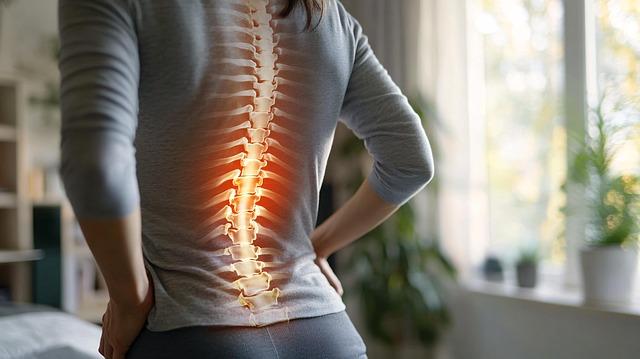
8 signs your lower back pain needs medical attention
Introduction
Lower back pain is among the most common musculoskeletal complaints worldwide,affecting people of all ages and walks of life. The World Health Organization (WHO) estimates that approximately 619 million people globally suffered from lower back pain in 2020, making it the leading cause of disability.In the United States, low back pain ranks as the top cause of years lived with disability, impacting workplace productivity and quality of life, according to the Centers for Disease Control and prevention (CDC). While most cases of lower back pain are self-limited and resolve with conservative management, some warning signs should never be ignored. Recognizing ”8 signs your lower back pain needs medical attention” is crucial for timely intervention, proper treatment, and prevention of irreversible complications or chronic pain syndromes.
Overview and Definition
Clinically, lower back pain (LBP) refers to discomfort localized below the costal margin and above the inferior gluteal folds, with or without leg pain (sciatica). LBP can be classified as:
- Acute: Lasting less than 6 weeks
- Subacute: Lasting 6–12 weeks
- Chronic: Lasting more than 12 weeks
It might potentially be further categorized as non-specific (mechanical), radicular (nerve root involvement), or due to specific underlying pathology such as infection or malignancy. The lower back, or lumbar region, supports much of the body’s weight and is prone to musculoskeletal stress, degenerative changes, and injury.
According to NIH research, around 60–80% of adults experience lower back pain at some point in thier lives. The high prevalence highlights the necessity of distinguishing benign cases from those requiring urgent medical evaluation.
Causes and Risk Factors
Understanding the underlying causes and risk factors of lower back pain is essential for effective diagnosis and treatment. multiple physiologic, environmental, genetic, and lifestyle elements may contribute:
- Muscle or Ligament Strain: Sudden movements, lifting heavy objects, or repetitive use can strain the lumbar musculature.Micro-tears and inflammation are common mechanisms (Mayo Clinic).
- Degenerative Disc Disease: Age-related changes can cause discs to lose hydration and elasticity, leading to spinal instability or nerve irritation (Harvard Health).
- Herniated Disc: The protrusion of disc material can compress adjacent nerves, resulting in pain, weakness, or numbness.
- Spinal Stenosis: Narrowing of the spinal canal,often due to arthritis or bone overgrowth,can exert pressure on the spinal cord and nerve roots.
- Inflammatory Disorders: Conditions such as ankylosing spondylitis can effect the sacroiliac joints, causing chronic inflammatory pain.
- infection and Malignancy: rare but serious causes include spinal osteomyelitis, epidural abscess, or metastatic tumors (NIH Bookshelf).
- Obesity, Sedentary Lifestyle, and Smoking: These factors can accelerate degenerative spinal changes and impair healing.
- Occupational and Mechanical Factors: Manual laborers, drivers, and those with poor ure or ergonomics have increased risk (CDC).

Why It’s Critical Not to Ignore Warning Signs
While most lower back pain resolves with rest, physical therapy, and nonsteroidal anti-inflammatory drugs (NSAIDs), some signs are red flags signaling serious pathology. Ignoring these symptoms can lead to irreversible nerve damage, chronic disability, or even life-threatening conditions. Evidence-based guidelines, such as those from the National Institute for Health and Care Excellence (NICE) and Choosing Wisely, highlight the importance of early detection and intervention.
8 Signs Your Lower back Pain Needs Medical Attention
The following are eight scientifically validated signs that indicate the need for prompt evaluation by a healthcare professional. Each sign is contextualized with clinical insight and supported by reputable medical sources.
1. Severe or Unrelenting Pain unresponsive to Rest or Medication
Pain that is severe, persistent, and not relieved by typical measures (rest, NSAIDs, physical therapy) may signal a more serious underlying condition. Possible causes include fractures, malignancy, or infection; identifying the source is crucial for preventing progression. Persistent or progressive pain is associated with worse prognosis and warrants diagnostic imaging or specialist referral (Mayo Clinic).
2. Neurological Symptoms: numbness, Weakness, or Tingling
Symptoms such as numbness, weakness, or tingling (paresthesia) in the legs, feet, or buttocks suggest possible nerve root or spinal cord involvement. This could be due to herniated discs, spinal stenosis, or cauda equina syndrome—a surgical emergency. Timely intervention minimizes the risk of permanent neurological deficits (Harvard Health).
3. Loss of Bladder or Bowel Control (Incontinence)
sudden difficulty controlling urination or defecation, or loss of sensation in the groin (“saddle anesthesia”), may indicate cauda equina syndrome. This rare but serious condition requires urgent surgical decompression to prevent permanent paralysis and incontinence (NHS UK).
4. History of Trauma, Especially in Older Adults
Recent falls, accidents, or injuries are especially concerning for vertebral compression fractures in older adults or those with osteoporosis. Diagnostic imaging such as X-ray or MRI might potentially be indicated to rule out spinal instability or other injuries (NIH PubMed Central).
5. Unexplained fever, Chills, or recent Infections
The presence of systemic symptoms such as fever, chills, night sweats, or a recent bacterial infection raises suspicion for spinal infections (osteomyelitis, epidural abscess). These conditions can progress rapidly and require prompt antibiotic therapy and, in some cases, surgical intervention (Mayo Clinic).
6. Unintentional Weight Loss or History of Cancer
Lower back pain accompanied by unexplained weight loss or a history of cancer may indicate metastatic disease involving the spine. Malignancies commonly spread to bone and may cause vertebral collapse or spinal cord compression (National Cancer Institute – NCI).
7. Pain at Night or While Resting
Pain that worsens at night or is unrelieved by rest is considered a red flag. It raises concern for malignant, infectious, or inflammatory etiologies rather than benign mechanical causes. Extensive literature underscores the need for further assessment in such scenarios (NICE Guidelines).
8. Age Considerations: Under 18 or Over 50 with New Onset Pain
New or worsening lower back pain at extremes of age (<18 or >50 years), especially without an obvious cause, requires thorough evaluation. In older adults, the likelihood of serious pathology—such as fractures, malignancy, or infection—increases substantially. In children or adolescents, back pain is rare and mandates examination for congenital, neoplastic, or inflammatory disorders (NIH Bookshelf).
Extensive table: Red Flag Symptoms and Their Implications
| Red Flag Symptom | Possible Underlying Condition | Recommended Action | Source |
|---|---|---|---|
| Unrelenting/persistent pain | Fracture, malignancy, infection | Urgent clinical assessment and imaging | NICE |
| Neurological symptoms | Herniated disc, spinal stenosis, cauda equina | Immediate medical evaluation | Harvard Health |
| Loss of bladder/bowel control | Cauda equina syndrome | Emergency referral (surgical) | NIH |
| Recent trauma | Vertebral fracture | Imaging and urgent assessment | NIH |
| Fever/chills | Spinal infection | Prompt diagnostic workup | Mayo Clinic |
| Unintentional weight loss | Spinal metastasis, malignancy | Investigate for cancer | NCI |
| Pain at rest/night | Infection, tumor, inflammatory disease | Further assessment and imaging | NICE |
| Under 18 or over 50 with new pain | Infection, cancer, fracture, congenital disease | Comprehensive diagnostic evaluation | NIH |
When and How to Seek Medical Help
If any of the above warning signs are present,contact your healthcare provider without delay. If symptoms are acute or severe, present to an urgent care center or emergency department. When discussing lower back pain with your doctor,be prepared to describe:
- The onset,nature,and duration of your pain
- Associated symptoms (weakness,numbness,fever,weight loss,incontinence,etc.)
- Any recent injuries, illnesses, or relevant past medical history
A thorough clinical assessment, including neurological examination and focused imaging when warranted, is critical for determining the correct diagnosis and appropriate treatment (Mayo Clinic).
Diagnostic Approach: Clinical Insight
Upon presentation, evaluation should be guided by comprehensive clinical guidelines, with emphasis on identifying red flag symptoms. Key steps may include:
- Detailed history and physical examination
- Neurologic testing
- Laboratory studies (CBC, ESR, CRP if infection or malignancy suspected)
- Imaging as indicated: X-ray, MRI for suspected neurological involvement, CT if bony structures need detailed assessment
The diagnostic strategy is tailored to the presenting symptoms and risk factors. Early diagnosis and management of serious underlying causes improves outcomes and reduces morbidity (NIH).
Evidence-Based Treatments and Management Options
Management of lower back pain depends on the underlying etiology. For non-specific pain without red flags, initial approaches include:
- Analgesics: NSAIDs, acetaminophen (CDC)
- Physical therapy and exercise programs (Harvard Health)
- Activity modification
- Heat or cold therapy
If a specific or serious cause is identified (infection, malignancy, acute neurological compromise), targeted therapies are mandated:
- Antibiotics for spinal infection
- Surgical intervention for compression, instability, or cauda equina syndrome
- Oncologic therapy for malignancy
Chronic pain management may incorporate multidisciplinary approaches, including cognitive-behavioral therapy, pain specialists, and spine interventions (NIH PubMed Central). Personalized care is essential for optimal outcomes.
Prognosis and Prevention Strategies
the prognosis for lower back pain is excellent for most individuals with non-specific etiologies; 90% of episodes resolve within six weeks (NHS UK). The presence of any of the warning signs described, however, is associated with an elevated risk of persistent pain, disability, or serious complications if untreated. Preventive strategies include:
- Regular physical activity and core strengthening
- Maintaining healthy body weight
- Proper lifting techniques and ergonomic adjustments
- Avoidance of smoking and excessive alcohol consumption
Educating the population and clinicians on early identification of red flags can significantly reduce the global burden of disability due to lower back pain (WHO).
Frequently Asked Questions
- 1.When should I worry about lower back pain?
- You should seek medical attention if you experience severe, persistent pain, neurological symptoms (numbness, weakness, incontinence), fever, weight loss, or have a history of cancer or trauma (Mayo clinic).
- 2.How is lower back pain diagnosed?
- Diagnosis begins with history and physical exam, progressing to laboratory studies or imaging (X-rays, MRI, or CT) if red flags are noted (NIH).
- 3. Is bed rest recommended for acute lower back pain?
- Prolonged bed rest is not recommended. early mobilization with activity as tolerated is associated with faster recovery (Harvard Health).
- 4. What treatments are available for chronic lower back pain?
- Treatment may include physical therapy, pain management, lifestyle modification, and sometimes interventional procedures under specialist care (NHS UK).
Conclusion
lower back pain is a prevalent yet complex condition with a broad spectrum of causes and outcomes. Recognizing the ”8 signs your lower back pain needs medical attention” can facilitate early diagnosis of serious conditions, prevent long-term disability, and ensure appropriate care. Public and professional education remain essential in combating the global impact of lower back pain—a key challenge for modern healthcare systems. Seek timely medical evaluation for any of the red flags outlined above. For further information, consult reliable resources such as the NIH PubMed, CDC, and WHO.
References
- World Health Organization: Musculoskeletal Conditions
- CDC Data Brief: Prevalence of Low Back Pain
- NIH PubMed Central: Epidemiology and Outcomes of LBP
- Mayo Clinic: Back Pain Causes
- Harvard Health: The Lowdown on Low Back Pain
- NHS UK: Back Pain
- NIH Bookshelf: Pediatric Back Pain
- National Cancer Institute: Metastatic Cancer
- NIH Bookshelf: Cauda Equina Syndrome
- Mayo Clinic: Osteomyelitis