

Introduction
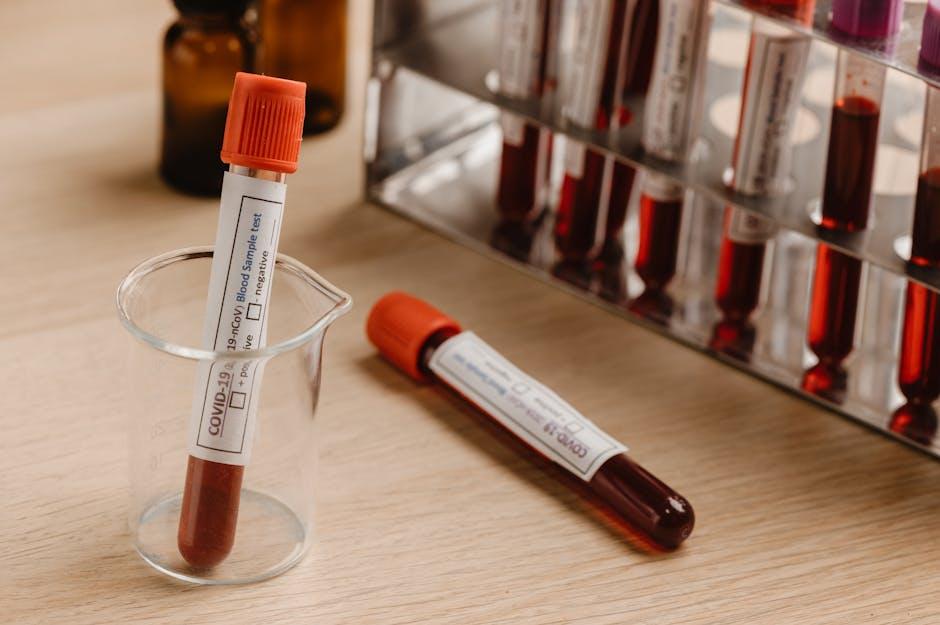
Routine blood testing is an integral component of safe, effective medication management. Many commonly prescribed medications—ranging from anticoagulants to antineoplastics—require regular monitoring through blood tests to ensure efficacy, detect side effects early, and prevent possibly life-threatening complications. This practice is essential not only for maintaining patient safety but also for optimizing therapeutic outcomes in diverse clinical contexts.As drug regimens become increasingly complex, understanding which medications require blood tests and the rationale behind this monitoring is crucial for healthcare providers, patients, and caregivers alike.
According to recent data from the Centers for Disease Control and Prevention (CDC), over half of Americans use prescription medications regularly.A meaningful proportion of these drugs necessitate laboratory surveillance due to their narrow therapeutic indices, potential toxicity, and impact on vital organ systems.This article explores, in detail, the medications that most commonly require blood tests, the scientific rationale for each, the essential laboratory parameters monitored, and the clinical implications of abnormal test results.
Why Do Certain Medications Require Blood Tests?
Pharmacologic treatments often exert systemic effects, with variances in absorption, metabolism, and elimination influenced by genetic, physiological, and pathological factors. Blood monitoring is typically warranted for medications that:
- Have a narrow therapeutic index,where the margin between therapeutic and toxic doses is small (e.g., warfarin, lithium).
- Are associated with significant adverse effects impacting organs such as the liver, kidneys, or bone marrow.
- Require dose adjustment based on patient-specific metabolic capacity (e.g., immunosuppressants, antiepileptics).
- Risk causing hematological abnormalities (e.g., agranulocytosis, thrombocytopenia).
- Interact considerably with other medications or disease states, necessitating periodic monitoring for safety and efficacy.
Close laboratory surveillance allows for early detection of toxicity, drug interactions, therapeutic failure, and the timely adjustment of therapy to ensure optimal patient outcomes. Learn more about blood tests and their purposes at mayo Clinic.
Major Classes of Medications Requiring Routine Blood Monitoring
Below, we delve into specific medication classes that commonly necessitate regular blood tests, along with the scientific rationale and typical laboratory parameters assessed.
1. Anticoagulants and Antiplatelet Agents
Anticoagulants and antiplatelet drugs are used to prevent thromboembolic events in conditions such as atrial fibrillation, deep vein thrombosis, and prosthetic heart valves. However, these drugs can increase the risk of bleeding complications. Routine blood tests are essential to ensure the balance between clot prevention and bleeding risk.
- Warfarin (Coumadin): Requires regular prothrombin time/international normalized ratio (PT/INR) testing to ensure the dose remains within the therapeutic range. Subtherapeutic levels increase thrombotic risk, while supratherapeutic levels heighten bleeding risk.
- Heparin: Monitored with the activated partial thromboplastin time (aPTT) test, especially for unfractionated heparin. This is crucial due to the variable response and risk of heparin-induced thrombocytopenia (HIT).
- Direct Oral Anticoagulants (DOACs) (e.g., dabigatran, rivaroxaban): Although they generally require less frequent testing than warfarin, renal function (via serum creatinine and eGFR) should be monitored due to renal excretion pathways, as advised by the JAMA Guide.
Monitoring also includes periodic complete blood counts (CBC) to check for anemia or other blood cell abnormalities, especially in cases of overt or occult bleeding.
2. Antiepileptic drugs (AEDs)
Antiepileptic medications are vital in controlling seizure disorders, but many exhibit a narrow therapeutic window and variable pharmacokinetics. Blood tests are crucial for dose optimization and minimizing toxicity.
- Phenytoin, Carbamazepine, and Valproic Acid: Periodic measurement of serum drug concentrations is necessary to avoid toxicity and ensure therapeutic levels. side effects from supratherapeutic levels may include ataxia, hepatotoxicity, and hematological abnormalities (NHS: Phenytoin).
- Liver and Renal Function Tests: Many AEDs are hepatically or renally cleared, necessitating liver function tests (LFTs) and renal function tests to preempt organ failure.
Routine hematological monitoring is recommended due to the risk of pancytopenia and agranulocytosis for certain drugs such as carbamazepine.
3. Antineoplastic (Chemotherapy) Agents
Cancer chemotherapies are typically cytotoxic, affecting both malignant and healthy rapidly dividing cells, especially those in the bone marrow, GI tract, and hair follicles. The margin between therapeutic benefit and harmful toxicity is frequently enough narrow.
- CBCs: Neutropenia, anemia, and thrombocytopenia are common adverse effects requiring regular CBC to assess treatment safety (National Cancer Institute: chemotherapy Side Effects).
- Liver and Kidney Function Tests: Many chemotherapeutic drugs are hepatotoxic or nephrotoxic, necessitating regular monitoring of transaminases, bilirubin, and creatinine (American Cancer Society: Liver Problems and Cancer Treatment).
Dose modifications or treatment holds are made based on these laboratory results to minimize life-threatening toxicity and maximize anti-tumor efficacy.
4. Immunosuppressants
These medications are used in autoimmune diseases and after organ transplantation to prevent rejection. However, they increase susceptibility to infection and organ toxicity, necessitating vigilant laboratory monitoring.
- Ciclosporin, Tacrolimus, Sirolimus: Require periodic blood level monitoring to avoid nephrotoxicity, neurotoxicity, and risk of acute organ rejection.
- Azathioprine, Methotrexate, Mycophenolate: Can cause cytopenias and hepatotoxicity. Regular CBC and lfts are mandatory.
Additionally, clinicians screen for infectious markers and monitor renal function throughout treatment courses (NCBI Bookshelf: Immunosuppressants).
5.Thyroid Medications
thyroid hormone replacement (e.g.,levothyroxine) and antithyroid medications (e.g., methimazole, propylthiouracil) require regular blood tests to guide dosing and minimize risks.
- Thyroid Function Tests (TFTs): Measurement of TSH, free T4, and T3 is key to ensuring euthyroid status (American Thyroid Association).
- CBC: Antithyroid drugs are associated with agranulocytosis, a rare but serious condition necessitating CBC monitoring.
- Liver Function Tests: Some agents may cause hepatotoxicity, underlining the importance of regular hepatic monitoring.

Regular blood testing helps optimize drug safety and therapeutic outcomes for many conditions.
6. Psychotropic Medications
Psychiatric drugs—such as lithium, clozapine, and some anticonvulsants—necessitate blood tests due to unique and sometimes risky side effects.
- Lithium: Has a narrow therapeutic window,and toxicity can cause neurological impairment,renal failure,and arrhythmias. Regular serum concentration monitoring and renal/thyroid function tests are vital (NIMH: Medications for Bipolar Disorder).
- Clozapine: An atypical antipsychotic indicated for refractory schizophrenia, carries a risk of potentially fatal agranulocytosis. Regular absolute neutrophil count (ANC) monitoring is required, as outlined by the FDA.
- Other Antipsychotics: Many psychotropics require metabolic and hepatic monitoring due to their impact on weight, glucose, cholesterol, and liver enzymes.
7. Antiretroviral Therapy (ART) for HIV
Patients receiving antiretrovirals undergo routine blood testing to monitor viral load, immune status (CD4 count), and drug toxicity.
- Liver and Renal Function Tests: Some agents, such as tenofovir and protease inhibitors, may cause nephrotoxicity and hepatotoxicity (CDC: Lab Tests and Monitoring for People with HIV).
- Blood glucose and lipid panels: Long-term ART can perturb metabolic parameters, increasing cardiovascular risk (NIH: Metabolic Changes Caused by HIV and ART).
- Hematological indices: ART may cause cytopenias, especially with zidovudine and similar agents.
8. Disease-Modifying Antirheumatic Drugs (DMARDs)
Rheumatologic diseases such as rheumatoid arthritis and systemic lupus erythematosus are often managed with DMARDs, which carry risks for bone marrow suppression, hepatotoxicity, and infection.
- Methotrexate, Leflunomide, Sulfasalazine, Hydroxychloroquine: Require regular CBC, LFT, and renal function checks to monitor for cytopenias and liver injury (NHS: Methotrexate).
Ophthalmologic exams are also indicated with hydroxychloroquine due to the risk of retinopathy.
9. Statins and Other Lipid-Lowering Agents
Though generally safe, statins can, in rare cases, cause hepatotoxicity and myopathy, thus requiring baseline and periodic monitoring.
- Liver Function Tests: To screen for transaminitis and rare cases of acute liver failure (AHA: Statin Side Effects).
- Creatine Kinase (CK): Assessed if myalgia or muscle weakness develops, indicative of statin-associated myopathy.
10. oral Hypoglycemic Agents (for Diabetes)
most oral diabetes medications do not require serum level checks, but regular monitoring of glycemic control and organ function is imperative.
- Metformin: Carries a risk of lactic acidosis, especially in renal impairment. Renal function tests (serum creatinine and eGFR) are mandatory (American Diabetes Association: Metformin).
- glycemic Indices: HbA1c reflects longer-term blood glucose control, while periodic glucose checks guide dose adjustments (CDC: managing Blood Sugar).
- Other Agents: Some medications may impact hepatic function or cause cytopenias; thus, periodic LFTs and CBCs are frequently performed.
Common Blood Tests for Medication Monitoring
Several laboratory investigations are universally employed in monitoring medications. Key blood tests include:
| Test | Purpose | Medications Monitored |
|---|---|---|
| Complete Blood Count (CBC) | Detect anemia, leukopenia, thrombocytopenia | Chemotherapy, clozapine, DMARDs, antiepileptics |
| Liver Function Tests (LFTs) | assess hepatotoxicity | Statins, antiepileptics, methotrexate, antiretrovirals |
| Renal Function Panel | Assess nephrotoxicity | ACE inhibitors, lithium, metformin, chemotherapy |
| Drug Serum Levels | Optimize dosing/avoid toxicity | Phenytoin, lithium, cyclosporine, digoxin |
| INR/PT/aPTT | Assess coagulation status | Warfarin, heparin |
| Thyroid Function Tests (TFTs) | Assess endocrine function | Levothyroxine, antithyroid medications, lithium |
| Creatine Kinase (CK) | Detect myopathy | Statins, some antipsychotics, daptomycin |
| Metabolic Panel | Monitor electrolytes and organ function | Diuretics, ACE inhibitors, antiretrovirals |
Clinical guidelines on frequency and specific tests required are steadfast by patient-specific factors and current best evidence. For more information, see the Mayo Clinic guide to blood testing.
Risks of Not Monitoring Medications with Blood Tests
Failure to conduct regular laboratory monitoring in patients on high-risk medications can lead to:
- Drug Toxicity: Manifesting as neurotoxicity, hepatotoxicity, nephrotoxicity, or bone marrow suppression, potentially reversible if detected early (FDA Medication Safety).
- Therapeutic Failure: Subtherapeutic drug levels can result in uncontrolled disease, increased morbidity, or mortality.
- serious Adverse Events: Such as severe bleeding (e.g., warfarin), cardiac arrhythmias (e.g., lithium or digoxin), or life-threatening infections (e.g., clozapine-induced agranulocytosis).
Complete medication review and patient education about the importance of blood tests are essential strategies to minimize these risks and improve adherence (CDC Medication Safety).
Patient Education and Shared Decision-Making
Incorporating patients in their care through education and shared decision-making is vital. Patients should know:
- Why blood tests are necessary for their medications
- What parameters are being monitored
- Potential symptoms of drug toxicity or therapeutic failure
- Logistics: where, when, and how to complete recommended labs
Patient-centered resources, such as those at MedlinePlus, enhance understanding and compliance, ultimately leading to better health outcomes.
Frequently Asked Questions
- How often do I need blood tests for my medication?
- Frequency depends on the medication, diagnosis, and individual risk factors.Some drugs require weekly or monthly tests initially, then less frequent monitoring once stable (harvard Health).
- Can blood tests predict all side effects?
- No. While many adverse effects can be anticipated with routine testing, some idiosyncratic reactions may occur independently of laboratory results.
- What should I do if a blood test result is abnormal?
- Consult your healthcare provider promptly. Never stop or adjust medication without medical supervision, as abrupt changes may worsen the underlying condition or precipitate withdrawal symptoms (NHS guidance).
Conclusion
Regular blood tests are a cornerstone of modern pharmacotherapy, crucial for mitigating risks and ensuring therapeutic benefit in patients prescribed certain high-risk medications. Agents such as anticoagulants, antiepileptics, antineoplastics, immunosuppressants, psychotropics, and DMARDs all have specific laboratory monitoring protocols designed to detect early signs of toxicity, inefficacy, or unexpected complications.
Shared decision-making, patient education, and adherence to recommended laboratory schedules have demonstrable benefits in clinical outcomes and patient safety. As new treatments emerge, staying vigilant about recommended blood tests and understanding their clinical importance is essential for both healthcare professionals and patients.
For authoritative, patient-centered advice about medication monitoring, visit reputable resources:
By fostering an informed, engaged healthcare partnership, blood test monitoring can powerfully support both treatment success and the prevention of avoidable adverse events.