





What Are the Best Morning Habits for Men’s Mental and Physical Health?
Introduction
Establishing a disciplined and health-focused morning routine can considerably influence men’s overall wellbeing, both mentally and physically. In today’s fast-paced society, men often contend with increased stress, lifestyle-related illnesses, and diminishing mental health statistics. According to the World Health Institution (WHO), noncommunicable diseases such as cardiovascular disease and diabetes, as well as mental health struggles like depression and anxiety, are more prevalent in men globally. Moreover, research suggests that men are less likely than women to seek preventive care, exacerbating risk factors over time (CDC). Developing evidence-based morning habits is a cornerstone for enhancing health outcomes, fostering resilience against disease, and improving daily function and long-term prognosis.
The Science Behind Morning Routines and Health Outcomes
morning behaviors play a critical role in circadian biology and can set the tone for both psychological and physiological states throughout the day. The human circadian rhythm, orchestrated by the suprachiasmatic nucleus in the hypothalamus, regulates hormone levels, sleep-wake cycles, metabolic processes, and even mood (NCBI). Disrupted morning routines are closely linked to increased risks of mood disorders, metabolic syndrome, and chronic disease growth (Sleep Foundation).
Implementing targeted, health-oriented habits each morning leverages the natural cortisol peak upon waking, thereby optimizing alertness, cognitive performance, and metabolic function (NCBI). below, we detail the most effective, scientifically validated habits that men can integrate into their mornings to strengthen mental clarity, physical vitality, and long-term health, anchored by robust medical research and clinical guidelines.
Key Principles of Optimal Morning Habits for Men
- Consistency: Repetition of healthy activities simultaneously occurring each morning stabilizes circadian rhythm and maximizes health benefits (Sleep Foundation).
- Personalization: Tailoring habits to individual medical history, fitness level, work demands, and psychological needs increases adherence and efficacy (JAMA Network).
- Sustainability: Selecting feasible, enjoyable routines fosters long-term commitment and sustained outcomes (Mayo Clinic).
1. Prioritize Consistent Sleep and Waking Times
The cornerstone of a productive and health-promoting morning is a regular sleep schedule. Current sleep medicine emphasizes that most adults require 7-9 hours of uninterrupted sleep per night. Chronic sleep deprivation is linked to increased cardiovascular risk, reduced testosterone levels, elevated body mass index, and impaired cognitive function in men (CDC).
- Practical Insight: Men should aim to wake up and go to sleep at the same time daily, including weekends.this stabilizes hormone secretion and supports optimal metabolic and neurological function (Harvard Health).
Establish pre-sleep routines (e.g., reducing blue light exposure) to facilitate earlier, higher-quality sleep, thereby improving morning wakefulness and mental acuity.
2. Begin the Day with Hydration
After several hours without fluid intake, the body enters a state of mild dehydration, which is associated with increased fatigue, reduced cognitive function, and poor mood (Medical News Today). Morning hydration is paramount for blood circulation, thermoregulation, and digestive health.
- optimal Protocol: Evidence recommends drinking at least 500 ml (about 16 oz) of water soon after waking to rehydrate and restore plasma volume (Healthline).
Men engaging in intense early exercise,or those in warm climates,may require additional fluids. adding a pinch of electrolytes, especially after strenuous workouts, can further support muscular and cardiac function.
3. Mindful Exposure to Natural Light
Light is the principal zeitgeber (“time-giver”) for the circadian clock.Exposure to sunlight within the first hour of waking synchronizes the body’s circadian rhythm, optimizes alertness, and triggers melatonin suppression, which is essential for healthy sleep-wake cycles (NCBI). Additionally, adequate light enhances serotonin production, improving mood and cognitive flexibility in men (Harvard Health).
- Best Practice: Spend at least 15-30 minutes outdoors or near a sunlit window in the morning. For those with limited daylight, consider a light therapy lamp with medical-grade specifications.
4. Engage in Morning Physical Activity
Physical inactivity is a recognized risk factor for metabolic syndrome, depression, and cardiovascular disease in men (CDC).Incorporating exercise upon waking enhances endorphin release,insulin sensitivity,and can markedly improve cognitive and emotional outcomes (Mayo Clinic).
- Clinical Recommendations: Engaging in 20-40 minutes of moderate aerobic activity (such as brisk walking, cycling, or swimming) 3-5 days a week reduces the risk of all-cause mortality (Harvard Health).
in addition, incorporating resistance exercises supports muscle mass, bone density, and testosterone production-key concerns for men as they age (NCBI).
- Tip for Adherence: Prepare workout clothing and gear the night before for seamless integration.
<img src="%%article_image_url%%" alt="Morning exercise boosts men's mental and physical health” style=”max-width:100%;height:auto;”>
5. Embrace Mindfulness or Meditation Practices
Chronic stress and anxiety disproportionately affect men, often manifesting as physiologic symptoms, substance abuse, or emotional withdrawal (Mayo Clinic). Mindfulness and meditation have robust evidence for reducing stress, lowering cortisol, improving executive function, and enhancing resilience against chronic disease (JAMA Internal medicine).
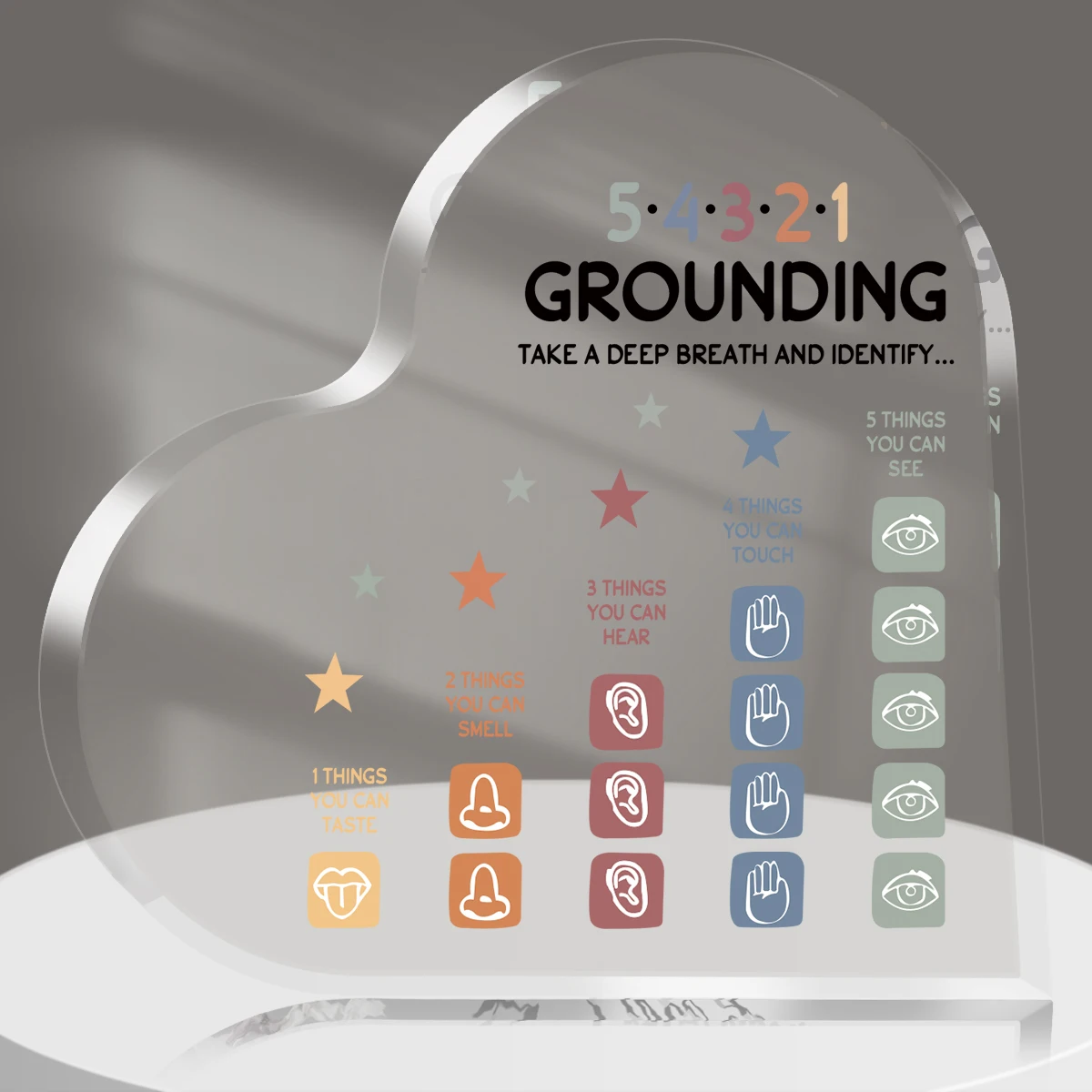
- Implementation: Just 5-15 minutes of guided mindfulness, yoga, or deep-breathing exercises every morning can substantially lower perceived stress and promote clarity for the rest of the day (Harvard Health).
Apps like Headspace or Calm, and also free resources from clinical institutions, provide structured programs for men unfamiliar with meditation.
6.Consume a Balanced, High-Protein Breakfast
Skipping breakfast is associated with increased risk of obesity, insulin resistance, decreased cognitive performance, and higher stress reactivity in men (NCBI). An optimal breakfast stabilizes blood glucose levels, supports muscle protein synthesis, and can alleviate mid-morning fatigue and cravings.
- Dietetic Advice: Include lean proteins (eggs, Greek yogurt), whole grains, healthy fats (avocado, nuts), and fiber-rich fruits or vegetables for a nutritionally complete breakfast (Healthline).
Men with specific metabolic concerns, such as diabetes or hyperlipidemia, should consult a registered dietitian or physician for personalized macronutrient ratios.
7. Strategic Use of Caffeine
Caffeine is the world’s most widely consumed psychoactive substance, and moderate intake can enhance alertness, concentration, and mood (CDC). However,excessive or poorly timed consumption may provoke anxiety,gastrointestinal upset,or disrupt sleep-wake cycles,particularly if consumed later in the day.

- Guideline: Limit caffeine intake to 400mg or less per day, preferably consumed after initial hydration and breakfast to avoid overstimulation of the adrenal axis and mitigate gastrointestinal discomfort (FDA).
monitor for signs of dependency or adverse reactions and consider caffeine-free alternatives-such as herbal tea-when appropriate.
8. Practice Morning Hygiene and Self-Care
A purposeful morning hygiene protocol not only reduces transmission of infectious diseases but also sets a psychological framework for professionalism and self-respect (NCBI). Regular tooth-brushing,skin cleansing,and shaving (or beard maintenance) are fundamental components of self-care. These routines support [[dermatological]]and oral health,thereby lowering risk of periodontal disease,skin infections,and dermatological complaints.
- Recommendations: Integrate a skincare regimen (e.g.,cleansing,moisturizing,applying broad-spectrum sunscreen) and flossing to prevent age- and sun-related dermatoses and oral disease (Mayo Clinic).
Morning grooming is strongly linked to improved self-image and confidence, which supports productivity and social engagement throughout the day.
9. Set Clear Intentions and Priorities for the Day
Effective planning is associated with enhanced executive function and stress resilience.Cognitive behavioral research demonstrates that men who journal, list tasks, or visualize goals each morning report higher productivity and reduced anxiety (JAMA).
- Best Approach: Before engaging in work or digital distractions, spend 5-10 minutes outlining daily goals and setting achievable priorities. This primes the brain for focus and mitigates decision fatigue.
Digital tools-including calendar apps and habit trackers-can help men maintain direction and accountability over time.
10. Establish Digital Boundaries Early
Excessive early-morning exposure to email, social media, and news is strongly associated with increased stress, reduced mood, and impaired attention span (Harvard Health). For men, this can worsen preexisting tendencies toward burnout and compromise work-life balance.
- Evidence-Based Suggestion: Delay checking digital devices until after completing fundamental health habits (hydration, movement, mindfulness). This improves subjective mental wellbeing and focus.
11. morning Supplements and Medication Adherence
For men with chronic health conditions (such as hypertension, hyperlipidemia, or endocrine disorders), morning is often the optimal time for medication governance as prescribed (NCBI). Adherence directly impacts disease control, prognosis, and healthcare outcomes.
- Clinical Reminder: Use pillboxes or digital alerts to maintain adherence and check with a healthcare provider regarding timing for optimal pharmacokinetics.
Be cautious with the use of non-prescription supplements; always consult with a certified physician or pharmacist to prevent potential interactions or side effects.
Integrating Positive Mental Health Strategies
Men are statistically less likely to engage with formal mental health services and are at increased risk for depression and suicide, according to the National Institute of Mental Health (NIMH).Incorporating morning affirmations, gratitude journaling, or connecting briefly with family/social contacts can buffer against isolation and chronic stress (CDC).
- Practical Submission: Start each day with a positive intention or affirmation, or reach out to a friend or loved one, though briefly.
special Considerations
- Men Over 40: Morning routines should compensate for age-related reductions in testosterone, muscle mass, and metabolic flexibility. Prioritize strength training, cardiovascular exercise, and nutrition tailored to bone and prostate health (Harvard health).
- Men with Shift Work / Irregular Schedules: mimic natural light exposure and maintain routine as much as possible; use blackout curtains and light therapy devices to optimize circadian rhythms (NCBI).
- Men with Mental Health conditions: Collaboration with a therapist or counselor can optimize behavioral strategies and integrate morning routines with ongoing treatment protocols.
Potential Risks and How to Avoid Them
While well-constructed morning habits confer myriad benefits,pitfalls include striving for perfection,abrupt schedule changes,or adopting overly aspiring regimens. Such approaches may precipitate mental fatigue, injury, or nonadherence (Healthline). Gradually phase in new habits, monitor for warning signs (persistent fatigue, pain, or mood changes), and tailor routines to current health status.
Conclusion: Crafting Your Health-Enhancing Morning Routine
A science-backed, thoughtfully curated morning routine is a powerful instrument for boosting men’s mental acuity, emotional stability, and physical condition. By optimizing sleep patterns,movement,nutrition,light exposure,and mindful behaviors,men can substantially reduce their risk of chronic disease,elevate productivity,and foster lifelong resilience.
Healthcare providers and wellness professionals are encouraged to educate male clients and patients about the importance of lasting morning habits, emphasizing personalization and evidence-based strategies. for individualized advice and management of comorbidities or specific concerns, always consult with a board-certified physician or a registered health professional.
References
- World Health Organization: Men’s Health
- CDC: Men’s Health
- NIH
- JAMA Network
- Harvard Health
- Mayo Clinic
- Medical News Today
- Healthline
- NCBI PubMed
- Sleep Foundation
- NIMH: Suicide Statistics
- CDC: Mental Health