

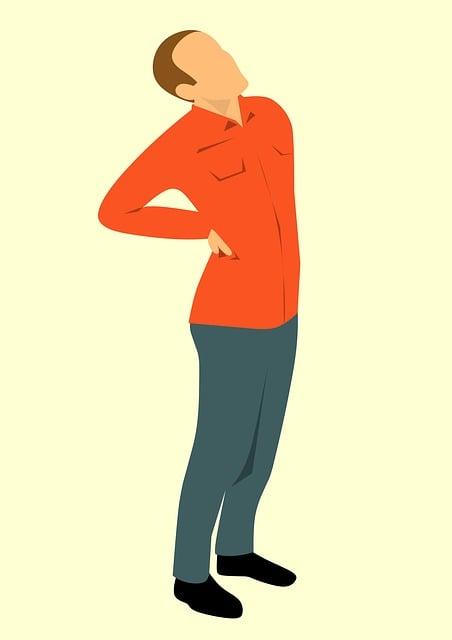
Lower back pain and the emotional toll it can take
Introduction
Lower back pain is among the most prevalent musculoskeletal complaints worldwide, affecting individuals of all ages, occupations, and backgrounds. According to the World Health Institution (WHO), low back pain is the leading cause of disability globally, impacting quality of life and work productivity. in the United States alone, reports from the Centers for Disease Control and prevention (CDC) indicate that approximately 25% of adults have experienced at least one day of back pain during the past three months. Beyond the physical discomfort and functional limitations, the emotional toll of lower back pain is significant, frequently resulting in depression, anxiety, and social isolation. Understanding and addressing both the physical and emotional dimensions of this condition are critical for achieving holistic, evidence-based care.
Overview and Definition
Lower back pain (LBP) is defined as pain localized between the lower rib margin and the gluteal folds, with or without leg pain. It may be classified into acute (lasting less than six weeks), subacute (six to twelve weeks), or chronic (persisting for more than twelve weeks) according to clinical guidelines from the national Institutes of Health (NIH). The discomfort may stem from the vertebral column, surrounding muscles, ligaments, intervertebral discs, nerves, or other soft tissue structures. Epidemiological studies reveal that up to 80% of adults will experience lower back pain at some point in their lives,with a lifetime prevalence of approximately 60-70% in industrialized countries (PubMed). Lower back pain represents a significant burden not only to patients but also to national healthcare systems, given its role in lost workdays and escalated medical costs.
Causes and Risk Factors
The etiology of lower back pain is multifactorial, involving biological, genetic, environmental, and behavioral contributors.
- Mechanical and Structural Causes: Muscular strain or ligament sprain, herniated discs, spinal stenosis, spondylolisthesis, degenerative disc disease, and osteoarthritis are among the most common sources of lower back pain (Mayo Clinic).
- Biological and Genetic Factors: There is evidence that genetic predisposition may play a role in the development of intervertebral disc degeneration or herniation, contributing to chronic back pain (PubMed).
- Behavioral and Lifestyle Risks: Poor ure, sedentary lifestyle, obesity, and inadequate ergonomics may predispose individuals to lower back pain through muscular deconditioning and increased spinal load (Harvard Health).
- Psychosocial Factors: Workplace dissatisfaction, job-related stress, depression, and anxiety can all exacerbate both the onset and persistence of lower back pain by influencing pain perception, coping strategies, and overall prognosis (NIH).
- Other Medical Conditions: Osteoporosis, inflammatory arthritis (such as ankylosing spondylitis), infections, and malignancy should always be considered, especially in patients with atypical presentations or risk factors for these conditions (NHS).

Lower back pain frequently enough has significant emotional and psychological impacts, making holistic care essential.
Pathophysiology: How Lower Back Pain Develops
Lower back pain typically arises from complex interactions between tissue damage, inflammatory processes, and altered neural signaling. In acute episodes, mechanical injury promotes the release of local inflammatory mediators, leading to pain, swelling, and impaired function. Chronic lower back pain may develop when pain persists beyond the normal tissue healing time, resulting in central sensitization—a phenomenon in which the nervous system becomes hyper-responsive to pain stimuli (PubMed). Dysfunction in pain modulatory pathways and maladaptive neuroplasticity further entrench persistent pain and complicate treatment.
Importantly, persistent activation of the hypothalamic-pituitary-adrenal (HPA) axis due to chronic pain can contribute to psychological comorbidities such as depression and anxiety. Release of cortisol and other stress hormones interacts bidirectionally with neural circuits involved in emotional regulation and pain perception (NIH).
Emotional and Psychological Impact of Lower Back Pain
Lower back pain is not solely a physical ailment; its repercussions frequently extend to emotional health, social functioning, and overall well-being. Here are several ways in which lower back pain can impose a significant psychological burden:
- Depression: Individuals with chronic lower back pain are at increased risk of developing clinical depression, characterized by persistent sadness, loss of interest, and hopelessness. Studies show that between 20% and 50% of patients with chronic back pain exhibit depressive symptoms (PubMed).
- Anxiety and Catastrophizing: Chronic pain may provoke intense anxiety regarding future disability and loss of employment. Catastrophic thinking (magnifying pain and expecting the worst outcomes) is correlated with worse pain experiences and higher functional impairment (Harvard Health).
- social Isolation and Stigmatization: Functional limitations, absenteeism, and dependency may reduce social interactions, leading to loneliness and social withdrawal. Stigma and misunderstanding from coworkers, loved ones, or healthcare providers can further worsen emotional distress (NIH).
- sleep Disturbances: Chronic pain impairs both sleep quality and duration, leading to fatigue, irritability, and cognitive problems, which in turn contribute to emotional dysregulation (Sleep Foundation).
- Fear-Avoidance Behaviors: The fear of pain or reinjury may trigger avoidance of activities, resulting in deconditioning and perpetuation of the pain cycle (PubMed).
Diagnostic Approach: Clinical Evaluation and Psychological Screening
An accurate diagnosis starts with a thorough clinical evaluation, including detailed history-taking, physical examination, and, where appropriate, imaging studies (e.g., MRI, X-ray) (Mayo Clinic). Assessment should address the location, onset, duration, radiation, and characteristics of pain, red-flag symptoms (weight loss, fever, trauma, neurological deficit), and risk factors for underlying serious pathology.
Given the high prevalence of emotional comorbidities, validated psychological screening tools—such as the Patient Health Questionnaire (PHQ-9) for depression or the Generalized Anxiety Disorder scale (GAD-7) for anxiety—should be routinely employed for patients with chronic or disabling lower back pain (NIH). Early recognition of emotional distress enables timely intervention and multidisciplinary care.
The Interaction Between Pain and Mood: A Vicious Cycle
The relationship between chronic pain and emotional health is inherently bidirectional. Pain-related neural pathways overlap with brain regions responsible for emotional regulation, including the prefrontal cortex, amygdala, and anterior cingulate cortex (JAMA Psychiatry). Pain amplifies emotional distress,while negative mood states increase pain sensitivity and lower the threshold for discomfort.
This interplay often culminates in a “vicious cycle” wherein chronic pain worsens mood, and poor emotional health lowers coping ability, aggravating pain perception and functional decline. For this reason, treating lower back pain demands an integrated approach encompassing both physical and psychological interventions (Healthline).
Comorbid Conditions: When Pain Meets Mental Health Disorders
Chronic lower back pain is closely associated with several psychiatric comorbidities:
- Major depressive Disorder: An estimated one in five patients with persistent musculoskeletal pain meets diagnostic criteria for major depression (PubMed).
- Generalized Anxiety Disorder and Panic Disorder: The uncertainty and perceived loss of control related to chronic pain can precipitate anxiety syndromes, which in turn amplify pain-related disability (PubMed).
- substance Use Disorders: Misuse of prescription pain medications (notably opioids) and self-medication with alcohol or other substances is a substantial risk for those with chronic pain and comorbid depression (PubMed).
- Somatic Symptom Disorder: Continuous preoccupation with pain or other physical symptoms can become maladaptive, perpetuating chronic disability (NIH).
Recognition of these interconnected disorders is essential for effective care planning and prevention of chronic disability.
Therapeutic Strategies: Treating Both Body and mind
Best-practise guidelines advocate for a multimodal approach to the management of lower back pain,integrating physical,pharmacological,and psychological therapies. evidence-based strategies include:
- Physical therapy and Exercise: Individualized exercise programs, manual therapy, stretching, and core stabilization exercises have strong support for decreasing pain and improving function (Harvard Health).
- Pharmacological Approaches: Nonsteroidal anti-inflammatory drugs (NSAIDs), acetaminophen, and muscle relaxants are first-line agents for acute pain relief, while certain antidepressants (e.g., duloxetine) may be indicated for neuropathic or chronic pain (Mayo Clinic).
- Cognitive Behavioral Therapy (CBT): CBT is the gold standard among psychological interventions for chronic back pain,targeting maladaptive thoughts,catastrophic thinking,and activity avoidance (NIH).
- Mindfulness-Based Stress Reduction: Mindfulness, meditation, and relaxation techniques can lower pain intensity and improve emotional well-being (JAMA).
- Multidisciplinary Pain programs: Combining medical management, rehabilitation, education, and psychological support, these programs address both physical and emotional contributors to pain and are associated with better long-term outcomes (PubMed).
Additional Interventions
- Occupational Therapy: Assists in adapting work or daily activities to minimize pain and maximize independence (Healthline).
- Patient Education: Engaging patients in self-management, goal-setting, and pain neuroscience education can empower self-care and reduce fear (PubMed).
- Support Groups: Facilitating shared experiences and emotional support can decrease feelings of isolation and help with coping (Mayo Clinic).
Living with Lower Back Pain: Practical Advice for Patients
Managing lower back pain requires a proactive and holistic approach, including lifestyle modifications, ergonomic adaptations, and coping strategies for emotional well-being. The following measures may facilitate improved quality of life:
Regular physical activity—tailored and appropriately paced—can maintain mobility and prevent further deconditioning (Harvard Health).
Ergonomic home and workplace arrangements help reduce pain triggers and support long-term spinal health (CDC).
Mind-body practices, including yoga, tai chi, and meditation, provide auxiliary benefits in pain reduction and mood stabilization (NIH).
Building a support network—of family, friends, and professional counselors—helps combat isolation and emotional distress (Medical News Today).
Seeking timely evaluation for new or worsening symptoms, especially if associated with weight loss, fever, numbness, weakness, or loss of bladder/bowel control, is critical to rule out rare but serious conditions (Mayo Clinic).
Holistic and Integrative Perspectives: Beyond the Biomedical Model
Contemporary pain management recognizes the multidimensional nature of lower back pain,embracing the biopsychosocial model that views pain as an interplay of biological injury,psychological state,and social context (PubMed). Holistic care plans may include complementary therapies such as acupuncture, massage, or chiropractic interventions. However,these should be selected in accordance with current evidence and patient preference,and always in conjunction with conventional medical evaluation.
Educational interventions aiming to demystify chronic pain and promote resilience have become an integral aspect of multidisciplinary care.This approach harnesses patient-centered dialog and shared decision-making to build therapeutic alliances, fostering both emotional acceptance and self-management skills (NHS).
Prognosis: Short- and Long-Term Outcomes
Most cases of acute lower back pain resolve within weeks with appropriate conservative management.Though, persistent pain lasting beyond three months (“chronic” back pain) can be refractory and is associated with poorer outcomes, especially when emotional comorbidities remain untreated (PubMed). Factors predicting unfavorable prognosis include:
Severe baseline pain and disability
High levels of psychological distress and catastrophizing
Passive coping strategies
Absence of social support
Job dissatisfaction or loss of employment (The Lancet)
Targeted intervention addressing physical and psychological factors can improve pain, restore function, and enhance emotional well-being in most patients.
Prevention: Protecting Body and Mind
Preventive strategies for lower back pain emphasize risk reduction through healthy behaviors and workplace policies. Key measures include:
Maintaining a healthy weight to reduce spinal stress (CDC)
Staying active with regular physical exercise that incorporates cardiovascular, strength, and flexibility components (NHS)
Practicing proper body mechanics while lifting and carrying objects (CDC)
Implementing ergonomic strategies at work and home
Seeking early intervention for both physical symptoms and emerging emotional distress to prevent chronicity
Frequently asked Questions (FAQ)
| Question | Evidence-based Response |
|---|---|
| Can emotional stress cause lower back pain? | Yes. Chronic stress can lead to muscle tension, altered pain perception, and activation of pain pathways, resulting in or exacerbating lower back pain (medical News Today). |
| Does depression make pain worse? | Absolutely. Depression heightens the central nervous system’s sensitivity to pain and impairs coping, making pain feel more severe (Harvard health). |
| Are medications alone enough to treat chronic lower back pain? | No. Medications can relieve symptoms, but multimodal therapies—including physical rehabilitation and psychological support—are essential for optimal outcomes (Mayo clinic). |
| When should I seek medical help for back pain? | If pain is severe, persists beyond several weeks, or is associated with symptoms such as leg weakness, numbness, bladder or bowel problems, unexplained weight loss, or fever, urgent evaluation is needed (NHS). |
| How can I support a loved one struggling with lower back pain? | Listen empathetically, encourage engagement in health-promoting activities, help reduce isolation, and facilitate connection to professional support resources (Healthline). |
Conclusion
Lower back pain is a highly prevalent clinical entity with profound implications for both physical functioning and emotional health. Its challenge lies not only in alleviating nociceptive symptoms, but also in recognizing and addressing the intertwined effects of mood, anxiety, and social support on pain experience and prognosis. By adopting a holistic, patient-centered model—rooted in evidence-based medicine and compassionate care—healthcare providers can help patients break the cycle of pain and emotional suffering. Early intervention, comprehensive management, and patient empowerment remain the keys to restoring quality of life for those affected by lower back pain and its psychological toll.
For further information, visit resources such as the Mayo Clinic, NHS, and CDC for up-to-date guidelines and support.