

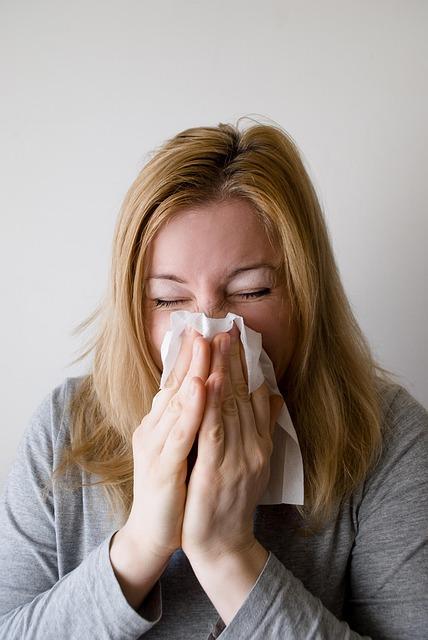
How to Tell If Your Cold Symptoms Are Actually Allergies
Introduction
understanding whether you’re suffering from a common cold or experiencing allergy symptoms is crucial for effective self-care and treatment. Every year, millions of people worldwide report nasal congestion, sneezing, coughing, and general malaise, symptoms that can be attributed to both viral infections like the common cold and immunological responses characteristic of allergies. Actually,according to the world Health Association,allergic rhinitis affects up to 30% of the global population,and the average adult contracts two to four colds per year (CDC). Misinterpreting the source of your symptoms can lead to improper use of medications and increased risk of complications, particularly among individuals with asthma or other chronic respiratory conditions. This article aims to provide a rigorous, scientifically validated framework for distinguishing between cold and allergy symptoms, drawing on contemporary research and clinical expertise.
What Are Allergies? Overview of Allergic Rhinitis
Allergies arise when the immune system mounts an inappropriate response to a usually harmless environmental substance, known as an allergen. This can include pollen, dust mites, pet dander, mold, and certain foods.Allergic rhinitis, commonly referred to as “hay fever,” involves inflammation of the nasal mucosa and is one of the most prevalent allergic disorders globally (NIH: NIAID).
- Pathophysiology: Allergic rhinitis is mediated by type I hypersensitivity reactions. Upon exposure, allergens trigger immunoglobulin E (IgE) binding on mast cells, resulting in the release of histamine and other pro-inflammatory mediators.
- Epidemiology: Allergic rhinitis affects up to 20-30% of adults and 40% of children internationally (NIH: PMC).
- Common Allergens: Seasonal (pollen from trees, grasses) and perennial (dust mites, molds, animal dander).
- Symptoms: sneezing, nasal congestion, nasal itching, watery rhinorrhea, conjunctival irritation, nasal drip, and less commonly, cough.
The Pathophysiology of the Common Cold
The “common cold” is primarily caused by rhinoviruses, with coronaviruses, respiratory syncytial virus (RSV), and others contributing (CDC). Transmission occurs via airborne droplets, person-to-person contact, or contaminated surfaces.
- Symptoms: Sore throat, nasal congestion or “stuffiness,” rhinorrhea, sneezing, cough, mild headache, low-grade fever, and general malaise.
- Clinical Course: Most cold symptoms resolve within 7–10 days, although cough can linger up to 2–3 weeks (Mayo Clinic).
Cold vs. Allergy: Key Similarities and Overlapping Symptoms
Both conditions can present with similar upper respiratory symptoms, such as sneezing, nasal congestion, rhinorrhea (runny nose), and cough. The pathophysiological mechanisms differ—colds result from viral pathogen invasion and replication; allergies are immune-driven—but the resultant inflammation shares many clinical features. This overlap frequently results in misdiagnosis and inappropriate management. Table 1 summarizes primary shared symptoms:
| Symptom | Common Cold | Allergic Rhinitis |
|---|---|---|
| Sneezing | Frequent | Frequent |
| nasal Congestion | Common | Common |
| Rhinorrhea (Runny Nose) | Usually watery, may become thicker | Watery, clear |
| Cough | Often present | Sometimes present (nasal drip) |
| Sore throat | Common (especially early) | Rare, unless nasal drip is severe |
Distinctive Features: How to Differentiate Cold Symptoms from Allergies
Onset and Duration
- Allergies: Symptoms can begin immediately upon exposure to allergens. Duration can be weeks to months if allergen exposure persists or is seasonal.
- Colds: Incubation period of 1–3 days, symptoms typically progress over hours, and illness usually resolves within 1–2 weeks (Harvard Health).
Symptom Quality and patterns
- Itchiness: Nasal, ocular, and even throat itching are prominent in allergies, rare in colds.
- Fever and Malaise: Low-grade fever and pronounced fatigue may be present in colds,but are absent with allergies.
- Discharge Type: Cold nasal discharge often transitions from clear and watery to thicker/opaque; allergy-related discharge remains clear and watery.
- Conjunctival Involvement: Red, watery, itchy eyes are highly suggestive of allergies, seldom seen in colds (NIH).
Associated Symptoms
- Cough: Both may cause a cough, often due to nasal drip. allergy-related cough usually lacks the throat soreness common in colds.
- Body Aches: Generalized aches and pains can accompany viral illnesses, but not allergies.
Visual diagnostic Table
| Characteristic | Common Cold | Allergic Rhinitis |
|---|---|---|
| Onset | Gradual (1–3 days after exposure) | Immediate upon allergen exposure |
| Fever | Might potentially be present (especially in children) | Absent |
| Eyes | Rarely involved | Itchy/watery/red common |
| Duration | 7–14 days | While exposure persists; weeks to months possible |
| Itching | Uncommon | Prominent (especially nose and eyes) |
| Body aches | Occasional | Absent |
Risk Factors and Populations at Greater Risk
Certain factors increase susceptibility to either condition,influencing both diagnosis and management.
Cold Risk Factors
- Young children (CDC)
- Immunocompromised states (e.g., immunodeficiencies, chemotherapy)
- Frequent close contact in schools or workplaces
Allergy Risk Factors
- Family history of allergic disorders (atopy)
- Personal history of asthma, eczema, or other allergic conditions
- Living in environments with high allergen exposure (pets, pollen, dust)
Diagnostic Approach: Evidence-Based methods
A comprehensive clinical assessment remains the cornerstone of differentiation. laboratory and ancillary testing might potentially be warranted in ambiguous cases or where complications arise.
History & Physical Examination
- Elucidate exposure patterns (recent illness vs. environmental triggers)
- Detail symptom chronology and quality
- Assess for personal and family atopic history
Allergy-Specific Testing
- Skin Prick Testing: Standard for identifying specific ige-mediated responses (Mayo Clinic).
- Serological IgE Testing: Useful if skin testing is contraindicated or impractical (MedlinePlus).
- Nasal Smear: Eosinophilia supports allergy; neutrophilia aligns with infection.
Viral Diagnostics
- Rapid antigen detection (RADTs) or PCR: Used in research or severe clinical settings (Healthline).
Complications: Why Accurate Differentiation Matters
Misdiagnosis can result in therapeutic errors and preventable complications:
- Bacterial Sinusitis: Viral rhinitis can predispose to secondary bacterial infections through impaired mucociliary clearance (CDC).
- Uncontrolled Asthma: Both viral infections and allergic rhinitis are well-established asthma triggers. Unaddressed allergies can exacerbate comorbid asthma (NHLBI).
- Chronic Rhinosinusitis: Prolonged inflammatory processes can lead to chronicity and significant quality-of-life impairment (The Lancet).
Choosing antihistamines when antivirals or supportive cold treatment is needed (or vice versa) may delay recovery or worsen symptoms.
Current Treatment Protocols and Self-Management
Accurate distinction informs targeted therapy:
Treating the Common Cold
- Symptomatic Treatment: Includes rest, hydration, saline nasal irrigation, and use of acetaminophen or NSAIDs for fever/pain relief (Mayo clinic).
- Decongestants: May provide short-term relief but are not recommended in children <6 years (FDA).
- Antibiotics are not indicated unless there is secondary bacterial infection.
Managing Allergic Rhinitis
- Avoidance of Known Triggers: Primary prevention measure.
- Intranasal Corticosteroids: First-line therapy for moderate to severe symptoms (NIH PMC).
- Oral/Nasal Antihistamines: Particularly effective against itching and sneezing (Medical News Today).
- Immunotherapy: For refractory cases, subcutaneous or sublingual options exist (Harvard Health).
For both conditions, nasal saline irrigation can reduce symptom burden and improve mucosal clearance (NIH PMC).

When to See a Healthcare Professional
While many mild upper respiratory symptoms are self-limited, certain warning signs necessitate professional evaluation:
- Symptoms persisting beyond 2 weeks
- High fever > 38.5°C (101.5°F)
- Shortness of breath or wheezing
- Severe head or facial pain (indicative of sinusitis)
- Purulent (thick, colored) nasal discharge after 7–10 days
- Symptoms interfering with sleep, work, or school despite treatment
Consulting a physician is essential for populations at increased risk (infants, elderly, immunocompromised) and those with comorbidities such as asthma, chronic obstructive pulmonary disease (COPD), or heart disease (NCBI).
Frequently Asked Questions
1. Can allergies lead to fever?
No—fever is rarely (if ever) associated with allergic rhinitis. If you develop a fever,the symptoms are more likely due to an infection (Healthline).
2. Are allergies contagious?
No—allergies result from the individual’s immune response. They are not spread from person to person, unlike the cold (CDC).
3. Can you have both at once?
Yes—coexistence of allergic rhinitis and a viral upper respiratory tract infection is possible, complicating diagnosis and requiring nuanced management (AAAAI).
4. What environmental factors aggravate allergy symptoms?
Increased pollen counts, dust, animal dander, mold, and indoor pollutants (such as smoke) are key provocateurs. Seasonal weather changes alter pollen and mold prevalence, directly influencing symptom severity (NHS).
5. Will taking antibiotics help my cold or allergies?
no—most colds are viral and do not require antibiotics. Allergies are treated with antihistamines, corticosteroids, or immunotherapy depending on severity (CDC).
Preventive Strategies and Lifestyle Modifications
For Colds
- Frequent hand washing with soap and water
- Avoiding close contact with symptomatic individuals
- Practicing respiratory hygiene (covering coughs and sneezes)
- Disinfecting common surfaces (CDC)
For Allergies
- Minimize outdoor activities during high pollen counts
- Use high-efficiency particulate air (HEPA) filters in home environments
- Keep windows closed during allergy season
- Frequent washing of bedding and stuffed toys in hot water
- Regular cleaning to reduce dust and pet dander (Mayo Clinic)
Summary Table: Cold vs. Allergies Quick Reference
| Feature | Common Cold | Allergic Rhinitis |
|---|---|---|
| onset | 1–3 days -exposure to virus | Immediate upon allergen exposure |
| Duration | 7–14 days (self-limited) | Persistent during exposure; possibly months |
| Fever | Possible | Absent |
| itchiness | Rare | Prominent (eyes, nose, throat) |
| Sore throat | Common | Uncommon (unless nasal drip) |
| tears/red eyes | Occasional/absent | Frequent |
| Body aches & malaise | common | Uncommon |
| Response to antihistamines | Partial (mainly rhinorrhea) | Marked advancement |
| Response to rest and fluids | Recover faster | No impact |
Conclusion
Discerning between cold and allergy symptoms is essential for appropriate self-management, timely medical intervention, and optimal long-term outcomes. Consider onset, duration, unique symptoms (such as itching or fever), personal and family history, and response to treatments. When in doubt, consult with a healthcare provider to ensure proper evaluation, diagnosis, and guidance. For deeper clinical questions, review guidelines from the Centers for Disease Control and Prevention (CDC), UK NHS, and Mayo Clinic. Reliable differentiation between these common upper respiratory conditions can help reduce complications and improve your overall health and well-being.