



Introduction
The safe disposal of old or unused medications is a crucial public health practice that safeguards individuals, communities, and the environment. According to the U.S. Food and Drug Administration (FDA), improper disposal of pharmaceuticals can lead to accidental poisonings, drug misuse, environmental contamination, and antibiotic resistance. Prescription and over-the-counter (OTC) drugs that linger in household cabinets present risks not only to the intended patient but also to other family members, pets, and the broader community. The global prevalence of unused and expired medication is rising, parallel to expanding pharmaceutical consumption, underscoring the pressing need for effective strategies for medication disposal (NCBI).This comprehensive guide provides evidence-based instructions,regulatory insights,and practical options to ensure safe medication disposal,aligned with current medical,environmental,and legal best practices.

Why proper Medication Disposal Matters
Health risks
unused or expired medications stored at home pose a significant risk of accidental ingestion, particularly among children and elderly individuals with cognitive impairment. Unsupervised children may mistake colorful pills for candy, while adults with visual or memory impairments can confuse medications, leading to accidental overdose or adverse drug interactions (CDC). Certain drugs, including opioids and benzodiazepines, are particularly dangerous and have a high potential for misuse and abuse.
Community Safety and Drug Diversion
The improper retention and eventual diversion of prescription medications, especially controlled substances like opioids, stimulants, and sedatives, are major contributors to the opioid epidemic and prescription drug misuse in many countries (NIH). The National Institute on Drug Abuse (NIDA) links much of the non-medical use of prescription drugs to supplies obtained from friends and family-often directly from home medicine cabinets.
Environmental Impact
Pharmaceuticals flushed down toilets or disposed with regular waste can contaminate water supplies and disrupt aquatic ecosystems. Multiple studies have detected persistent pharmaceutical residues, including antibiotics, hormones, and psychotropics, in municipal water sources (World Health Organization). Such contamination disrupts microbial communities, alters animal hormone systems, and contributes to antibiotic resistance, posing a threat to public and ecological health (NCBI).
Common Types of Medications Requiring Safe Disposal
- Prescription medications (e.g., opioids, antibiotics, antipsychotics, cardiovascular drugs)
- Over-the-counter (OTC) medications (e.g., pain relievers, cold and flu remedies, allergy medications)
- Vitamins and dietary supplements
- Topical preparations (e.g., ointments, creams, patches)
- Inhalers and aerosol canisters
- Injectables and biologicals (e.g., insulin, epinephrine auto-injectors)
- Liquid medications (e.g., syrup, suspension, oral solutions)
Each medication type may require unique disposal precautions to mitigate health and environmental risks. For complete guidance, always review the patient information leaflet or consult a healthcare professional (MedlinePlus).
federal and International Guidelines for Medication Disposal
Regulatory Overview (USA, UK, WHO)
In the United States, the Drug Enforcement Administration (DEA) and FDA have published specific regulatory frameworks for medication disposal. The FDA outlines three main methods: drug take-back programs, authorized collection sites, and at-home disposal with specific instructions.
The United Kingdom’s National Health Service (NHS) advises patients to return unwanted medicines to local pharmacies. The World Health Organization (WHO) emphasizes minimizing pharmaceutical waste and promoting systematic collection and environmentally sound disposal methods worldwide.
Drug take-Back Programs: The Gold Standard
What Are Drug take-Back Programs?
Drug take-back programs are community initiatives led by authorized pharmacies, hospitals, law enforcement agencies, and municipal waste organizations. These programs provide secure drop-off points for unwanted medications and ensure environmentally safe, regulatory-compliant disposal (DEA).
How to Find a local Take-Back Site
- Check with local pharmacies-many are registered with national collection programs.
- Contact local police departments about special drop-off events or permanent collection boxes.
- Visit the DEA’s searchable locator tool to find authorized take-back locations.
- Community health centers and hospital outpatient clinics may host periodic “medical waste amnesty days.”
what to Bring and What Not to Bring
Most take-back programs accept:
- Prescription and OTC pills and capsules
- Liquid medicines sealed in original containers
- Pet medications
Common exclusions:
- Needles, syringes, or other sharps (use special sharps disposal programs)
- Illegal drugs
- Inhalers and aerosol products (check for hazardous waste requirements)
Be sure to check with your local facility for specific acceptance policies.
Steps for At-Home Medication Disposal According to Medical Guidelines
When Take-back Is Not Available
If drug take-back programs are inaccessible, at-home disposal is permitted for many medications, under carefully controlled conditions. The FDA and Environmental Protection Agency (EPA) recommend the following steps.
Step 1: Remove Medications from Original Containers
Take tablets, capsules, or liquid medications out of their labeled packaging to reduce the risk of identification.
step 2: Conceal Medications in Unpalatable substance
Mix the medication with an undesirable material, such as used coffee grounds, cat litter, or dirt. This reduces the likelihood of accidental ingestion by children, pets, or others rummaging through trash.
Step 3: Seal in a Durable Container
Place the mixture in a sealable bag or non-leaking container, such as an empty margarine tub or plastic jar. This prevents leakage and reduces environmental exposure until normal trash disposal.
Step 4: Remove or Obscure Personal Information
Before discarding empty prescription bottles, peel off or black out any personal identifying information to protect patient confidentiality (HIPAA guidelines).
Step 5: Place in Household Trash
dispose of the sealed container in your regular household trash. Do not flush medications unless specifically instructed.
Special Disposal Instructions: Medications with Unique Risks
Opioids, Narcotics, and High-Risk Controlled Substances
Certain high-risk medications, especially opioids, benzodiazepines, and other controlled substances, are listed on the FDA “Flush List”. These drugs pose life-threatening toxicity if ingested accidentally, even in small amounts. If no take-back program is available, the FDA permits flushing these drugs down the toilet as a last resort to immediately eliminate risk. Environmental concerns are secondary to the urgent public health risk (CDC).
Inhalers and Aerosolized Medications
Metered-dose inhalers and aerosolized medications frequently enough contain pressurized, flammable propellants. Never incinerate or puncture these canisters. Return empty or expired inhalers to pharmacies that accept hazardous waste, or utilize municipal household hazardous waste collection programs (EPA).
Injectables, Insulin Pens, and Sharps
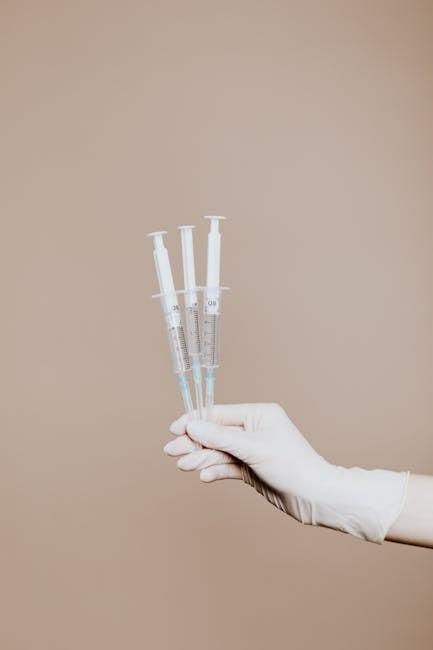
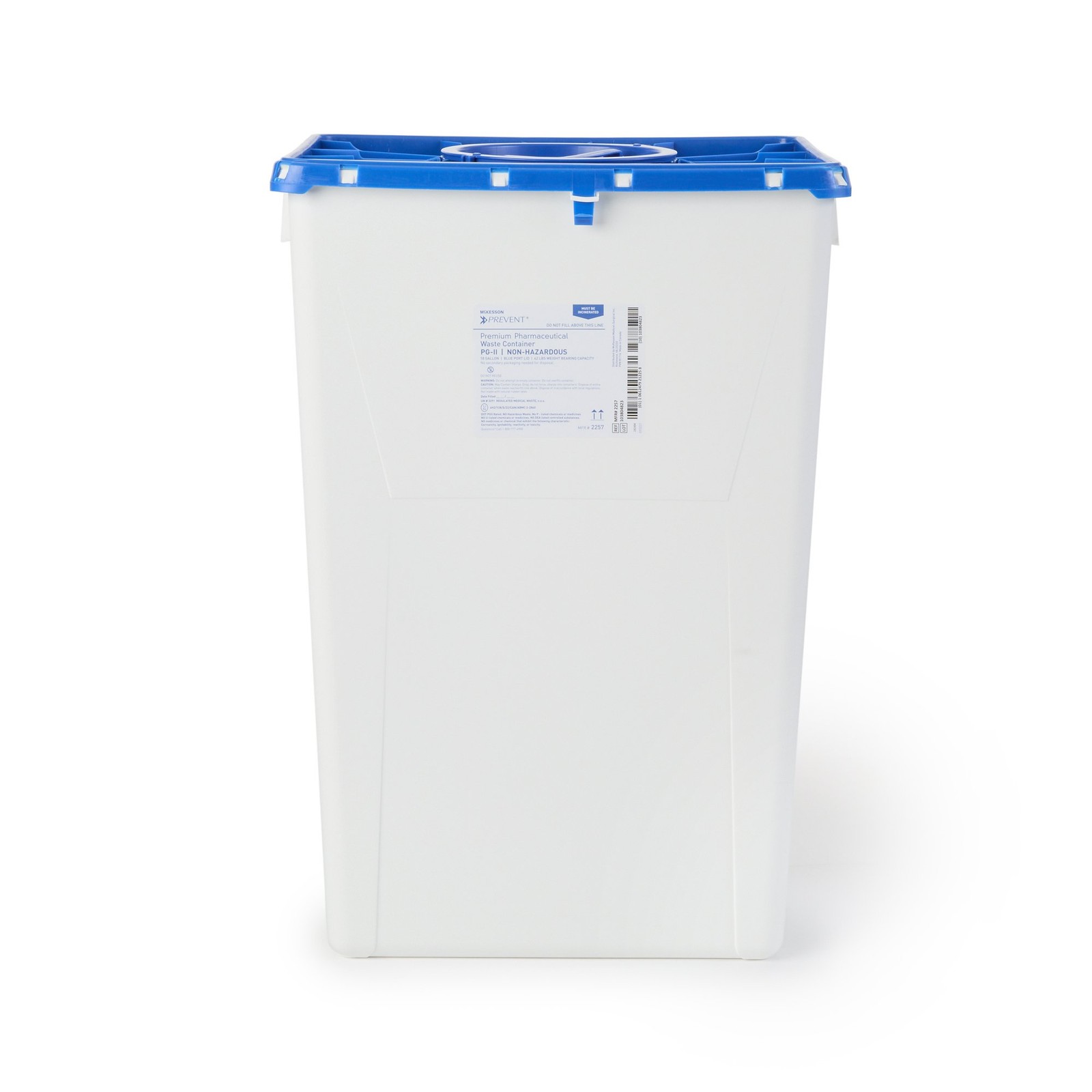
Used needles and syringes, known as ”sharps,” require designated disposal containers to avoid accidental needle-stick injuries and transmission of bloodborne pathogens.Many communities offer sharps collection programs or provide puncture-proof sharps containers for home use.
Environmental Considerations and Preventing Pharmaceutical Pollution
risks to Waterways and Aquatic Life
Pharmaceutical ingredients such as analgesics,antibiotics,and endocrine disruptors are frequently detected in rivers,lakes,and even drinking water systems (WHO). Chronic exposure can harm aquatic life and foster antibiotic resistance, with potential feedback impacts on human health.
Practical Steps for Environmental Safety
- Never flush medications down the drain unless instructed for a specific drug.
- Participate in community take-back or hazardous waste programs.
- Advocate for “green pharmacy” initiatives and environmentally sustainable drug manufacturing (Harvard Health).
Legal and Ethical Considerations
Pharmaceutical Regulations
Laws governing medication disposal vary by region and often distinguish between household and healthcare facility waste.In the U.S., the EPA classifies some medications as hazardous waste. Healthcare providers are mandated to comply with the Health Insurance portability and Accountability Act (HIPAA) and Controlled Substances Act regulations regarding medication destruction and patient privacy.
Medical Ethics
Healthcare professionals have an ethical obligation to educate patients on safe medication storage and disposal, minimizing community harm and environmental contamination (JAMA).

Case Studies: the Impact of Inappropriate Medication Disposal
Increased Pediatric Poisonings from Accessible Medications
Research from the CDC reveals that up to 50,000 children under five are taken to emergency rooms annually in the U.S. due to unsupervised medication ingestion. The presence of old, expired, or leftover drugs in accessible locations is a significant causal factor.
Environmental Contamination in Water Supplies
A 2018 study published in The Lancet established that pharmaceutical residues, including antidepressants and anti-inflammatory drugs, were widespread in surface water samples worldwide, linked to improper medication disposal practices.
Opioid Crisis and Diversion of Unused Medications
Leftover prescription opioids from -surgical procedures and dental care were found to contribute to unprecedented rates of opioid misuse and fatal overdose, according to data from the NIH. Drug take-back programs have been effective in reducing community access to these unused high-risk medications.
Prevention: How to Minimize Accumulation of Unused medications
Follow Prescription Directives closely
Only fill prescriptions as directed and avoid requesting larger quantities than medically necessary (Mayo Clinic).
Routine Medication Cabinet Audits
Periodically inspect your home medicine cabinet for expired or unneeded pharmaceuticals. Plan for annual purges linked to medication take-back events or according to local hospital calendars.
Optimize Interaction with Healthcare Providers
Discuss the need for refills, potential medication discontinuation, and the safest ways to dispose of unused drugs with your physician or pharmacist. This proactive approach improves adherence and minimises waste.
FAQ: Frequently Asked Questions about Medication Disposal
- Can I flush any medication down the toilet?
No. Only medications listed by the FDA “Flush List” should be flushed, and only when take-back is not possible. - Is it safe to put medications in the trash after mixing with coffee grounds or cat litter?
Yes, this is an FDA-recommended method to deter accidental ingestion or diversion when take-back options do not exist. - How should I dispose of inhalers, needles, or other medical devices?
Follow local hazardous waste and sharps disposal guidelines. Never throw undepressurized canisters or lose needles in household trash (FDA). - Can I give unused medications to friends, family, or charity?
No. Sharing medications is illegal and potentially dangerous due to differing medical histories and dosage needs (NCBI).
- Can I flush any medication down the toilet?
Patient Education and Public Health Promotion
Clear communication and accessible resources are vital in empowering individuals to safely manage medication disposal. Educational campaigns during National Prescription Drug Take Back Day and similar events have shown measurable success in reducing medication-related harm (DEA). Healthcare providers, community leaders, and pharmacists should distribute up-to-date pamphlets, host informational workshops, and provide web resources to reach a broad audience.
Conclusion
The safe disposal of old or unused medications is both a personal and collective duty. By adhering to best practices-utilising take-back programs whenever feasible, following FDA or local disposal protocols at home, and avoiding environmentally harmful disposal-you contribute to a safer home, community, and ecosystem. healthcare professionals, governments, and individuals must work collaboratively to promote education, access, and responsible medication use. For further guidance and up-to-date policies, consult your local pharmacy or visit the official regulatory resources linked throughout this article.