
 iron-rich plant-based foods”>
Best Iron-Rich Plant-Based Foods for Daily Strength
Introduction
Iron is an essential micronutrient, vital for oxygen transport, cellular respiration, energy metabolism, cognitive performance, immune competence, and general well-being. Despite it’s importance,iron deficiency remains the moast common nutritional deficiency globally,affecting over two billion individuals according to the World Health Organization (WHO). Individuals following vegetarian, vegan, or predominantly plant-based diets are particularly susceptible to suboptimal iron intake, making the identification and strategic inclusion of iron-rich plant foods critical for maintaining daily strength, vitality, and long-term health. This article presents a comprehensive,evidence-based exploration of plant-derived iron sources,their bioavailability,practical dietary strategies,and clinical considerations for optimizing iron status without reliance on animal-based foods.
Understanding Iron: Functions, Types, and Health Implications
Physiological Role of Iron
Iron is a pivotal element driving several biological processes:
- Hemoglobin and Myoglobin Synthesis: Approximately 65% of the body’s iron is found in hemoglobin, facilitating oxygen transport from lungs to tissues. Myoglobin, present in muscle fibers, enables oxygen storage and release during physical activity (Mayo clinic).
- Enzymatic and Cellular Function: Iron acts as a cofactor for numerous enzymes involved in DNA synthesis,mitochondrial energy production,neurotransmitter formation,and immune cell proliferation (NCBI Bookshelf).
Types of Dietary Iron: Heme vs. Non-Heme Iron
Iron exists in two primary forms in the diet:
- Heme Iron: Found exclusively in animal products, heme iron is highly bioavailable (15–35% absorption). as plant-based diets eliminate or limit animal sources, heme iron intake is negligible for vegetarians and vegans (Harvard Health).
- Non-Heme Iron: Present in plants, dairy, and eggs, non-heme iron is less efficiently absorbed (2–20% absorption) due to the influence of dietary inhibitors and enhancers. proper dietary strategies can substantially optimize non-heme iron utilization (CDC).
The Global Impact of Iron Deficiency and Plant-Based Diets
Iron deficiency is a major public health issue, especially in women of reproductive age, pregnant individuals, children, and those adhering to vegetarian or vegan diets. The major clinical result, iron-deficiency anemia, manifests as fatigue, impaired cognitive function, diminished exercise capacity, and increased susceptibility to infections (NIH). Epidemiological research has shown that while plant-based diets may lower risk for cardiovascular and metabolic disorders, they require thoughtful planning regarding critical micronutrients such as iron (NIH).
Recommended Dietary Allowances (RDA) for Iron
| Population Group | Recommended Daily Intake (mg) |
|---|---|
| Adult Men (19–50 years) | 8 mg |
| Adult Women (19–50 years) | 18 mg |
| Pregnant Women | 27 mg |
| Vegetarians/Vegans | 1.8x RDA (up to 32 mg for women) |
The increased needs for vegetarians and vegans recognize the lower bioavailability of plant-based non-heme iron (NIH office of Dietary Supplements).
Top Iron-Rich Plant-Based Foods for Daily Strength
Legumes: Beans, Lentils, and Peas
Legumes are foundational in plant-based diets due to their high protein, fiber, and micronutrient density. Studies demonstrate that beans, lentils, and peas provide substantial amounts of non-heme iron—commonly 2–6 mg per cooked cup (Harvard T.H. Chan School of Public Health).
- Lentils: 1 cup cooked = 6.6 mg (Healthline)
- Chickpeas (Garbanzo Beans): 1 cup cooked = 4.7 mg
- Black Beans: 1 cup cooked = 3.6 mg
- Kidney Beans: 1 cup cooked = 3.9 mg
- Green Peas: 1 cup cooked = 2.5 mg
Regular consumption of legumes, paired with vitamin C-rich foods, significantly supports optimal iron status in plant-based diets (NIH).
Whole Grains: Quinoa, Oats, and brown rice
Whole grains are not only a complex carbohydrate source but also a substantial contributor to non-heme iron intake. proper preparation methods such as soaking and sprouting can reduce phytates and enhance mineral bioavailability (PubMed).
- Quinoa: 1 cup cooked = 2.8 mg—also a complete protein with essential amino acids.
- Oats: 1 cup cooked = 2.1 mg—steel-cut or rolled oats retain more micronutrients.
- Brown Rice: 1 cup cooked = 0.8 mg—choose minimally processed grains for maximal benefit.
In particular, quinoa stands out as both gluten-free and iron-rich, which is especially important for those with celiac disease or gluten intolerance.
Seeds: Pumpkin, Sesame, Flax, and Chia
Seeds are powerhouse sources of minerals, plant omega-3s, and fiber. Just a small serving can provide a significant portion of daily iron needs.
- Pumpkin seeds (Pepitas): 1 ounce roasted = 2.3 mg (Medical News Today)
- Sesame Seeds: 1 tablespoon = 1.3 mg
- flax Seeds: 2 tablespoons = 1.6 mg—ground flax provides better absorption.
- Chia seeds: 2 tablespoons = 1.2 mg
Sprinkling seeds on cereals, salads, or using tahini (sesame paste) as a dip are practical ways to boost daily iron intake (Healthline).
Nuts: Almonds,Cashews,Pine nuts
Nuts supply diverse nutrients,including iron,healthy fats,vitamin E,and protein.Regularly incorporating a moderate portion of nuts can bolster both energy density and micronutrient adequacy.
- Cashews: 1 ounce = 1.9 mg (NHS)
- Pine Nuts: 1 ounce = 1.6 mg
- almonds: 1 ounce = 1.0 mg
Nuts also work synergistically in recipes and snacks with fruits and grains, maximizing both practical intake and taste variety.
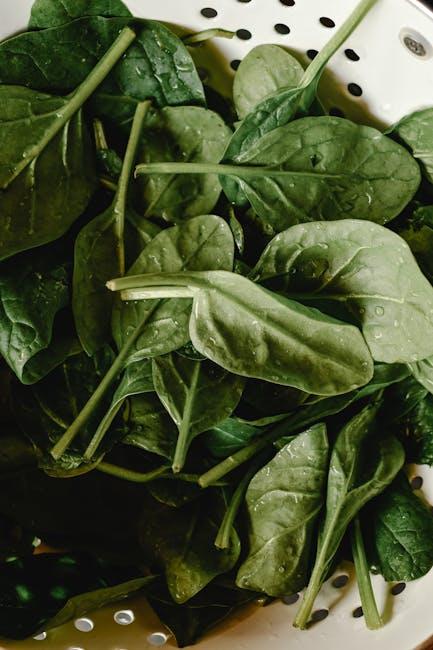
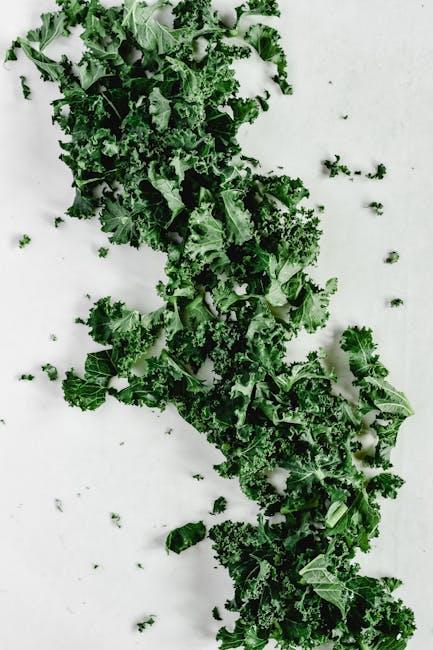
Dark Leafy Greens: Spinach, Swiss Chard, and Kale
Leafy greens are renowned for their nutrient density, contributing vitamins A, K, and C, and also iron. While spinach contains high total iron, its bioavailability is lower compared to other plant sources, due to oxalates (NIH).
- Cooked Spinach: 1 cup = 6.4 mg
- Cooked Swiss Chard: 1 cup = 3.9 mg
- Cooked Kale: 1 cup = 1.2 mg
To enhance absorption, pair greens with vitamin C-rich foods (e.g., citrus, tomatoes, bell peppers). Light cooking also reduces oxalate and increases iron bioavailability (mayo Clinic).
Fortified Foods: Cereals and Plant Milks
Food fortification is a proven public health intervention to prevent micronutrient deficiencies. Many breakfast cereals and plant-based milks (soy, oat, almond) are fortified with iron and other crucial nutrients.
- Fortified Breakfast Cereals: Vary widely.Check labels, with some brands providing up to 18 mg per serving. Avoid sugar-laden varieties (FDA).
- Fortified Plant Milks: Up to 3 mg per cup—read labels to confirm iron fortification.
Fortified foods are particularly suited to children, adolescents, athletes, and those with increased nutritional demands or absorption issues.
Dried Fruits: Apricots, prunes, Raisins, and Figs
Dried fruits, due to their concentrated sugar and micronutrients, provide an easy, portable means to increase dietary iron alongside other minerals and antioxidants.
- Dried Apricots: 1/2 cup = 2 mg
- Raisins: 1/2 cup = 1.6 mg (Healthline)
- Prunes: 1/2 cup = 0.8 mg
- Dried Figs: 1/2 cup = 1.5 mg
These foods make excellent additions to breakfast, trail mixes, or as snacks for sustained energy and micronutrient support.
Factors Influencing Plant Iron Absorption
Dietary Enhancers of Iron Absorption
Plant-based iron absorption is subject to numerous dietary modifiers:
- Vitamin C (Ascorbic Acid): Combines with non-heme iron to form soluble complexes, enhancing intestinal absorption. Citrus, peppers, strawberries, tomatoes, and broccoli are excellent sources (NIH).
- Fermentation and Sprouting: Reduce phytate and polyphenol content, improving overall iron availability (NIH).
Dietary Inhibitors of Iron Absorption
Some dietary factors can suppress non-heme iron bioavailability:
- Phytates: Abundant in whole grains, beans, nuts, and seeds, phytates chelate iron, lessening absorption. Techniques such as soaking, fermenting, and sprouting can help (Harvard Health).
- Polyphenols and Tannins: Present in tea, coffee, and cocoa; best consumed away from iron-rich meals (NIH).
- Calcium: Competes with iron for absorption; avoid large doses of calcium supplements or high-calcium foods with main iron-rich meals.
Meal Planning Strategies for Maximizing Iron Intake
Combining Iron-Rich Foods with Absorption Enhancers
Strategic pairing is essential for optimal non-heme iron utilization:
- Include a vitamin C source at every plant-based main meal.
- Use acidic dressings (e.g., lemon juice, vinegar) on salads and grain bowls.
- Add fermented foods (such as sauerkraut or tempeh) to meals.
Cooking Methods and Food Preparation
– Soaking/Sprouting: Reduces anti-nutrients in legumes and grains.
– Cooking: Increases digestibility and can improve iron release for certain foods.
– Avoiding Tea and Coffee During Meals: Consume hot beverages an hour before or after eating.

A diverse array of the best iron-rich plant-based foods—tasty, nutrient-packed choices for daily strength.
Clinical Perspective: Iron Deficiency on Plant-Based Diets
Epidemiology and Risk Factors
Research highlights that despite overall health benefits, plant-based diets may confer heightened risk for iron-deficiency anemia, especially without dietary vigilance (The Lancet Diabetes & Endocrinology). factors increasing risk include heavy menstrual bleeding,athletic training,pregnancy,gastrointestinal disorders,and restrictive diets.
Clinical Assessment and Biomarkers
Diagnosis of iron deficiency is based on laboratory analyses:
- Serum Ferritin: The best indicator of body iron stores; low values (<15–30 ng/mL) signal depletion (CDC).
- Hemoglobin and Hematocrit: confirm established anemia.
- Serum Iron, Total Iron-Binding Capacity (TIBC), and Transferrin Saturation: Used to differentiate iron-deficiency anemia from other etiologies.
Supplementation: When to Consider iron Supplements
Most individuals can achieve sufficiency through food, but supplementation might potentially be necessary in cases of diagnosed iron deficiency, pregnancy, or poor absorption. Supplements should only be initiated under medical supervision to avoid iron overload and its complications (e.g.,oxidative stress,organ dysfunction) (Mayo Clinic).
Frequently Asked Questions (FAQ)
Can you get enough iron from only plant-based foods?
With careful planning, it is entirely possible to meet and even exceed the iron RDA on a thoughtfully structured plant-based diet.emphasizing a wide variety of legumes, whole grains, seeds, vegetables, and fortified foods is key (MedlinePlus).
Does cooking in cast iron pans increase food iron content?
Yes. Scientific studies confirm that acidic and moist foods (e.g., tomato-based sauces, stews) cooked in cast iron can measurably increase their iron content (NIH).
are there natural side effects to high iron intakes from plant sources?
unlike heme iron, plant-based (non-heme) sources are tightly regulated by the body—overconsumption from food is rare except with excessive supplementation or genetic hemochromatosis (NHS).
Who needs to pay special attention to their iron intake on a plant-based diet?
Groups at highest risk include pregnant and lactating individuals,women with heavy menstruation,infants,young children,adolescents,athletes,and those with digestive disorders affecting nutrient absorption (Healthline).
Conclusion
Maximizing daily strength, endurance, and resilience on a plant-based diet requires purposeful attention to iron intake. Evidence shows that a diverse,well-composed plant-based diet,rich in iron-laden legumes,grains,seeds,nuts,vegetables,dried fruit,and fortified foods—paired with sensible food preparation and vitamin C—can successfully meet or exceed recommended iron requirements. Regular medical monitoring, personalized dietary advice, and, when indicated, targeted supplementation, ensure robust iron status and overall health. For further guidance, consult a registered dietitian or healthcare professional, and access leading resources such as the WHO and NIH official guidelines.
Key Takeaways
- Plant-based eaters can meet their iron needs with a wide array of foods and strategies.
- Pair iron-rich foods with vitamin C to maximize absorption and minimize inhibitors where possible.
- Routine blood work and medical evaluation are essential for those with clinical symptoms or at higher risk.
References
- WHO Anaemia Fact Sheet
- Mayo Clinic: Iron Deficiency Anemia
- NIH Office of Dietary Supplements: Iron
- Harvard Health Blog: How Much Iron Do You Need?
- Harvard Nutrition Source: legumes and Pulses
- Medical News Today: Iron in Quinoa
- Healthline: Best Iron-Rich Foods
- NHS: Iron-Rich Foods
- FDA: How to Understand Nutrition Facts
- MedlinePlus: Iron in Diet