
Introduction
In the era of global travel and digital commerce, accessing medications has never been more convenient—or more hazardous. The proliferation of fake medications,whether purchased online or obtained abroad,poses a considerable threat to personal and public health,contributing to treatment failure,drug resistance,and severe adverse effects. According to the World Health Association (WHO),one in ten medical products in low- and middle-income countries is substandard or falsified. Even in developed nations, the risk persists, particularly through illegal online pharmacies. This comprehensive article provides evidence-based guidance on how healthcare professionals, patients, and travelers can recognize and avoid fake medications, emphasizing strategies for safe procurement, reliable identification, and what to do if you encounter or suspect counterfeit drugs.
Understanding Fake Medications: Definitions and Epidemiology
What Are Fake Medications?
Fake medications, often described as counterfeit or falsified medicines, are products that are deliberately and fraudulently mislabeled with respect to identity and/or source. They may contain the wrong ingredients,incorrect doses,hazardous contaminants,or no active ingredients at all. The U.S. Food & Drug Administration (FDA) distinguishes substandard medicines (which fail to meet quality standards) from falsified medicines (which deliberately misrepresent their composition or origin).
Global and Online Prevalence
According to ongoing studies cited by the national Institutes of Health (NIH), fake medications are a global problem, but especially prevalent in countries lacking stringent regulatory oversight. The rise of over 35,000 illegal online pharmacies worldwide—many selling counterfeit products—exacerbates the situation. Even legitimate-appearing websites can be fronts for sophisticated criminal networks (CDC).
Risks and Harms of Taking Fake Medications
Consequences for Individual and Public Health
Fake or counterfeit medications pose tremendous risks. Clinical consequences include:
- Treatment failure (lack of efficacy).
- Adverse reactions due to harmful contaminants or incorrect dosages.
- Antimicrobial resistance when antibiotics are underdosed or substituted (WHO, 2017).
- Death, especially in the context of life-saving therapies for HIV, malaria, or cancer (WHO Bulletin).
Wider societal harms include:
- Erosion of trust in healthcare systems
- Financial loss to patients and health services
- Increased burden of disease and healthcare costs
Why Are Fake medications So Widespread?
Market Drivers
Several factors fuel the spread of falsified medicines:
- High demand for essential,high-cost,or hard-to-find drugs
- Globalization of pharmaceutical supply chains
- Weak regulatory controls or enforcement in certain jurisdictions
- Lack of public awareness regarding the dangers of fake medications
- Online access to unverified pharmacies
Consequently,patients may unwittingly trust sources that have not been vetted by credible regulatory bodies.
Key Strategies to Spot Fake Medications
Identifying counterfeit medications requires vigilance, knowledge, and careful observation. Here are the most reliable, evidence-based approaches.
1. Verify the Source
- Purchase medications onyl from certified pharmacies. in the U.S.,FDA’s BeSafeRx allows verification of legitimate online pharmacies licensed in your state.
- In other countries, look for accreditation programs such as the PharmacyChecker or national pharmacy boards.
2. Examine Packaging and Labeling
- Check for spelling errors,grammatical mistakes,blurry fonts,or inconsistent brand names (Mayo Clinic).
- Authentic medications typically have batch numbers, expiration dates, and detailed manufacturer details.
- Be wary of missing or altered security features (holograms, seals, embossing).
3. Inspect the physical Appearance
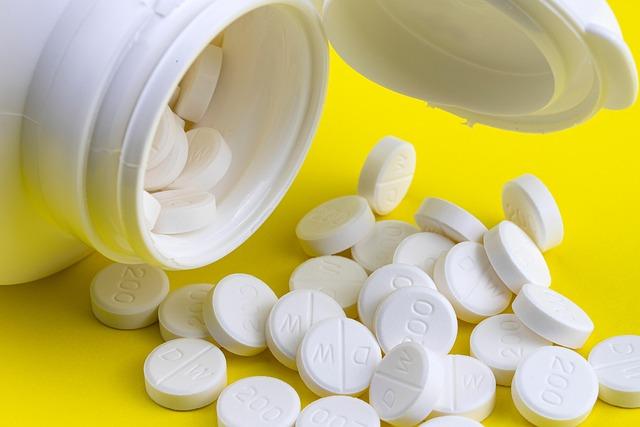
- Observe colour, size, shape, and markings on tablets or capsules. Genuine drugs show consistency within a lot; inconsistencies may point to falsification.
- Compare with reference images published by manufacturers or in imprint databases.
4. Assess the Medication’s Price
- Suspiciously low prices, especially for high-demand drugs, suggest possible counterfeiting (Harvard Health).
- Cross-reference average market prices with trusted pharmacy chains.
5. Seek Professional Verification
- Ask pharmacists or clinicians to evaluate unfamiliar or suspect products (NHS UK).
- Use drugs authentication tools or mobile verification apps offered in some countries.
6.Research Online Pharmacies Thoroughly
- Avoid online pharmacies that do not require a prescription, offer international shipping without compliance, or lack a physical address.
- Look for accreditation from national or international agencies,such as the NABP Digital Pharmacy Accreditation.
- Verify domains: avoid sites ending with ‘.ru’ or ‘.cn’ unless verified by appropriate authorities.
Visual Guide to Authentication: What to Check For
Use this fast checklist when evaluating medication appearance:
| Feature | What to Check | Warning signs |
|---|---|---|
| Packaging | Seals, batch/lot #, expiry date, hologram | Missing/altered seals, typo errors |
| Tablet/Capsule | Consistent color, size, imprint, shape | Chipping, discoloration, ambiguous imprint |
| Documentation | Leaflet in correct language, licensed manufacturer | No leaflet, foreign language, poor print quality |
| Price | Aligned with market rate | Unusually cheap or pushy offers |
How Fake Medications Are Identified in Laboratories
Analytical Techniques Used by Authorities
Law enforcement and regulatory agencies rely on advanced analytical methods to identify fake medications, including:
- Chromatography/Mass spectrometry to detect exact chemical composition.
- Spectroscopic fingerprinting (e.g., Raman, NIR) to analyze active and inactive ingredients (NIH review).
- Dissolution and stability testing to evaluate pharmacokinetics and assurance of efficacy.
While these techniques are sophisticated and largely performed by experts, knowing that such processes exist reassures patients about the rigorous standards held by legitimate manufacturers.

Case Examples: Major Incidents involving Fake Medicines
Asia and Sub-Saharan Africa
Counterfeit antimalarial drugs have caused treatment failures and increased mortality, as documented by the Lancet. In 2013, up to 30% of malaria drugs in Southeast Asia were found to be falsified, with severe implications for drug-resistant malaria strains.
United States and Europe
Operation Pangea, coordinated by INTERPOL and involving the FDA, has intercepted millions of counterfeit medications in the U.S. and Europe. In 2015 alone, over USD $81 million worth of fake drugs—including antibiotics, HIV antivirals, and cancer therapeutics—were seized in a single, weeklong operation.
Prevention: How to Protect Yourself and Loved Ones
Travelers’ Checklist
- If traveling to countries where regulatory enforcement may be lax, bring a full supply of required medications from home.
- In emergencies, use reputable hospitals, government-run clinics, or pharmacies attached to hospitals.
- Avoid buying medicines from open markets or unlicensed street vendors (CDC: Medicines in certain Countries).
- Check with embassy or travel clinics about local risks and reputable pharmacies.
For Online Shoppers
- Never buy from websites that dispense prescription medications without a valid prescription.
- Watch for websites that do not display a license or accreditation seal. Confirm the legitimacy of these seals using the provider’s website.
- Scrutinize ‘About’ and ‘Contact’ pages for red flags such as overseas locations, only email customer support, or vague company information.
What to Do If You Suspect a Fake Medication
Initial Steps
- Cease taking the suspected medication immediately.
- Consult your healthcare provider or pharmacist for advice (NHS UK – Fake medicines).
- Report the product to national regulatory authorities, such as the FDA’s MedWatch or equivalent authorities in your country.
- Preserve the medication,packaging,and receipt for examination.
In case of severe reactions or poisoning,seek emergency medical care promptly (CDC Poison Center).
The Role of Health Professionals and Pharmacovigilance
Clinicians and pharmacists are at the frontline of defence against counterfeit medications. Enhanced vigilance, patient education, and routine pharmacovigilance reporting are critical. healthcare systems increasingly employ track-and-trace technology and participate in global surveillance initiatives, such as WHO’s Global Surveillance and Monitoring System, to gather data and accelerate responses to falsified medicines alerts.
Patient Education Points
- Emphasize the importance of obtaining medicines only from trusted, regulated sources.
- Encourage verification of appearance and packaging before each use, even for routine prescriptions.
- Inform patients about reporting channels for suspicious drugs.
Emerging Solutions: Technology and Policy Innovations
Progress in pharmaceutical authentication technology is helping to curb the epidemic of fake medicines. Examples include:
- Serialization and barcode tracking: Allows medicines to be traced from manufacturer to pharmacy.
- Mobile verification apps: Customers in some regions can scan QR codes to confirm authenticity.
- International partnerships: Cross-border cooperation and information sharing improve detection and enforcement (The Lancet).
Stronger regulatory frameworks, such as the EU Falsified Medicines Directive, set global standards for supply chain security.
FAQs About Fake Medications
-
Can I trust all medications bought online?
No.Only buy from pharmacies accredited by recognized national programs and which require a valid prescription (FDA guide).
-
Are over-the-counter drugs also at risk of being counterfeited?
yes, painkillers, cold remedies, and supplements are frequently counterfeited (NIH study).
-
What are the most commonly faked medications?
Antibiotics, antimalarials, lifestyle drugs (e.g., erectile dysfunction), weight-loss pills, and cancer drugs are high-risk.
-
What should I do if I discover a fake medication in my possession?
Stop using it immediately, retain the packaging, and contact your healthcare provider and relevant authorities for further action.
Conclusion
The risk posed by fake medications online or abroad is a pressing global health concern. Vigilance, education, and informed decision-making are your best defenses. Always obtain medications from reputable, certified sources; carefully check packaging, appearance, and price; and consult health professionals with any concerns. By staying alert and well-informed, you considerably decrease the risk of exposure to falsified medicines, safeguarding yourself and your community.
For more on this topic, refer to these resources:
- WHO: Substandard and Falsified Medical Products
- FDA: Beware of fake or Substandard Medicines
- NIH: Counterfeit drugs and Patient Safety
- Harvard Health: Avoiding Counterfeit Medicines
- Mayo Clinic: Identifying fake medication