
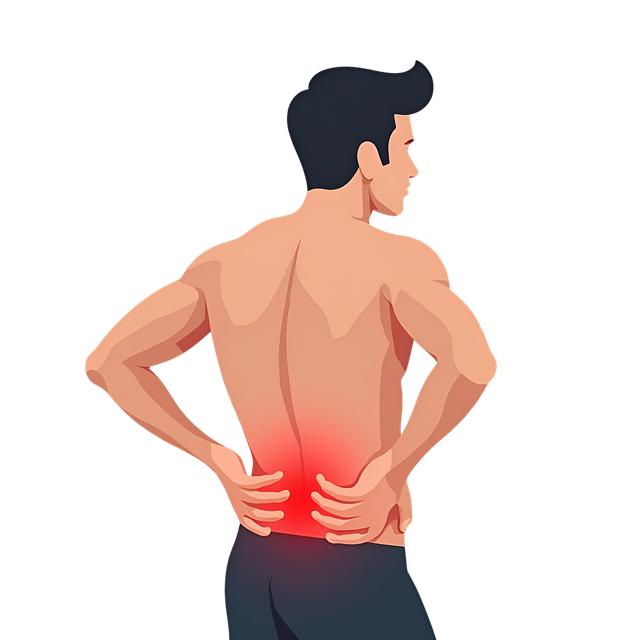
Lower back pain after sitting too long and how to ease it
Introduction
lower back pain is among the most prevalent health concerns globally, affecting millions of individuals across various age groups and lifestyles.A leading contributor to this widespread issue is prolonged sitting, a modern reality in office environments, remote work, and sedentary lifestyles. According to the World Health Association (WHO), physical inactivity contributes substantially to the burden of disease, with approximately 60% to 70% of people spending extended hours seated each day. Lower back pain after sitting too long is therefore not just a localized discomfort but a public health concern linked to diminished productivity, reduced quality of life, and increased healthcare utilization. Understanding its pathology, risk factors, and management is vital for both individuals and health professionals.
Overview and Definition
Lower back pain (LBP), clinically referred to as lumbago, involves discomfort, stiffness, or soreness in the lumbar region-the area between the bottom of the rib cage and the gluteal folds. Acute lower back pain typically persists for less than six weeks, while chronic cases last beyond 12 weeks. Classification by anatomical involvement distinguishes:
- Axial back pain: Confined to the lower back.
- Radicular pain: Radiates to lower limbs due to nerve root involvement, as in sciatica.
- Referred pain: Originates from adjacent structures (e.g., pelvic organs).
The National Institutes of Health (NIH) reports that approximately 80% of adults experience lower back pain at some point in their lives, making it the leading cause of work-related disability worldwide. Extended sitting is strongly correlated with higher prevalence and severity of LBP, especially in sedentary occupations (PubMed).
Causes and Risk Factors
understanding the etiological factors behind lower back pain after sitting too long requires integrating anatomy, biomechanics, and epidemiology.
Mechanical and Biomechanical Causes
- Muscle Imbalances: Prolonged sitting, especially in poor ure, can weaken core stabilizers (abdominals, gluteals) and tighten hip flexors and hamstrings. This imbalance increases lumbar lordosis,straining the lower back (Harvard Health).
- Spinal Disc Compression: Extended sitting heightens intradiscal pressure, predisposing intervertebral discs to degeneration or herniation (Mayo clinic).
- Facet Joint Overload: Sitting can hyperextend or compress lumbar facet joints, especially if ure is poor, contributing to arthropathy.
physiological and Systemic Risk Factors
- Reduced Blood flow: Static sitting reduces perfusion to spinal structures and paraspinal muscles, facilitating ischemic pain and delaying metabolic waste removal (CDC).
- Obesity: Higher BMI increases mechanical load on the lumbar spine,exacerbating ural strains during sitting (NIH).
- Age-related Degeneration: Degenerative disc disease, common in aging populations, makes the lumbar spine less resilient to static loads (NHS UK).
behavioral and Environmental Factors
- Poor Ergonomics: Inadequate lumbar support, non-adjustable chairs, and improper workstation height can all provoke or worsen back pain (Healthline).
- Low Physical Activity: Sedentary behavior lowers muscular endurance and spinal versatility, key protective factors against lower back pain (Medical News Today).
Genetic and Comorbid Factors
- Genetic Susceptibility: Variants in genes affecting connective tissue resilience may predispose individuals to disc pathology (JAMA).
- Associated Conditions: Osteoporosis, inflammatory arthritis, or history of spinal trauma increase risk of lower back pain after sitting.

Symptoms and Clinical Presentation
Pain after sitting too long may manifest as:
- Dull, aching soreness-localized in the lumbar region, intensified upon standing after prolonged sitting.
- Stiffness-difficulty bending or moving the back after periods of inactivity.
- Radiation-in cases of nerve irritation, pain or tingling may extend to the buttocks or thighs (Mayo Clinic).
- Muscle spasms or cramping-especially after abrupt attempts to stand.
- Functional limitations-reduced ability to perform daily tasks, social, or vocational activities.
Red-flag symptoms such as severe, unremitting pain, neurological deficits, bowel/bladder changes, or systemic symptoms (fever, weight loss) warrant prompt medical attention (NIH StatPearls).
Pathophysiology: Impact of Prolonged Sitting
The lumbar spine is designed for dynamic motion, alternating cycles of loading and unloading. Prolonged static sitting disrupts this balance:
- Increased Intradiscal Pressure: Sitting in flexed positions raises lumbar disc pressure more than standing or lying, predisposing to annular tears or herniation (PubMed).
- Muscle Atrophy and weakness: Disuse causes ural and core muscles (multifidus, erector spinae) to weaken, further destabilizing the spine.
- Ligamentous Creep: Prolonged tension on lumbar ligaments leads to overstretching and micro-injuries, reducing passive stability (Harvard Health).
- Reduced Disc Nutrition: Intervertebral discs rely on movement for nutrient exchange; immobility worsens disc dehydration and degeneration.
Cellular studies confirm these biomechanical and biochemical disruptions can initiate or perpetuate chronic lower back pain syndromes (The Lancet).
Diagnosis: Clinical and Imaging Approaches
Diagnosing lower back pain due to prolonged sitting is primarily clinical and involves:
- Medical history: Onset, duration, and character of pain, pain-relieving or aggravating positions, occupational habits.
- Physical examination: Assessing spinal alignment, range of motion, muscle tenderness, neurological function.
- Occupational assessment: Ergonomic evaluation of workplace and sitting habits.
Diagnostic imaging (e.g., X-ray, MRI, CT) is reserved for severe, persistent, or complicated cases to assess for:
- Disc herniation
- Spinal stenosis
- Fractures or malignancy indicators
Routine imaging is discouraged in uncomplicated, acute cases (CDC NCHS).
How to Ease and Prevent Lower Back Pain After Sitting Too Long
Effective management integrates self-care, ergonomic changes, physical therapy, medical interventions, and-when appropriate-specialist referral. The following evidence-based strategies can reduce pain intensity, enhance function, and minimize recurrence.
1. Ergonomic Adjustments
- chair support: Use chairs with adjustable lumbar support and armrests. The lower back should maintain its natural curve (OSHA).
- Sitting ure: Align ears, shoulders, and hips; knees at or slightly below hip level; feet flat on the floor or on a footrest.
- Monitor height: Top of the screen at or just below eye level to avoid flexed neck ure.
- Frequent breaks: Stand or walk for 5-10 minutes every 50-60 minutes of sitting (Healthline).
2. therapeutic Exercises and Physical Activity
- Stretching: Gentle hamstring, hip flexor, and lower back stretches improve flexibility and relieve stiffness.
- Core strengthening: Exercises like planks, pelvic tilts, and bridges build supportive muscle strength (NHS UK).
- Low-impact aerobic activity: Walking, swimming, or cycling promotes spinal health.
3. Physical Therapy Modalities
- Manual therapy: Mobilization and soft tissue massage can relieve muscle tightness and restore mobility (PhysioPedia).
- Education: Back care classes and physiotherapy programs provide practical strategies to empower long-term self-management.
4. Home and Lifestyle Interventions
- Hot or cold packs: Can reduce pain and inflammation, especially in acute episodes (MedlinePlus).
- Weight management: maintaining a healthy BMI decreases lumbar loading.
- Sleep hygiene: Use supportive mattresses and pillows to preserve spinal alignment at night (Sleep Foundation).
5.Pharmacological Options
- Analgesics: Over-the-counter acetaminophen or NSAIDs (ibuprofen, naproxen) may relieve mild to moderate pain.
- Topical analgesics: Creams or patches containing menthol or capsaicin can be beneficial, particularly for muscle pain.
- Prescription therapies: Reserved for cases unresponsive to conservative measures (consult with healthcare provider).
6. Mind-Body and Complementary Approaches
- Mindfulness and relaxation techniques: Yoga,meditation,or cognitive-behavioral therapy (CBT) may decrease pain perception and promote functional recovery (Harvard Health).
- Acupuncture: Some evidence supports its use for chronic back pain,though mechanisms remain under examination (PubMed).
Medical and Surgical Management
Most cases of lower back pain after prolonged sitting respond well to self-care and conservative therapy. However, referral to pain specialists or spinal surgeons may be needed if:
- Symptoms persist >6 weeks despite optimal non-invasive therapy
- Neurological deficits develop (e.g.,weakness,numbness,bowel/bladder dysfunction)
- Structural abnormalities (herniated disc,spinal stenosis) identified on imaging
Potential interventions include:
- Epidural steroid injections-for radicular pain or nerve compression
- Nerve ablation or electrical neuromodulation
- Minimally invasive discectomy or decompression surgery (in severe or refractory cases)
Appropriate selection and timing of these treatments should follow multidisciplinary assessment and evidence-based guidelines (NICE).
Prognosis and Long-term Outcomes
The outlook for lower back pain after sitting is generally favorable, especially with early intervention and prevention strategies. Most acute cases resolve within a few weeks, but up to 20% become chronic (CDC). Persistent pain often results from missed ergonomic issues or inadequate rehabilitation. Factors associated with poorer prognosis include:
- Sedentary work environments without activity breaks
- Coexisting anxiety, depression, or pain catastrophizing
- Underlying structural spinal pathology
Long-term management emphasizes ongoing activity, ergonomic vigilance, and psychosocial support.
Prevention: Best Practices and Recommendations
Prevention of lower back pain in a sedentary setting is as crucial as treatment. Evidence-based preventive strategies encompass:
- Workstation ergonomics: Individualized adjustments to support healthy ure during all work tasks (OSHA).
- Active breaks: Scheduled standing, short walks, or stretching at least once per hour (CDC).
- Workplace wellness programs: Group exercise, ergonomic training, and back care education reduce collective risk.
- Physical fitness: Regular aerobic and resistance exercise is protective (Harvard Health).
Employers should implement ergonomics policies and provide accessible resources for all staff.
FAQs: Common Questions About Lower Back Pain from Sitting
- Can sitting too long permanently damage the lower back?
- While most discomfort is reversible, chronic or extremely prolonged sitting with poor ure can contribute to degenerative changes, herniated discs, or nerve impingement (Mayo clinic).
- Should I use a standing desk?
- Alternating between sitting and standing throughout the workday can alleviate symptoms, but standing too long may cause other musculoskeletal issues. A balanced approach is recommended (Healthline).
- Does sitting cross-legged worsen lower back pain?
- Sitting cross-legged may increase pelvic asymmetry and spinal twisting, increasing strain on the lower back, especially if habitual (Harvard Health).
- when should I consult a doctor?
- Seek medical advice if pain persists beyond several weeks, is accompanied by meaningful neurological symptoms, or is associated with trauma, unexplained weight loss, or fever (Mayo Clinic).
Conclusion
Lower back pain after sitting too long is a significant contributor to global musculoskeletal morbidity. Its origin lies in the intersection of modern sedentary culture, poor ergonomics, and insufficient physical activity. Most cases can be effectively managed and prevented through ergonomic intervention, regular movement, therapeutic exercise, and health education. Seeking professional assessment ensures tailored care, particularly when pain is severe, persistent, or associated with concerning symptoms. Proactive adoption of evidence-based strategies can empower individuals to reduce pain, improve spinal health, and maintain quality of life.
References
- WHO: Physical Activity
- Harvard Health: The Problems of Sitting Too Much
- PubMed: Sedentary Behaviors and low Back Pain
- NHS UK: Back Pain
- Mayo Clinic: Herniated Disk
- CDC: Physical Inactivity
- NIH: Lower Back Pain Epidemiology
- MedlinePlus: Back Pain
- The Lancet: global Burden of Low Back Pain
- JAMA: Genetics of Chronic Back Pain
- Sleep Foundation: Sleeping with Back Pain
- OSHA: Ergonomics
- healthline: The problem with Sitting
- NICE: Low Back Pain and Sciatica Guidelines
- PubMed: Biomechanics of Sitting
- CDC: Back pain Statistics
- Healthline: Benefits of a Standing Desk
- PhysioPedia: Back Pain
- Mayo Clinic: Back Pain Symptoms
- Harvard Health: Yoga and Back pain
- NHS UK: 10-Minute Home Toning Workout
- Harvard Health: Exercises for Back Pain