
<img class="vimage_class" src="https://healthblog.s3.eu-north-1.amazonaws.com/wp-content/uploads/2025/10/25175252/43355.jpeg" alt="mental health first aid kit”>
How to Create a mental Health First Aid Kit at Home
Introduction
Mental health disorders are among the leading causes of disability worldwide, affecting approximately one in four people at some point in their lives, according to the World Health Association (WHO). Yet, many homes are equipped to handle physical injuries, while psychological distress often remains unaddressed until a crisis occurs. Establishing a mental health first aid kit at home can empower individuals and families to respond proactively to emotional and psychological challenges, much like a standard first aid kit aids with physical injuries. This article provides an evidence-based,step-by-step guide to creating a extensive and effective mental health first aid kit,with recommendations grounded in current clinical research and expert guidance.

What Is a Mental Health First Aid Kit?
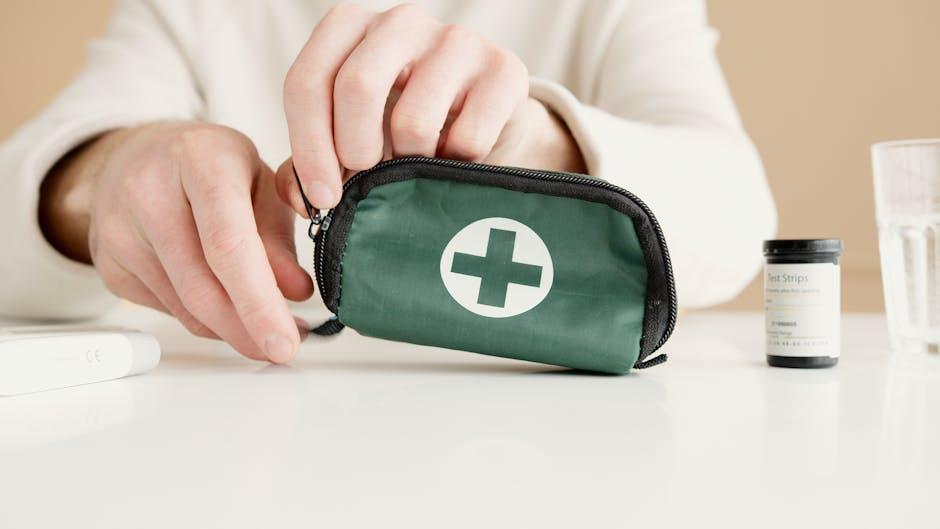
A mental health first aid kit is a collection of resources, tools, and coping strategies designed to support immediate and short-term psychological needs during emotional distress, crises, or the management of chronic mental health conditions. Unlike the metaphorical “first aid,” this kit is both a physical and digital resource, tailored to promote psychological resilience and facilitate crisis intervention until professional support can be accessed. According to the National Council for Mental Wellbeing, mental health first aid involves recognizing signs of mental health or substance use challenges and providing initial help while guiding individuals toward appropriate care.
Why You Need a Mental Health First Aid Kit
Psychological crises can occur unexpectedly, triggered by acute stress, trauma, bereavement, anxiety attacks, depressive episodes, or existing psychiatric diagnoses.The COVID-19 pandemic in particular illuminated the need for readily available tools to manage mental health emergencies within households (JAMA). A mental health first aid kit helps:
- Mitigate acute symptoms of anxiety, panic attacks, and suicidal ideation (NCBI).
- Stabilize emotional distress while professional help is sought.
- Foster self-management strategies and resilience in vulnerable individuals.
- Reduce stigma within families by normalizing mental health care.
These kits are also useful for households with children, adolescents, or elderly members experiencing loneliness, grief, or adjustment disorders (CDC).
Mental Health First Aid Kit: The Scientific Foundation
The composition and utility of a mental health first aid kit is underpinned by evidence-based first aid principles adapted to psychological health. Systematic reviews suggest that early intervention with coping tools and crisis-management resources can significantly improve outcomes during the onset of psychiatric symptoms or emotional crises (The Lancet). This proactive approach aligns with WHO recommendations for integrated mental health care at home and in the community.
Essential Elements of a Mental Health First Aid Kit
Your mental health first aid kit shoudl be tailored to individual and family needs, yet several core components are recommended by mental health professionals and leading organizations such as the National institute of Mental Health (NIMH). Below, we detail each component, its clinical rationale, and implementation guidance.
1. Emergency Contact List
- Include: Local crisis lines, psychiatric emergency services, suicide prevention hotlines, primary care providers, trusted relatives or friends, and mental health professionals.
- Rationale: Immediate access to emergency contacts during an acute crisis can expedite life-saving intervention and prevent escalation.
- References:
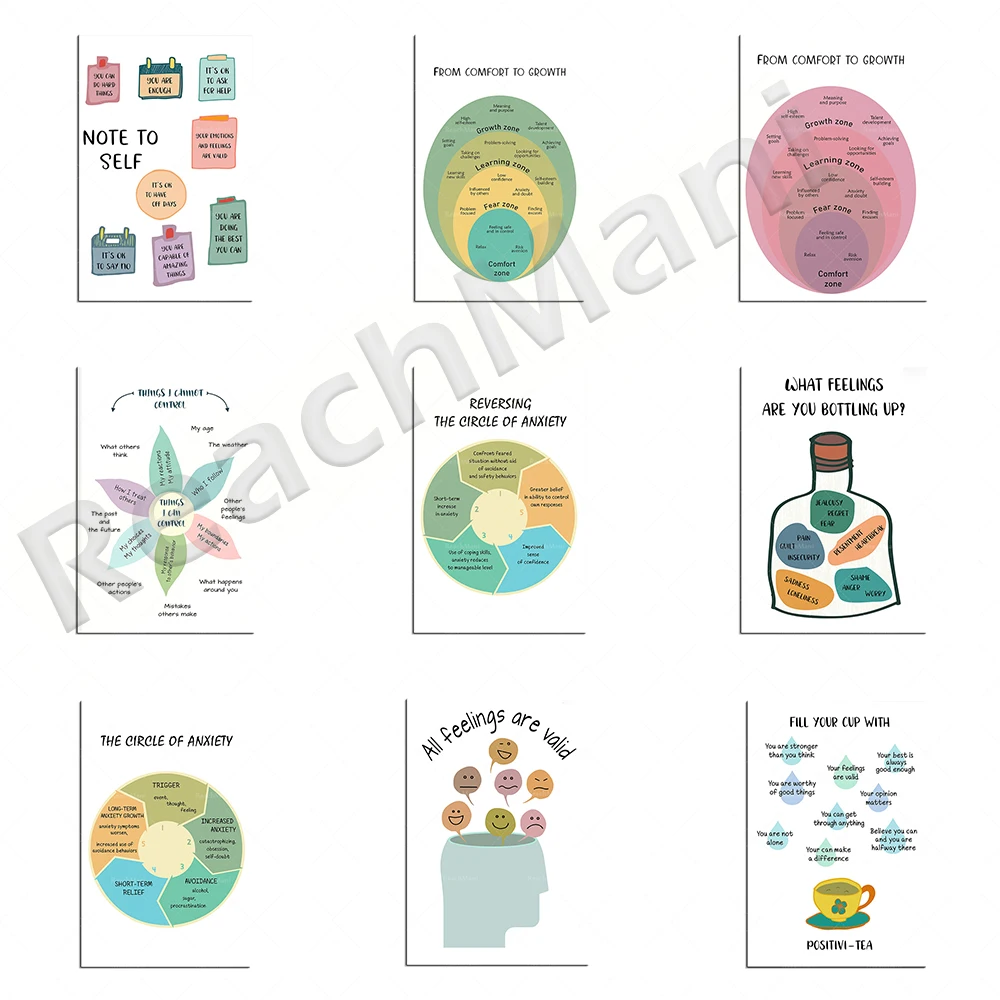
2. Personalized Coping Cards
- Include: Pre-written affirmation cards, grounding statements, reminders of <a href="https://uhealthies.com/how-to-reduce-anxiety-without-medication/” title=”How to reduce … without …”>coping skills (e.g., breathing exercises, visualization).
- Rationale: Grounding techniques and affirmations have shown efficacy in interrupting negative thought cycles and reducing the severity of panic attacks and acute stress (PMC).
3. Step-by-Step Self-Calming Protocols
- Include: Printed or digital guides describing diaphragmatic breathing, progressive muscle relaxation, or mindfulness meditation.
- Rationale: controlled breathing and muscle relaxation have robust evidence supporting their use in reducing physiological arousal and anxiety (Harvard Health).
4. Journaling Supplies
- Include: Notepad, pen, or digital journaling app recommendations.
- Rationale: Expressive writing is associated with improved emotional processing and reduction of psychological distress (NIH PMC).
5. Sensory Tools and Comfort Objects
- Include: Stress balls, sensory putty, weighted blankets, calming scents, or fidget tools.
- Rationale: Tactile and sensory-based interventions can help ground individuals during dissociation, panic, or agitation (PMC).
6. Psychoeducational Materials
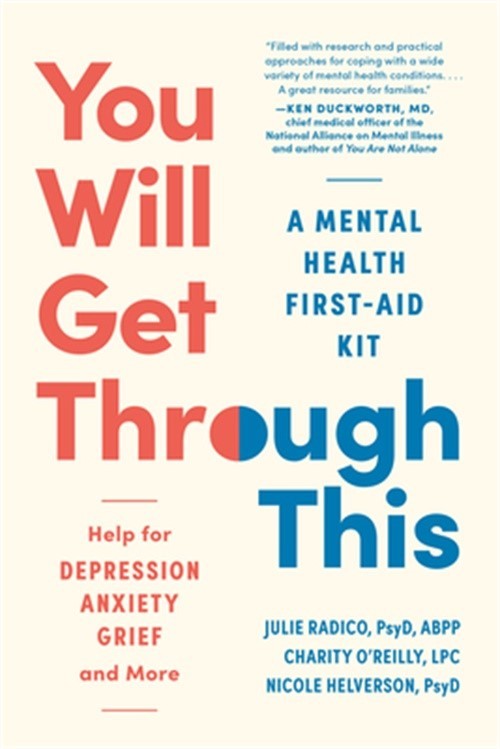
- Include: Brochures, printouts, or links to evidence-based information about anxiety, depression, suicide prevention, and coping strategies.
- Rationale: Accessible mental health literacy improves coping capacity and reduces stigma, facilitating help-seeking behaviors (NIH PMC).
7. Medication Reminders (if Prescribed)
- Include: Pill organizers, medication schedule charts, and emergency refills protocols.
- Rationale: Adherence to pharmacotherapy is essential for managing chronic psychiatric conditions (NIH PMC).
8. Calming Media and Digital Resources
- Include: Pre-loaded playlists of soothing music, guided meditations, or mindfulness apps.
- Rationale: Therapeutic use of music and guided meditation is validated for rapid reduction of anxiety and improvement of mood (NIH PMC).
9. Crisis Planning Materials
- Include: Copies of personal safety plan templates, advance directives, or wellness recovery action plans (WRAP).
- Rationale: Personalized crisis plans improve outcomes by guiding concrete actions during emergencies (NIH PMC).
10. Self-Care and Sleep Tools
- Include: Eye masks, herbal teas, sleep hygiene tip sheets.
- Rationale: Quality sleep and self-care practices are strongly linked to improved psychiatric well-being (Harvard Health).
Personalizing Your Mental Health First Aid Kit
While core components serve as a global foundation,personalizing your mental health first aid kit can maximize its effectiveness. Start by identifying unique stressors, cultural considerations, chronic conditions, and family members’ needs. Involving all household members in kit assembly fosters ownership and increases the likelihood of use during high-stakes moments (NIMH).Consider the following:
- Include age-appropriate materials for children,adolescents,or older adults (CDC Children’s Mental Health).
- Cater to sensory preferences (e.g., some may find weighted blankets soothing, others prefer music or textures).
- Adapt languages and formats for households with non-English speakers or those with visual/auditory impairments (NIH).
Step-by-Step Guide: Assembling the Kit
- Choose a Container: Select a portable, easily accessible bag or box that can be rapidly retrieved in emergencies.
- Prepare and Label Contents: Group similar items (e.g.,sensory tools,emergency contacts,educational materials) and label them clearly.
- Store in a Dedicated Location: Keep the kit in a central, visible place but secure from unsupervised children (especially if medications are included).
- Digital Supplementation: Save important numbers, wellness apps, and coping protocols to a shared cloud drive, smartphone, or email account for easy access.
- Regularly Update: Review and replenish kit contents at least quarterly or after significant family events (e.g., bereavement, diagnosis change).
The Role of Family and Caregivers
Family involvement is vital for the success of a mental health first aid plan. Caregivers trained in mental health first aid demonstrate improved efficacy in supporting loved ones during acute episodes (JAMA Psychiatry). Schools,workplaces,and community groups have begun adopting similar kits,highlighting their versatility beyond the home surroundings.
- Communicate with loved ones about the kit’s purpose and location.
- Practice scenarios so everyone feels agreeable using the kit.
- Encourage open discussions around mental health and stigma reduction (CDC).
When to Use the mental Health First Aid Kit
- During acute distress: Panic attacks,suicidal ideation,non-suicidal self-injury,agitation,or dissociative episodes.
- In the aftermath of trauma: Bereavement, relationship crisis, or exposure to violence (APA).
- To support ongoing self-care: As daily coping support for chronic anxiety, depression, or stress.
- While awaiting professional intervention: If immediate access to clinical support is delayed,the kit provides interim management tools.
What Not to Include: Safety Precautions and Limitations
A mental health first aid kit is not a substitute for professional diagnosis, therapy, or pharmacological management. It should not contain sedatives or controlled substances unless prescribed by a healthcare provider, nor should it promote unproven or alternative remedies that lack scientific backing (FDA). Careful monitoring of prescription medication storage and access is essential to ensure safety, especially in households with children or persons at risk of self-harm.

Practicing and Maintaining Skills: The Importance of Drills
Just as physical first aid proficiency depends on practice, familiarity with mental health kit contents is essential for effective use. Encourage household members to rehearse using grounding techniques, respiratory exercises, or role-play responding to anxiety or panic attacks (mental Health First Aid USA). Regular drills foster confidence during actual emergencies and reinforce positive coping habits.
Long-Term Benefits of Having a Mental Health First Aid Kit
- Faster response times to psychological crises in domestic settings.
- Reduced long-term morbidity by preventing symptom escalation.
- Greater family resilience and self-efficacy in managing stressors.
- Enhanced connection to clinical care by facilitating early intervention (CDC).
studies show proactive home management, including the use of mental health kits, is associated with lower healthcare utilization and improved symptomatology (PubMed).
Integrating Professional Help: When to Seek Clinical Intervention
The mental health first aid kit is a supplementary tool and not a replacement for professional evaluation. Immediate clinical intervention is necessary when:
- Symptoms of psychosis, mania, or severe depression are present.
- There is intent or plan for self-harm or suicide.
- symptoms persist or worsen over time despite use of the kit.
For help finding a mental health care provider, consult national directories such as NIMH or SAMHSA.
best Practices for Updating and Storing the Kit
To ensure ongoing efficacy,keep your kit up to date with the latest contact numbers,refreshed sensory tools,and current evidence-based psychoeducational materials. Remove expired or inappropriate materials, and routinely discuss updates with household members. remember to store the kit in a dry, temperate environment and out of reach of children if it contains medication or sharp tools (NHS).
Resources and Templates You Can Use
- Suicide Safety Plan Template (SPRC)
- NIMH: Talking with Your Health Care Provider
- Mind UK: Information Booklets
- Mayo Clinic: Medication management
Frequently Asked Questions (FAQs)
Can children and teens use a mental health first aid kit?
Yes. mental health first aid kits can be adapted for young users with simplified language, age-appropriate educational resources, and safe sensory tools. Involvement in kit creation is recommended to ensure developmental appropriateness
(CDC).
Is a mental health first aid kit appropriate for someone with a severe mental illness?
While a kit is not a substitute for clinical care, it provides valuable support for managing symptoms between appointments and during unexpected crises. All plans should complement ongoing treatment protocols and be overseen by a healthcare provider.
How often should the mental health first aid kit be updated?
Review kit contents every three months or after significant life events such as a new diagnosis, family trauma, or changes in household composition.
Are digital tools as effective as physical resources?
Studies suggest digital mental health tools-when evidence-based-can offer comparable benefits, especially for tech-savvy users (NIH PMC).However, physical sensory items remain important for immediate grounding during high emotional arousal.
Conclusion: The Role of Preparedness in Mental Wellness
Incorporating a mental health first aid kit into your home is a proactive, practical, and evidence-based step toward enhancing psychological safety and resilience for every member of your household. By assembling tailored resources,practicing intervention skills,and updating the kit routinely,families can foster a culture of mental health literacy and preparedness. Remember, while a mental health first aid kit empowers short-term management and supports long-term wellness, timely engagement with mental health professionals remains indispensable for effective treatment and recovery.
For the latest evidence-based guidance on mental health, visit authoritative resources such as the World Health Organization, National Institutes of Health, and Centers for Disease Control and Prevention.