
Introduction
The use of generic medications is a cornerstone of modern healthcare and a critical strategy for ensuring broad public access to essential therapies. According to the U.S. Food and Drug Governance (FDA), nearly 90% of all prescriptions dispensed in the United States are for generic medicines. As healthcare costs rise and patients seek more affordable options, understanding the implications, benefits, and potential considerations of switching from a brand-name to a generic drug is not only a matter of personal health, but also a vital public health discussion. However, misconceptions about the efficacy, safety, and quality of generics persist, sometimes fueling hesitancy or uncertainty. This comprehensive guide, based on scientific evidence and best-practice guidelines, aims to clarify what patients, caregivers, and healthcare professionals need to know before making the switch to a generic medication.
What Are Generic Medications?
Generics are pharmaceutical drugs designed to be equivalent to their brand-name counterparts in dosage form, strength, route of administration, quality, performance characteristics, and intended use. Their introduction has transformed healthcare by dramatically reducing medication costs and increasing access to key treatments. Generic drugs must contain the same active ingredient—and meet rigorous standards—established by regulatory agencies such as the FDA and the European Medicines Agency (EMA).
- Active Ingredients: Identical in type and amount to those in the reference (brand) drug (source).
- Excipients: Inactive components (binders, coloring agents) may differ but must be proven non-inferior in safety and function.
- Regulatory Oversight: Approvals require bioequivalence testing and GMP (Good Manufacturing Practice) compliance (source).
The Science Behind Generic Drug Approval
Before a generic medication can reach patients, it must pass stringent regulatory evaluations. The critical benchmark is bioequivalence. Bioequivalence means that, when ingested, the generic produces the same amount of the active substance in the bloodstream, at the same rate, as the brand-name medication (Harvard Health).This ensures therapeutic equivalence and is basic to patient safety and therapeutic continuity.
Key Approval Criteria
- pharmacokinetic Equivalence: Key measures include the area under the curve (AUC) and peak plasma concentration (Cmax). Generics must fall within 80-125% of the brand product values (FDA).
- Quality Controls: Manufacturing processes, batch-to-batch consistency, and facility inspections are mandatory.
- -Marketing surveillance: Ongoing monitoring for adverse reactions and product recalls preserves public safety (EMA).
Brand-Name vs. Generic Medications: Key Comparisons
| Criteria | Brand-Name Drugs | Generic Drugs |
|---|---|---|
| Active Ingredient | Original, patented compound | Identical compound |
| Inert Ingredients | Proprietary formula | May differ, but tested for safety |
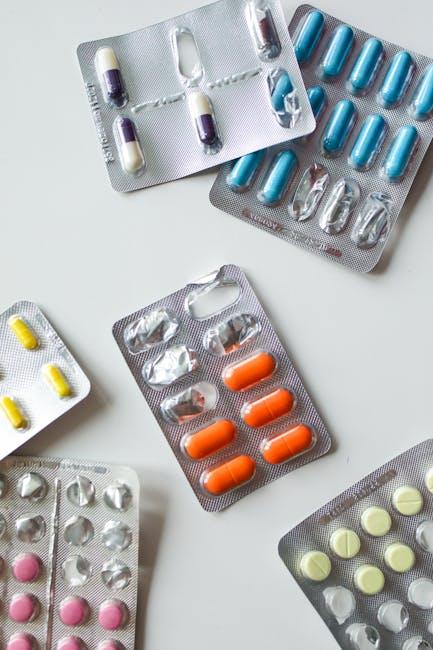
| Appearance | Distinct shape, color, design | May have different appearance |
| Cost | Generally higher | Substantially lower |
| Regulatory Oversight | Stringent approval process | Equivalent regulatory requirements |
| clinical Efficacy | Proven by large clinical trials | Proven through bioequivalence trials |
Why Are Generic Medications More Affordable?
One of the most compelling reasons for switching to generics is cost savings. The Centers for Disease Control and Prevention (CDC) reports that financial barriers still prevent many Americans from filling essential prescriptions. Generics offer robust cost benefits as manufacturers do not repeat expensive animal studies or clinical trials already conducted by the innovator company. Furthermore, increased competition drives prices down, benefiting payers, patients, and healthcare systems overall. The economic impact is studied extensively, with analyses by organizations such as Harvard Health Publishing confirming that generic drugs can be 80% to 85% less expensive than their branded counterparts.
Clinical Effectiveness: Do Generics Work as Well?
Numerous systematic reviews and large-scale studies confirm that, in most cases, generic medications are clinically interchangeable with brand-name products (JAMA). The FDA routinely inspects generic medications for equivalence and safety through pre-market and -market surveillance. Exceptions may arise with narrow therapeutic index (NTI) drugs, were tiny changes in blood concentration can affect efficacy or safety. Examples include warfarin, levothyroxine, and some anti-epileptic drugs. For most drugs, though, head-to-head comparisons demonstrate little to no difference in therapeutic outcomes, adverse event rates, or patient satisfaction (NIH review).
Common Concerns and Misconceptions About Generics
Despite robust evidence, common myths and uncertainties persist, which may deter some patients from switching. Addressing these concerns with facts is pivotal:
- Generics are less effective or of lower quality: This is not substantiated by evidence (Healthline). Regulatory authorities enforce strict standards for both quality and effectiveness.
- The inactive ingredients may cause side effects: While excipients may differ, comprehensive testing ensures safety. Allergic reactions or intolerance are rare but should be discussed with a healthcare provider.
- Switching leads to adverse reactions or loss of therapeutic control: For most drugs, this risk is minimal, but closer monitoring may be advised with NTI medications (NIH).
- Different appearance means different effect: Color or shape may change,but does not impact the drug’s function.

Therapeutic Equivalence: When Caution Is Warranted
Certain clinical scenarios require enhanced vigilance when switching to or between generics:
- Narrow Therapeutic Index Drugs: Medications like warfarin,carbamazepine,lithium,and digoxin have a small margin between therapeutic and toxic doses. slight differences can yield major consequences (NIH).
- Chronic conditions: For those with epilepsy, thyroid disorders, or organ transplants, more frequent monitoring might potentially be needed after a switch (Epilepsy Foundation).
- Patient-Specific factors: History of allergies to excipients, previous loss of efficacy during generic switches, or polypharmacy are valid reasons for personalized assessment.
It is crucial for clinicians and patients to collaborate and communicate openly. Whenever a switch is made, adequate monitoring—such as laboratory tests and clinical follow-up—can help ensure continued safety and effectiveness (mayo Clinic).
How to Safely Transition to a Generic Medication
- Consult Your Healthcare Provider: Always discuss potential switches with your physician or pharmacist. Inform them of your full medication list and any prior adverse drug experiences (MedlinePlus).
- Monitor Your Symptoms: Keep a symptom diary, especially when transitioning drugs for chronic conditions.
- Laboratory Monitoring: For drugs requiring therapeutic drug monitoring (e.g., warfarin, anti-epileptics), additional laboratory tests might potentially be advised after switching.
- recognize New Packaging: Be aware that pill color and shape may differ, but labels should clearly indicate the active ingredient and dose.
- Report Adverse Events: Notify your healthcare provider and use reporting systems such as FDA MedWatch if unexpected side effects occur.
Proactive communication between patient, pharmacist, and prescribing provider is the foundation for a safe and successful transition.
The Role of Pharmacists in Generic Substitution
Pharmacists are on the front lines of generic substitution, guided by national or regional regulations. In many jurisdictions, pharmacists have the authority to substitute a generic for a brand unless specifically forbidden by the prescription (NIH study). Pharmacists conduct medication reconciliation, provide patient counseling, and monitor for potential drug-drug interactions. Their expertise is essential, especially for complex patients or those on multiple medications. Patients are encouraged to ask pharmacists about:
- Differences in drug appearance
- Dosage instructions and special considerations
- Potential interactions or allergies
- Cost-saving opportunities and insurance coverage
Insurance and Policy considerations
Most health insurers and national health systems heavily promote the use of generics to control costs and maximize access (NHS). Patients frequently enough find that their copays are lower for generics, while brand-name drugs may require special authorization or higher out-of-pocket contributions. However, coverage varies by region, drug class, and insurance plan. Pharmacists and patient advocates can help clarify formulary coverage and navigate any access barriers.
Government policies (such as the Hatch-Waxman Act in the U.S.) have established pathways for more timely generic entry, increasing affordability across health systems.
Special Populations: Pediatric, Geriatric, and Complex Cases
Certain populations require extra care with medication switches:
- Pediatric Patients: Children may be more sensitive to changes in formulation. Dosage devices and palatability may vary between generics and brands (WHO).
- Older Adults: Polypharmacy increases the risk of interactions or confusion due to changes in pill color/shape.
- Patients with Multiple Comorbidities: Can be at higher risk for adverse outcomes. Detailed medication reviews and enhanced monitoring are warranted.
Regulatory Oversight and global Perspectives
Regulatory confidence in generics extends around the world. Agencies like the FDA, EMA, TGA (Australia), and WHO maintain rigorous standards and conduct audits of manufacturers. Counterfeit drugs and inconsistent quality remain concerns in some low-resource settings, emphasizing the importance of sourcing medications from reputable pharmacies.
Potential Risks and Downsides
While generics are overwhelmingly safe and effective, no switch is entirely risk-free. Adverse events can arise from:
- Allergic reactions to excipients: Dye or filler intolerance, while rare, may occur—especially in patients with known hypersensitivities.
- Bioavailability Variations: Even though within regulatory limits, slight differences may have clinical meaning for NTI drugs.
- Patient Confusion: Different package appearance or tablet shape can inadvertently lead to dosing errors or nonadherence (CDC Med safety).
- Substandard or Counterfeit Drugs: Only occurs with unregulated suppliers. Buy only from reputable pharmacies.
Checklist: Questions to Ask Before Switching
- Is this medication considered safe for switching to a generic?
- Do I need additional lab monitoring after the switch?
- Does my insurance require a generic substitution?
- Are there inactive ingredients in the generic that I’ve reacted to before?
- How will the new pill look, and what should I watch for?
- Whom do I contact if I experience new or worsening symptoms?
Patient Testimonials and Clinical Case Studies
Peer-reviewed studies and patient narratives alike indicate high rates of satisfaction with generics. For example, a systematic review published in JAMA demonstrated no critically important difference in therapeutic efficacy, acceptability, or side effect profiles for most generic switches. Patient support, education, and easy access to medical advice help further minimize anxiety and maximize adherence.
Tips to Foster a Seamless and Safe Transition
- Keep an updated,written list of all your medications—generic and brand-name alike.
- Review your medication list with your healthcare provider and pharmacist during each visit.
- Store generics and brands in original, labeled packaging to prevent confusion.
- If you notice new side effects or loss of therapeutic control, contact your healthcare provider immediately.
- Consider pill organizers for complex regimens, but do not mix generics and brands in the same compartment.
Dispelling the Myths: Key Takeaways on Generics
- Generics are clinically proven to be as safe and effective as brand-name drugs for the immense majority of patients and conditions.
- The overwhelming majority of generic switches proceed without incident—but open dialog and follow-up are important for those at higher risk.
- Consultation and monitoring are especially important in the context of NTI drugs, pediatric and geriatric care, and complex comorbidities.
- Cost savings on generics can make long-term therapy more enduring and accessible—driving better health outcomes across populations.
Conclusion
Switching to a generic medication is a well-supported, safe, and frequently enough cost-saving healthcare strategy for most patients worldwide. Understanding the scientific standards, regulatory requirements, and best practices for the transition empowers patients and providers to make data-driven, informed decisions. While isolated contexts may warrant extra attention, especially with NTI drugs or complex medical histories, robust evidence affirms the value of generics and dispels myths around quality and efficacy. Collaboration between patients, clinicians, and pharmacists is central to ensuring a safe and seamless experience. With vigilance and open communication, switching to a generic can support both your health and your financial wellbeing.
Further Reading and Key Resources
- FDA: Generic Drugs—Questions & Answers
- EMA: Generic Medicinal Products
- Harvard Health Publishing: Generic Drugs—Are they safe and effective?
- NIH: Are Generic Drugs Equivalent to Brand Drugs?
- NHS: What Are Generic Medicines?