
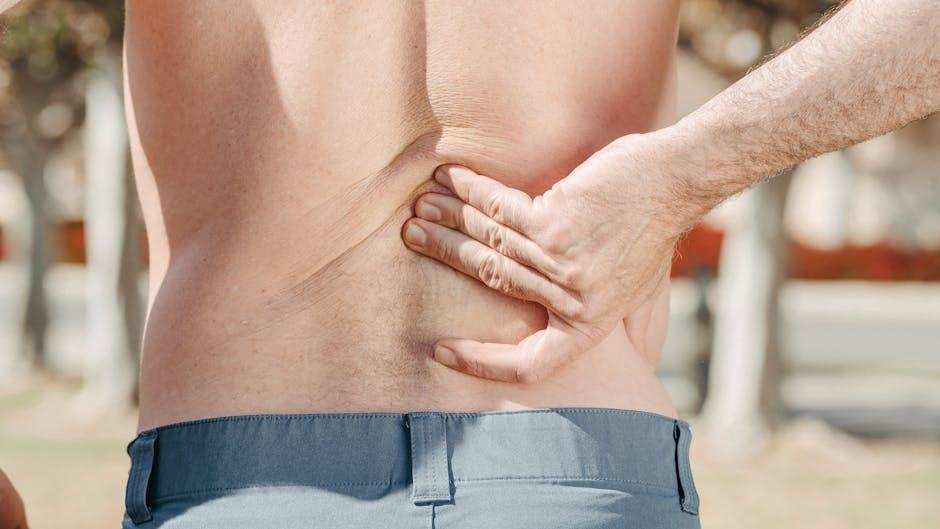
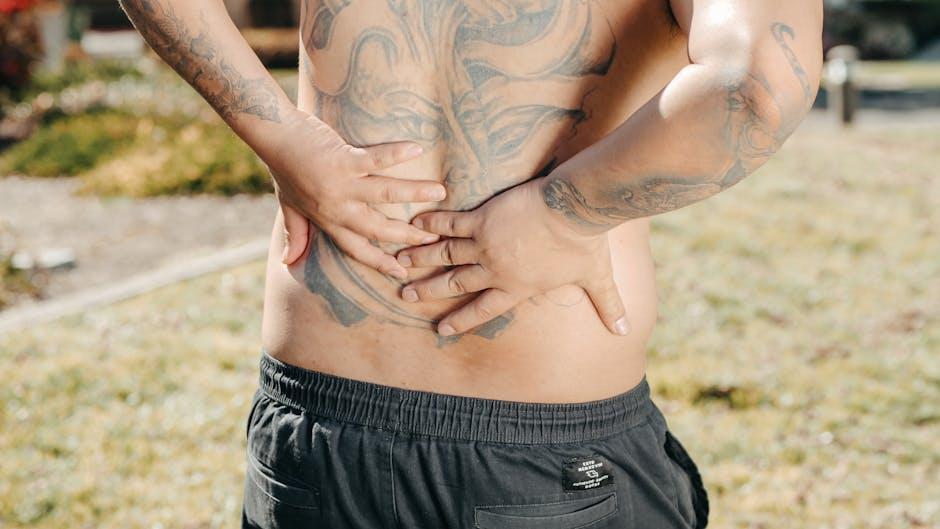
 lower back pain“>
Lower back pain and how daily ure plays a role
Introduction
Lower back pain is among the most prevalent musculoskeletal disorders faced by peopel worldwide. As a leading cause of disability and reduced quality of life, this condition not only burdens individuals but also imposes notable socioeconomic costs on healthcare systems and workplaces. According too the World health Association (WHO), approximately 619 million people live with lower back pain globally—a number expected to rise in the coming decades.The influence of daily ure on the growth and aggravation of lower back pain is a critical yet frequently enough underestimated factor.A thorough understanding of how everyday habits contribute to back pain is essential to developing preventive and therapeutic interventions for this widespread concern.
Overview and Definition
Lower back pain, medically termed as lumbago or lumbar pain, is defined as pain localized between the lower rib margin and the gluteal folds. It might potentially be classified as acute (lasting less then 6 weeks), subacute (6–12 weeks), or chronic (over 12 weeks), based on duration. Lower back pain can arise from multiple sources, including muscles, ligaments, vertebral joints, intervertebral discs, and neural elements of the lumbar spine.According to research published by the National Institutes of Health (NIH), non-specific lower back pain—pain without a specific identifiable cause—accounts for up to 85% of all cases.
This condition is highly prevalent, with lifetime incidence rates reported as high as 80% in some populations (PubMed). The lumbar spine bears most of the load in daily activities, making it especially susceptible to mechanical stress and injury. Classification systems, such as the ICD-10, distinguish between non-specific low back pain and back pain due to identifiable pathologies—such as degenerative disc disease, herniated discs, spinal stenosis, or spondylolisthesis.
Causes and Risk Factors
Lower back pain emerges from complex interactions between genetic, biological, behavioral, and environmental factors. Recognized causes include:
- Muscle and ligament strain: Repetitive lifting, poor ure, or sudden movements may strain spinal ligaments and muscles, triggering lower back pain (Mayo Clinic).
- Intervertebral disc degeneration: Age-related wear and tear on the discs can lead to loss of cushioning, herniation, or bulging, which may compress nearby nerves.
- Structural abnormalities: Vertebral malalignment (scoliosis, kyphosis), spinal stenosis, or spondylolisthesis contribute to mechanical and neuropathic pain (Harvard Health).
- Inflammatory and infectious conditions: Osteoarthritis, ankylosing spondylitis, or spinal infections may cause lower back pain via local inflammation or tissue destruction.
- Other medical conditions: Osteoporosis increases fracture risk, while renal colic, endometriosis, and tumors may present with referred lower back pain.
- Risk factors: Sedentary lifestyle, occupational hazards (prolonged sitting, heavy lifting), smoking, obesity, psychological stress, and poor ergonomics dramatically increase susceptibility.
While genetics and degenerative changes are non-modifiable, ural habits and workplace ergonomics represent critical modifiable risk factors retrievable through conscious intervention (Mayo Clinic).

The Relationship Between ure and Lower Back Pain
ure refers to the position and alignment of the body while sitting, standing, or moving.prolonged maintenance of non-neutral (suboptimal) ures, such as slouching, forward head ure, or excessive lumbar flexion/extension, imposes abnormal mechanical loads on the spine. Over time, this can result in microtraumas, muscular imbalances, intervertebral disc stress, and ultimately persistent lower back pain (Healthline).
Notably, daily ure influences force distribution across the lumbar discs and facet joints. A neutral spine maintains physiological lumbar lordosis, facilitating optimal shock absorption and muscle engagement. In contrast, prolonged flexion (slumping) pushes intervertebral discs eriorly, increasing the risk of herniation, while excessive extension can strain erior ligamentous structures (NIH).
Epidemiology: prevalence and Population Risk
Lower back pain is frequently cited as the most common cause of activity limitation in people under 45, and the leading cause of absenteeism and early retirement globally (The Lancet). Prevalence varies by region, sex, and occupation, but studies consistently report a lifetime prevalence of 60–80% and an annual prevalence of approximately 15–45%. Office workers, healthcare professionals, and manual laborers are at particularly high risk due to long hours of sitting, repetitive lifting, or ergonomic shortfalls (CDC).
Aging, physical inactivity, obesity, and chronic psychological stress further amplify risk. Research underscores that lower back pain begins as early as adolescence, highlighting the importance of early intervention and preventive strategies focused on ure and ergonomics (JAMA Network).
pathophysiology: How Poor ure Affects spinal Structures
The lumbar spine consists of vertebrae, intervertebral discs, facet joints, ligaments, and an array of muscles providing dynamic support. Poor ure interferes with protective biomechanical processes, leading to several adverse outcomes:
- Discogenic pain: Slouched or flexed ures elevate anterior disc pressure, promoting disc bulging and herniation.Repetitive microtrauma and inadequate rest amplify disc degeneration (NIH).
- Myofascial pain: Poor static or dynamic ure causes certain muscles (e.g., erector spinae, quadratus lumborum) to become hyperactive, fatigued, or shortened, increasing myofascial trigger point formation and pain.
- Facet joint overload: Rounded sitting or standing ures stress erior spinal elements, increasing likelihood of facet joint inflammation and lower back pain (PubMed).
- Nerve root compression: Chronic ure-induced changes may decrease intervertebral foraminal height, risking nerve impingement and radiating pain (radiculopathy).
- Ligamentous strain: sustained abnormal ures induce elongation or laxity in the erior longitudinal ligament and other stabilizers.
Collectively, these changes heighten tissue sensitivity, alter movement patterns, and may perpetuate a cycle of pain and dysfunction.
Common daily ures Leading to Lower Back Pain
Numerous habitual ures are implicated in the onset and exacerbation of lower back pain. Understanding these can guide corrective strategies and inform ergonomic interventions.
Sitting ure
Prolonged sitting, particularly with a slumped back or unsupported pelvis, is a primary risk factor for low back pain. Office workers are especially vulnerable. Poor sitting ure reduces lumbar lordosis, increases disc pressure, and leads to static muscle loading (Healthline).
Standing ure
Extended standing with uneven weight distribution—such as leaning onto one leg, hyperextending the knees, or arching the lower back—places asymmetric loads on the spine and predisposes to pain, particularly among retail, health, or industrial workers (NHS).
Lifting and Manual Handling
Bending or twisting to lift objects without appropriate technique or ergonomic support can rapidly injure the lower back,causing ligament sprains,muscle strains,or disc herniations. The repetitive use of improper technique in occupational or household settings is a significant contributor to cumulative back injury (OSHA).
Sleep ure
Certain sleep positions, such as stomach sleeping or sleeping on an unsupportive mattress, can increase lumbar strain and interfere with spinal alignment. Chronic sleep ure problems may perpetuate morning stiffness and pain (Medical News Today).
Diagnostics and Clinical Evaluation
A thorough medical evaluation is crucial for distinguishing non-specific lower back pain from conditions requiring targeted interventions. Diagnostic protocols typically include:
- History and Physical Examination: Assessment of pain characteristics,onset,duration,aggravating/relieving factors,functional limitations,and red-flag symptoms (neurological deficits,fever,weight loss).
- ural Assessment: Evaluation of static and dynamic ure, gait analysis, and muscle adaptability/strength testing (Mayo Clinic).
- Imaging Studies: Reserved for cases with suspicion of structural, infectious, or neoplastic causes. Modalities include X-ray, MRI, or CT scan as clinically indicated (NIH).
Careful differentiation is vital, as many patients with lower back pain improve spontaneously and do not require extensive diagnostic workup.
Evidence-Based Prevention Strategies
Preventing lower back pain—and its recurrence—requires a multifaceted approach rooted in evidence-based interventions. Emphasis is placed on modifying daily ure, integrating ergonomic principles, and promoting spinal health through movement.
Optimal Sitting Ergonomics
Use a chair with lumbar support or a specially designed cushion to maintain normal lordosis.
Keep feet flat on the floor and knees at or slightly below hip level.
Avoid prolonged sitting—stand, stretch, or walk every 30–60 minutes.
Adjust screen height so the top is at or just below eye level, reducing the tendency to hunch (CDC).
Correct Standing and Movement Habits
Stand upright with shoulders rolled back and feet hip-width apart, distributing weight evenly.
Engage core muscles when standing for extended periods, and shift weight periodically.
when lifting, bend at the knees and hips—keeping back straight—and avoid twisting.
Ergonomic Sleep Practices
Use a firm mattress and pillow that keep the spine aligned.
Favor side or back sleeping with pillows placed to support natural curves (Harvard Health).
physical Activity and Exercise
routine exercise, including targeted core strengthening, flexibility, and aerobic conditioning, has demonstrated significant protective effects against lower back pain. Programs emphasizing neutral spine awareness, such as Pilates, yoga, and physiotherapy-based interventions, are highly recommended (NIH).
Workplace and Environmental Modifications
Employers and individuals should collaborate to optimize workstation ergonomics and promote active breaks. Simple changes, such as using sit-stand desks or ergonomic footrests, can yield significant benefits in musculoskeletal health (OSHA).
Therapeutic Protocols and Management
Treatment is guided by the underlying cause, duration, and symptom severity. Non-pharmacologic interventions are first-line for most cases of non-specific lower back pain associated with ure:
- Exercise therapy: Physical therapy modalities focus on core stabilization,flexibility,strength,and functional retraining (Cochrane Review).
- Manual therapy: Mobilization and manipulation may temporarily relieve pain but should be part of a comprehensive plan.
- Cognitive behavioral therapy (CBT): Addresses maladaptive beliefs about pain and promotes coping, shown to improve outcomes in chronic cases (Harvard Health).
- Medications: Analgesics, anti-inflammatories, and muscle relaxants might potentially be used for short-term symptom relief under physician supervision.
- Invasive procedures: Reserved for refractory cases, involving nerve blocks, epidural injections, or surgical intervention if indicated by structural pathology.
Prognosis and Long-Term Outlook
most cases of lower back pain improve within days to weeks with conservative management and do not result in long-term disability. However, recurrence rates remain high—up to 70% in some cohorts—underscoring the importance of ongoing preventive strategies and ure education (PubMed).
Early intervention,adherence to ergonomic recommendations,and a multidisciplinary approach (including occupational health,physiotherapy,and behavioral support) are key to optimizing long-term outcomes.
When to Seek Medical Attention
Red-flag symptoms indicating urgent evaluation include:
- Severe or progressive neurological deficits (weakness, numbness, incontinence)
- Unexplained weight loss, fever, or recent trauma
- History of cancer, immunosuppression, or osteoporosis
Prompt recognition and referral improve prognosis for serious underlying conditions presenting with lower back pain (Mayo Clinic).
Conclusion
Lower back pain is a multifactorial disorder intimately linked to daily ure and habitual movement patterns.By understanding the biomechanical effects of poor ure and integrating ure education, ergonomic adjustments, and regular exercise, individuals and communities can dramatically reduce the burden of this pervasive condition. Ongoing public health initiatives targeting workplace and behavioral risk factors are paramount in reducing the incidence, recurrence, and disability associated with lower back pain.
Those experiencing persistent or severe symptoms should consult a healthcare professional for individualized assessment and evidence-based management. For further information on best practices regarding lower back health and ergonomic principles, consult your local health authority or international organizations such as the World Health Organization or the Centers for Disease Control and Prevention.