

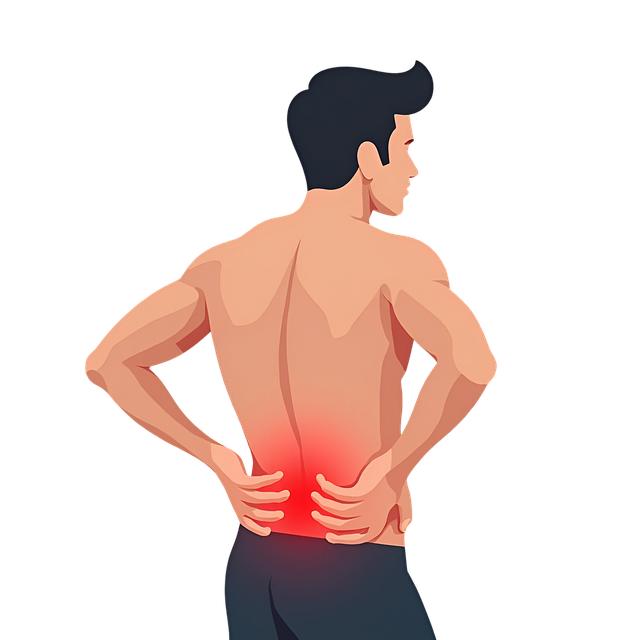
Why lower back pain feels different from other body pain
introduction
Lower back pain is one of the most commonly reported health complaints worldwide, significantly impacting quality of life, productivity, and healthcare resources. According to the World health Organization (WHO), lower back pain is the leading cause of disability globally, affecting more than 619 million people as of 2020. For many individuals, lower back pain feels different from other body pain—it often has unique sensations, limitations, and clinical implications. Understanding why lower back pain is distinct is crucial for patients, clinicians, and researchers seeking targeted approaches to treatment, rehabilitation, and prevention.
Overview and definition
Clinically, lower back pain (LBP) refers to discomfort, ache, or stiffness localized to the region between the lower rib margins and the gluteal folds, generally corresponding to the area of the lumbar vertebrae. It may radiate to the legs, buttocks, or pelvis and can be classified based on duration as acute (less than 6 weeks), subacute (6–12 weeks), or chronic (more than 12 weeks), as per NIH consensus guidelines.
LBP is a syndrome rather than a single disease, with diverse etiologies that include mechanical, neuropathic, inflammatory, and less commonly, neoplastic or infectious causes. It primarily affects the musculoskeletal, nervous, and sometimes urogenital systems. Epidemiological data from the Centers for Disease Control and Prevention (CDC) estimate that nearly 25% of adults worldwide experience lower back pain at some point in their lives, making it a leading reason for physician visits, sick leave, and disability claims.
Causes and Risk factors
The etiology of lower back pain is multifactorial and often interlinked with individual genetics, environmental exposures, occupational hazards, and modifiable behaviors. The pathophysiology varies across causes,which can be broadly grouped as follows:
- Mechanical/Structural Causes: Common sources include lumbar muscle strain,ligament sprains,herniated intervertebral discs,degenerative disc disease,facet joint arthropathy,and spinal stenosis. These result from repetitive microtrauma, poor ure, or acute injuries. For example,disc herniation can compress adjacent nerve roots,leading to radicular pain (Mayo Clinic).
- Neuropathic Sources: Involvement of spinal nerves or the spinal cord, such as sciatica, causes sharp, shooting, or radiating pain that is unique to the lower back region.
- Inflammatory Disorders: Conditions like ankylosing spondylitis and other seronegative spondyloarthropathies cause protracted inflammation and stiffness, often distinguished by morning pain that improves with movement (Healthline).
- Systemic Disease: Less commonly,infections (e.g., osteomyelitis), malignancies (e.g., metastatic cancers), or visceral referred pain (e.g., kidney stones, pelvic disorders) may mimic or complicate lower back discomfort.
- Psychosocial Factors: Chronic stress, depression, and anxiety have been implicated as both causes and consequences of persistent lower back pain, underscoring its biopsychosocial character (PubMed).
Major risk factors include aging (degenerative changes), sedentary lifestyle, obesity, heavy physical work, smoking, and poor ergonomics. Genetic susceptibility—such as a family history of disc degeneration—also plays a measurable role (Medical News Today).

How Pain Is Perceived: Neurobiology of Sensation
Pain is a complex perceptual phenomenon involving transduction, transmission, modulation, and perception. Sensory receptors called nociceptors detect tissue damage or potential harm and transmit electrical signals via peripheral nerves to the spinal cord and brain (NIH Bookshelf).
The lumbar spine’s intricate neuroanatomy contributes to the distinct nature of lower back pain compared to other areas:
- Segmental Innervation: The lower back is richly innervated by the lumbar and sacral spinal nerves, including the sciatic nerve, supplying both deep muscles and overlying skin.
- Convergence Projection: Sensory neurons from different structures (muscles, joints, discs, ligaments, skin) converge onto the same dorsal horn neurons in the spinal cord. This convergence can result in poorly localized, diffuse, or deep-rooted sensations unique to the lower back (pain Journal).
- Central Modulation: The brain’s response to lower back pain involves areas governing emotion, movement, motivation, and memory (limbic system, prefrontal cortex), making the pain experience more intense, distressing, or disabling.
These neurobiological distinctions partly explain why lower back pain can feel duller,aching,or more debilitating than more acute or sharply localized pain found elsewhere in the body.
Anatomical Uniqueness of the Lower Back
The lumbosacral region offers unique anatomical features that influence the nature of its pain. Key characteristics include:
- Weight-bearing Role: The lumbar spine supports the upper body’s weight and transmits loads during movement, making it prone to mechanical overload and microtrauma (Harvard Health).
- Complex Structure: The region contains intervertebral discs, facet joints, paraspinal muscles, ligaments, and nerve roots in close proximity, all of which can generate or amplify pain.
- Movement Complexity: The lumbar region is involved in multiple motions (flexion, extension, rotation, lateral bending), increasing its vulnerability to strain and overuse injuries.
- Poor Vascular Supply: Compared to other tissues,intervertebral discs have limited blood supply,impeding healing and contributing to persistent pain syndromes.
In contrast, pain in limbs or superficial tissues is often easier to localize, may involve fewer structures, and typically resolves faster with standard care, highlighting the complex interplay of structure, function, and sensation in the lower back.
Symptomatology: What Makes Lower Back Pain Feel Different?
Patients often describe lower back pain using distinctive terms such as “deep,” “aching,” ”stabbing,” or “radiating.” Distinguishing features compared to other body pain include:
| Aspect | Lower Back pain | Other body Pain |
|---|---|---|
| Localization | Poorly localized, diffuse, hard to pinpoint | More often sharply localized (e.g., finger cut, knee sprain) |
| Radiation | Common—may extend to buttocks, thighs, groin, or feet (radiculopathy) | Usually local, unless nerve involvement (e.g., sciatica in leg) |
| Quality | Deep, aching, throbbing, with episodes of sharp or electric pain (if nerves involved) | Often sharp, burning, dull, or aching depending on site |
| Aggravating Factors | Movement, coughing, standing, prolonged sitting | Site-specific triggers (e.g., pressure, movement) |
| Associated Symptoms | Muscle spasms, stiffness, neurologic signs (numbness, weakness) | Site-dependent; less likely to have referred symptoms |
These qualitative differences arise partly from the lumbar region’s mixed innervation, anatomical complexity, central nervous system modulation, and high baseline stress load.
The Role of Referred Pain and Central Sensitization
Lower back pain frequently demonstrates phenomena not as commonly seen with other regional pain syndromes:
- Referred Pain: Sensory nerves from the lumbar region can project pain to remote sites that share spinal innervation (e.g., erior thigh, groin), a phenomenon less common with extremity injuries (PubMed Central).
- Central Sensitization: Chronic lower back pain often leads to overexcitation of central neural circuits, lowering pain thresholds, amplifying perception, and fostering widespread hyperalgesia (increased pain response) or allodynia (pain from normally non-painful stimuli). These phenomena are now pivotal concepts in understanding chronic pain but are notably relevant in lower back pain syndromes (The Lancet).
Mental Health, Chronicity, and Disability
The psychosocial impact of lower back pain distinguishes it from many other pain conditions:
- Chronic Lower Back Pain: Persistent symptoms (>3 months) are strongly associated with functional limitation, social withdrawal, depression, and anxiety. This biopsychosocial interdependence is less pronounced with acute or localized injuries (JAMA).
- Fear-Avoidance and Catastrophizing: These mental states are common in lower back pain patients, leading to reduced activity, muscle deconditioning, and further pain perpetuation—a “vicious cycle” that is less often triggered by other transient pains.
- Work and Social Impact: LBP remains a leading cause of absenteeism, reduced work productivity, and disability, disproportionately affecting individuals’ economic and psychosocial well-being (NHS).
Diagnosis: Challenges Stemming from Unique Pain Features
Because of its multifaceted presentation and overlapping symptomatology, diagnosing the cause of lower back pain can be challenging:
- Non-specific Pain: Up to 90% of cases are termed “non-specific” lower back pain, meaning no clear anatomical lesion is identified (PubMed Central).
- Red Flags: Specific warning signs such as unexplained weight loss, fever, history of malignancy, or neurological deficits prompt further evaluation for serious pathologies.
- Diagnostic Tools: While a thorough history and physical examination are foundational, imaging and laboratory assessments are reserved for atypical presentations or suspicion of serious underlying disease (Mayo Clinic).
The diversity of contributing structures and nociceptive pathways demands careful, individualized assessment for effective management.
Treatment and Management Approaches
Given its unique pain mechanisms and biopsychosocial dimensions, the therapeutic approach to lower back pain diverges from many other localized pain syndromes:
- Rehabilitation and Physical Therapy: Early mobilization, physical exercise, and specialized therapies (core strengthening, stretching) are mainstays for most LBP cases (CDC).
- Pharmacologic Therapy: NSAIDs, muscle relaxants, and neuroleptics (for neuropathic pain) are common. Opioid therapy is reserved for select severe cases due to risks of addiction and limited long-term efficacy.
- Integrated/Psychological Approaches: Cognitive-behavioral therapy (CBT), mindfulness, and multidisciplinary pain management programs address the psychosocial components that often complicate recovery (Harvard Health).
- Interventional and Surgical Options: Reserved for structural lesions with progressive neurological deficits or unremitting pain not responding to conservative management (e.g., discectomy, spinal fusion, nerve ablation).
Individualized, patient-centered care that addresses physical, psychological, and social dimensions is now recognized as best practice (PubMed).
Prevention and Self-Care
reducing the risk of developing lower back pain or preventing recurrence involves multifaceted strategies:
- Physical Activity: Regular exercise, stretching, and core strengthening protect lumbar structures and enhance spine resilience (MedlinePlus).
- Workplace Ergonomics: Proper lifting, ure, supportive seating, and stretching breaks reduce occupational risks.
- Weight Management: Maintaining a healthy BMI minimizes mechanical stress on the lumbar spine (Healthline).
- Stress Reduction: Mindfulness, relaxation techniques, and healthy sleep habits can reduce pain sensitivity and improve coping.
current Research and Future Directions
Scientific research continues to expand the understanding of why lower back pain differs from other pain syndromes:
- Neuroimaging: Studies using functional MRI (fMRI) reveal altered brain activation patterns and pain processing in chronic lower back pain sufferers (JAMA Neurology).
- Molecular Biology: Contemporary investigations explore inflammatory markers, cartilage degeneration, and genetic risks linked to disc degeneration and pain signaling (PubMed Central).
- Personalized Medicine: Advances in genomics and digital health may soon enable tailored prevention and treatment protocols based on individual risk profiles and pain phenotypes.
International guidelines increasingly recommend integrated,multidisciplinary,and minimally invasive solutions,reflecting the complexity of lower back pain’s pathophysiology and lived experience (pubmed Central).
Frequently Asked Questions (FAQ)
- Q: Is lower back pain always due to spine problems?
A: No.While most lower back pain arises from musculoskeletal sources, referred pain from abdominal organs, vascular issues, or infections must also be considered, especially with atypical features (mayo Clinic).
- Q: Can psychological stress worsen lower back pain?
A: Yes. Stress, anxiety, and depression lower pain thresholds and amplify perception of pain, making management more challenging (Harvard Health).
- Q: What warning signs indicate I should seek immediate care?
A: Severe pain with fever, neurological symptoms (loss of bladder control, numbness in the groin), unexplained weight loss, or history of trauma or cancer warrant urgent evaluation (NHS).
Conclusion
Why lower back pain feels different from other body pain is a question deeply rooted in anatomy, neurobiology, psychology, and environment. The lumbar region’s structural complexity and critical biomechanical role, combined with intricate neural networks and strong mind–body interactions, generate pain experiences distinct from those in other body regions. Distinguishing lower back pain’s unique features supports accurate diagnosis, effective management, and empowers individuals to make informed choices for prevention. As medical science advances, a combination of biomechanical, psychosocial, and systemic approaches will continue to improve outcomes for those affected by this prevalent and often challenging condition.
For more information and resources on lower back pain, visit:
- WHO: Low back pain factsheet
- CDC: FastStats – Back Pain
- NHS: Back pain overview
- Mayo clinic: Back pain