
Introduction
Asthma affects an estimated 262 million people worldwide, making effective self-management crucial for reducing both morbidity and healthcare burden. Inhalers remain the cornerstone for asthma control,yet up to 94% of patients make errors in their use,undermining treatment efficacy and leading to poorly controlled symptoms,emergency hospitalizations,and unnecessary escalation of therapy (NCBI). This article provides an evidence-based, detailed look at the importance of correct inhaler technique, signs that you may be using your inhaler incorrectly, and how you can optimize your asthma management in partnership with your healthcare team.
Asthma Overview: pathophysiology and Epidemiology
Asthma is a chronic, inflammatory airway disease characterized by bronchial hyperresponsiveness, airflow limitation, and remodeling. The pathophysiology involves a cascade of immune-mediated inflammation, mucosal edema, smooth muscle spasm, and increased mucus production. Triggers such as allergens,viral infections,exercise,and irritants provoke exacerbations in susceptible individuals (Mayo Clinic). Asthma is a significant public health concern, responsible for considerable healthcare utilization worldwide (CDC). Epidemiology highlights disparities by age, socioeconomic status, and region, underlining the need for effective management strategies accessible to all patient populations.
Types of Asthma Inhalers
Asthma inhalers are designed to deliver medication directly into the lungs, minimizing systemic side effects and maximizing local efficacy. The primary types include:
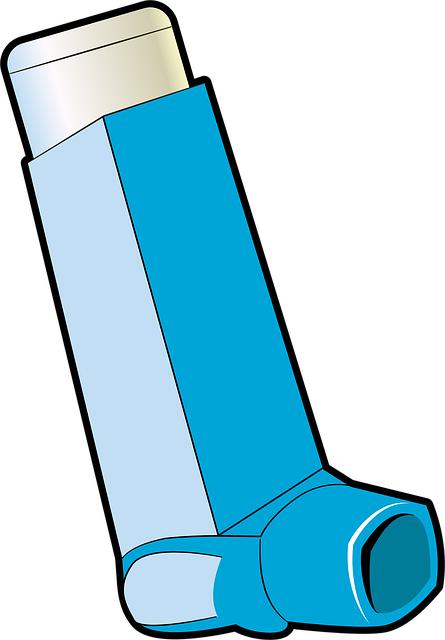
- Metered Dose Inhalers (MDIs): Devices that deliver a specific amount of aerosolized medicine per puff.Require coordination between actuation and inhalation (NHS).
- Dry Powder Inhalers (DPIs): Activated by the patient’s own inhalation effort, eliminating the need for hand-breath coordination but requiring a sufficient inspiratory flow (NCBI).
- Soft Mist Inhalers (SMIs): generate a slow-moving aerosol mist,making inhalation easier,especially for older adults or those with hand weakness.
- Spacer Devices: Attach to MDIs to hold medication so patients can inhale more deeply and minimize oropharyngeal deposition (NCBI).
Understanding your device is vital for correct use and optimal drug delivery.
Common Medications Delivered via Inhalers
asthma inhalers deliver various medications, each with a specific role in the management of asthma (FDA):
- Short-Acting Beta Agonists (SABAs): e.g.,albuterol,deliver quick relief during asthma attacks by relaxing bronchial smooth muscle.
- Long-Acting Beta Agonists (labas): e.g., salmeterol, for ongoing control, often combined with inhaled corticosteroids (ICS).
- Inhaled Corticosteroids (ICS): e.g., fluticasone, beclomethasone, reduce airway inflammation and are cornerstones of long-term control.
- Anticholinergics: e.g., ipratropium, used adjunctively, especially in severe asthma or those with features of chronic obstructive pulmonary disease (COPD).
Each class has unique indications, dosing, and importance in both acute and chronic management.
Why Correct Inhaler Technique Matters
The success of asthma therapy hinges on the medication reaching its intended target—the lungs. Incorrect technique drastically reduces drug deposition, sometimes by more than half (CDC). Suboptimal technique is linked to:
- Increased uncontrolled asthma symptoms and exacerbations
- Higher rates of emergency department visits and hospitalizations
- Increased risk of medication side effects due to improper drug deposition (e.g., oral thrush with ICS)
- Greater healthcare costs (The Lancet)
According to the Global Initiative for Asthma, addressing inhaler errors can dramatically improve asthma outcomes.
Signs You May Be using Your inhaler Incorrectly
It is not always obvious when inhaler technique is suboptimal. Clinical clues that you may not be using your inhaler correctly include:
- Persistent asthma symptoms despite regular medication use
- Frequent need for rescue inhaler (SABA) beyond recommended thresholds
- Recurring oral side effects (e.g., sore throat, hoarseness, oral thrush)
- Visible medication leaking from the device or incomplete actuation
- Difficulty coordinating breath and inhaler actuation (especially with MDIs)
- not feeling or tasting the medication upon inhalation
- Excessive coughing promptly after inhalation
If any of these occur, revisit your technique with your healthcare provider.
Step-by-Step Guide to Proper Inhaler use
Mastering inhaler technique can be life-changing. While steps may vary by device, the following is a general approach:
For Metered dose Inhalers (MDIs):
- Shake the inhaler vigorously for 5 seconds.
- Remove the cap and inspect for debris.
- Exhale fully, away from the inhaler.
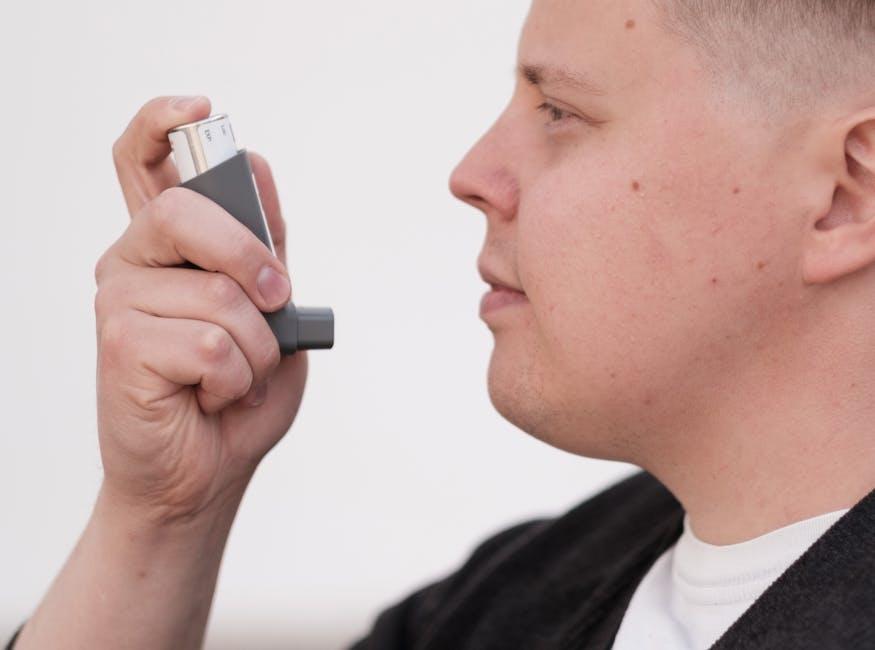
- Place the mouthpiece between your teeth and close your lips around it.
- Begin to breathe in slowly and deeply while concurrently pressing down the canister once.
- Continue to inhale deeply and slowly to fill your lungs.
- Hold your breath for 10 seconds, if possible.
- Exhale slowly, and if a second puff is prescribed, wait at least 30 seconds before repeating.
- If using a corticosteroid, rinse your mouth out with water and spit.
See detailed inhaler videos from the CDC for visual guidance.
For Dry powder Inhalers (DPIs):
- Open or load the inhaler according to instructions.
- Exhale fully, away from the inhaler.
- Place mouthpiece in mouth and seal lips tightly.
- Inhale rapidly and deeply through the inhaler.
- Hold your breath for 10 seconds, then exhale slowly.
- Close inhaler and store appropriately.
Rinsing the mouth after corticosteroid use is also advised.
For Soft Mist Inhalers (SMIs):
- Prepare device per product instructions.
- Exhale fully away from device.
- Place mouthpiece in mouth.
- Begin inhaling slowly and deeply; press the release button, continuing to inhale.
- Hold breath for up to 10 seconds, then exhale.
Device-specific instruction leaflets or training videos, such as those provided by Asthma UK, are essential for precise technique.
Troubleshooting Common Inhaler Problems
Patients may encounter several issues, including:
- Improper Sealing: Gaps around the mouthpiece permit medication escape. Ensure a tight seal is achieved.
- Poor Inhalation timing: Especially with MDIs,failure to coordinate inhalation with actuation reduces dose delivery.
- Device Clogging: Clean the mouthpiece regularly as instructed to prevent blockages (AAAAI).
- Inadequate Inspiratory Flow: Particularly with DPIs. if unable to inhale forcefully enough, a different device may be needed.
- Medication Not Reaching Lungs: Using a spacer can improve delivery, especially in children or those with difficulty.
Consult your clinical care provider if you suspect dosage delivery problems or for device reassessment.

Effects of Incorrect Inhaler Usage
Research indicates that up to 80% of patients make critical errors that compromise therapeutic outcomes (JAMA Internal Medicine). Consequences include:
- Poor Symptom Control: Increases in nighttime awakenings, reduced exercise tolerance, and absenteeism from school/work.
- Higher Asthma Severity and Exacerbations: Errors, particularly with steroid inhalers, correlate directly with higher rates of severe attacks, even in previously stable patients (PubMed).
- Increased Side Effects: Inefficient delivery means more medication is deposited in the mouth/throat, raising the risk of local side effects like dysphonia and oral candidiasis (Medical News Today).
- Overuse of Rescue Medication: Frequent or escalated use of SABA inhalers signals poor control, potential for medication overuse headache, and higher risk of life-threatening exacerbations (Healthline).
The Role of Healthcare Professionals in Inhaler Technique
Clinical guidelines universally reccommend that inhaler technique be demonstrated, assessed, and routinely revisited at every healthcare encounter (NIH). High-quality, in-person teaching from a nurse, physician, or pharmacist—including hands-on presentation and personalized feedback—leads to better technique retention than written instructions alone (NCBI).
- Initial Device Education: Upon prescription, patients should receive thorough, individualized education and return demonstration of technique.
- Ongoing Assessment: Technique should be reviewed at every visit, especially after exacerbations or therapy adjustments.
- Written/Video Resources: Supplementary material supports long-term skill retention.
Active involvement of healthcare professionals is instrumental for lasting asthma self-management.
Patient Empowerment: Self-Assessment and Adherence Strategies
Empowering patients increases the likelihood of proper technique and adherence (PubMed). Tools and strategies include:
- Self-Checklists: Use evidence-based checklists to ensure each step of your inhaler use is correct (NHS).
- Mobile Apps: many asthma apps incorporate medication reminders, inhaler tracking, and video technique aids.
- Regular Review: Set calendar reminders for monthly technique reviews in partnership with healthcare providers.
- Integration with Asthma action Plans: Action plans should specify medication types, doses, and stepwise escalation with symptom changes (CDC).
Proactive patient involvement is associated with reduced exacerbations, improved control, and higher quality of life.
Special Populations: Inhaler Technique Challenges
Certain groups face unique inhaler technique challenges:
| Population | Challenges | Clinical Strategies |
|---|---|---|
| Children | Poor coordination, inability to generate adequate inspiratory flow (DPIs), unfamiliarity with action steps | Use of spacers with face masks, child-kind education, role play, school health liaison |
| Elderly | Reduced dexterity, cognitive impairment, comorbidities, oropharyngeal dryness | SMIs or spacers favored, regular technique review, assistive devices, multidisciplinary support |
| Patients with Physical Disabilities | Hand weakness, tremors, reduced mobility | Assistive grip tools, breath-actuated inhalers, caregiver involvement |
tailoring device choice and technique education to the individual markedly improves outcomes (Harvard Health).
Emerging Inhaler Technologies and Digital Solutions
Technological advancements continue to improve medication delivery and adherence:
- Smart Inhalers: Incorporate sensors that track usage, inhalation technique, and provide real-time feedback to users and clinicians (Medical News Today).
- Mobile Health (mHealth) Apps: Offer instructional videos,reminders,and personalized tracking to reinforce proper technique and medication adherence.
- Telehealth Support: Remote consultations enable live demonstration, coaching, and troubleshooting of inhaler technique, extending specialist access to underserved regions (WHO).
Adoption of these innovations is associated with improved asthma control and fewer exacerbations.
Frequently Asked Questions (FAQ)
- How often should my inhaler technique be checked?
- Best practice is to review technique at every healthcare visit or after any change in symptoms or medication (NIH Asthma Guidelines).
- Can improper inhaler use cause harm?
- Yes—oral candidiasis, dysphonia, and poor asthma control are just some adverse consequences (Mayo Clinic).
- What should I do if I forget a dose?
- take the missed dose as soon as remembered, unless it is almost time for the next one. Never double doses. Consult your healthcare provider for persistent adherence challenges (medlineplus).
- How do I clean and store my inhaler?
- Refer to device-specific instructions. Typically, MDIs require weekly cleaning of the mouthpiece under warm water (FDA).
Asthma Inhaler Technique: Myths and Facts
- myth: “If I don’t feel or taste the medicine, it’s not working.”
Fact: Many inhaled medications are tasteless and odorless. Proper technique is what matters.
- Myth: “Inhalers work the same way for everyone.”
Fact: A device that works for one person may not suit another; personalize your choice.
- Myth: “spacers are only for children.”
Fact: Spacers can benefit anyone struggling with coordination, including adults and elderly.
Summary Table: Key Inhaler Technique Differences
| Device Type | Critical Technique Step | Common Error |
|---|---|---|
| MDI | Coordinating actuation with slow, deep inhalation | Actuating before/after inhalation, inhaling too quickly |
| DPI | Rapid, forceful inhalation to disperse powder | insufficient inspiratory flow, exhaling into device |
| SMI | Inhaling slowly while activating mist | Not inhaling deeply enough |
| With Spacer | Deep inhalation from holding chamber; multiple breaths if needed | Failing to inhale immediately after actuation |
When to Seek Medical Advice
Contact a healthcare professional if you experience:
- Worsening symptoms despite medication
- Need for SABA inhaler more than twice per week (excluding pre-exercise use)
- Inability to perform inhaler steps correctly due to dexterity or cognitive issues
- Frequent oral side effects or suspect underuse/overuse (Mayo Clinic)
Proactive medical review improves both safety and quality of life.
Conclusion: Bringing It All Together for Better Asthma control
Asthma management is a partnership between patients and providers. mastery of inhaler technique is a pivotal, modifiable factor in achieving symptom control, preventing exacerbations, and ensuring the best possible clinical outcomes. Regular technique review,tailored device choices,patient empowerment strategies,and innovative digital tools form the core of modern asthma care. If you have concerns about your inhaler use,schedule an appointment for a technique review,and never hesitate to ask your healthcare team for support.
For further information, see resources from the CDC Asthma, NHS Asthma, and the Asthma UK.
References
- WHO: asthma
- CDC: Asthma Data
- JAMA: Inhaler Technique Errors
- Mayo Clinic: Asthma Inhalers
- NHS: Asthma Overview
- FDA: Inhalers for Asthma
- NCBI: Teaching Inhaler Technique
- The Lancet: Asthma Management