
How to Improve Circulation in Your Legs Naturally
Introduction
Good blood circulation in the lower extremities is essential for maintaining optimal vascular and tissue health. Poor leg circulation, characterized by symptoms such as numbness, coldness, swelling, or aching, can significantly impact quality of life and may predispose individuals to more severe complications, including peripheral artery disease, deep vein thrombosis, or chronic venous insufficiency. In recent decades, sedentary lifestyles, rising rates of chronic diseases, and aging populations have contributed to increased prevalence of circulatory problems worldwide. According to the Centers for Disease Control and Prevention (CDC), peripheral artery disease affects approximately 6.5 million people aged 40 and older in the U.S.alone.
This thorough guide details evidence-based strategies and natural interventions to promote healthy blood flow in the legs, addressing the pathophysiology of circulatory impairment, risk factors, and practical lifestyle adjustments supported by current medical literature. Each advice is tailored for both prevention and adjunctive management, ensuring relevance to patients, caregivers, and health-conscious readers alike.
Understanding Leg Circulation: Anatomy and Physiology
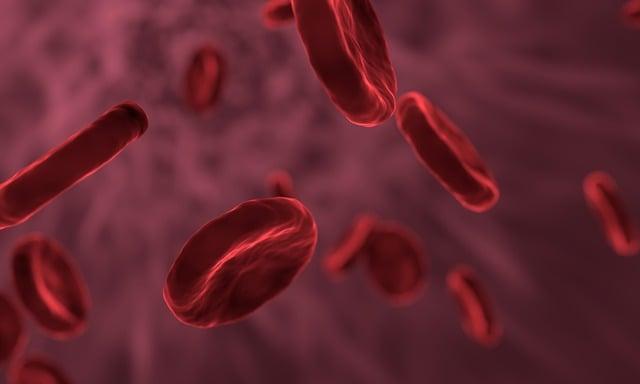
The vascular system of the lower limbs comprises arteries delivering oxygen-rich blood from the heart, veins returning deoxygenated blood, and a network of capillaries facilitating nutrient exchange. Efficient leg circulation relies on the coordinated action of vascular structures, heart function, muscle activity, and one-way valves within veins that prevent backflow.
Key components include:
- Peripheral arteries: Transport oxygenated blood to leg tissues.
- Superficial and deep veins: Carry blood back to the heart using muscle contractions and valvular mechanisms.
- Lymphatic system: Assists with fluid balance and immune function.
Disruption in any of these facets can hamper perfusion, leading to chronic symptoms and potential complications.
Common Causes and Risk Factors for Poor Leg Circulation
Numerous intrinsic and extrinsic factors can impair leg circulation, either acutely or chronically. Understanding these etiologies is essential for targeted prevention and intervention.
- Atherosclerosis: Plaque accumulation within arterial walls narrows the vascular lumen, impeding blood flow (as outlined by the Mayo Clinic).
- Venous insufficiency: Weak or damaged venous valves lead to pooling of blood and chronic leg swelling.
- Diabetes mellitus: Chronic hyperglycemia damages blood vessels and nerves, heightening risk of circulatory problems (NIH).
- Obesity: Excess body weight increases venous pressure and is a risk factor for both arterial and venous disease.
- Physical inactivity: Lack of regular movement reduces muscle pump effectiveness, hindering venous return (Harvard health Publishing).
- Smoking: Tobacco use directly damages the endothelium and promotes vasoconstriction.
- Genetic predispositions: A family history of vascular conditions raises baseline risk.
- Advanced age: natural wear and tear on the vascular system over time.
Some conditions, like peripheral artery disease or chronic venous insufficiency, frequently enough present with characteristic signs such as intermittent claudication (leg pain with walking), heavy or restless legs, skin changes, and leg ulcers.
Clinical Signs and Symptomatology
Recognizing early symptoms is crucial for timely intervention.
- Persistent coldness or numbness in one or both legs
- Cramps or ‘pins and needles’ sensations
- visible varicose veins or skin discoloration
- Leg swelling or edema
- Delayed wound healing on the feet or legs (Healthline)
Consult a healthcare provider for proper evaluation if these symptoms persist; early diagnosis enables more effective, less invasive management.
The Science Behind natural Circulation Enhancement
Enhancing lower limb perfusion naturally involves leveraging the body’s physiology—promoting vasodilation, reducing blood viscosity, optimizing endothelial function, and strengthening the muscle pump mechanism. Evidence suggests sustained lifestyle modifications can dramatically improve vascular health and reduce adverse events (NIH).
Lifestyle Strategies to Boost Leg Circulation
1. Regular Physical Activity and Targeted Exercise
Physical movement is the cornerstone of vascular health. Exercise directly enhances arterial elasticity, augments capillary density, and facilitates efficient venous return by activating the muscle pump (contraction of leg muscles propelling blood upward toward the heart).
- Walking and cycling: Both are low-impact activities effective in improving lower extremity blood flow (CDC).
- Swimming and water aerobics: Water’s buoyancy supports joints and enhances resistance,promoting circulation safely.
- Calf raises and ankle pumps: Simple at-home routines can be incorporated throughout the day to keep blood moving (Healthline).
- Yoga or stretching routines: Flexibility exercises support lymphatic drainage and venous return.
For those with restricted mobility, even small, frequent movements (e.g., foot circles, standing up every 30 minutes if sedentary) can yield notable benefits (NHS).
2. Weight Optimization and metabolic Health
Reducing excess body weight lowers the burden on the cardiovascular system and reduces venous pressure in the lower extremities.Comprehensive studies have linked even modest weight loss to improved endothelial function and decreased symptoms of chronic venous insufficiency (NIH).
3. Nutrition: Foods That Enhance Circulation
A diet rich in antioxidants, healthy fats, micronutrients, and plant-based compounds supports vascular health.
- Omega-3 fatty acids: Found in fatty fish, flaxseed, and walnuts, these reduce vascular inflammation and improve arterial function (Harvard health Publishing).
- Nitric oxide-boosting foods: Beets, leafy greens, and pomegranates naturally increase nitric oxide, supporting vasodilation (Medical News Today).
- Flavonoid-rich fruits and vegetables: Berries, citrus, and cocoa have demonstrated vascular protective effects (Healthline).
- Minimize saturated fats and added sugars: These dietary components promote vascular stiffness and plaque development.
4. Proper Hydration
Blood is largely composed of water, and dehydration increases blood viscosity, thereby impeding circulation. Drinking adequate fluids is especially vital in older adults and during periods of physical activity or heat exposure (Mayo Clinic).
5. Avoiding Tobacco and Excessive Alcohol
Tobacco contains chemicals that constrict blood vessels, damage the endothelium, and accelerate atherosclerosis (CDC: tobacco and Vascular Health). Alcohol, when consumed in excess, can impair vascular tone and negatively impact circulation (Healthline). Quitting smoking and moderating alcohol intake remain essential strategies for vascular protection.

6. Elevation and Compression Techniques
Simple physical maneuvers can substantially improve venous return:
- Leg elevation: Positioning the legs above heart level for 15–30 minutes daily can reduce swelling and support venous flow (Mayo Clinic).
- Compression stockings: Graduated compression helps prevent pooling by applying external pressure, benefitting those with chronic, occupational, or -thrombotic risk (NHS).
Consult a physician for guidance regarding optimal compression strength and duration.
7. Temperature Regulation therapies
Moderately warm baths or hydrotherapy sessions promote vasodilation and relaxation of leg muscles, improving local perfusion. Though, extreme heat (as in hot tubs) should be avoided by individuals with advanced vascular disease to prevent complications (Harvard Health Publishing).
Adjunctive Natural Remedies and Therapies
1. Massage and Manual Therapies
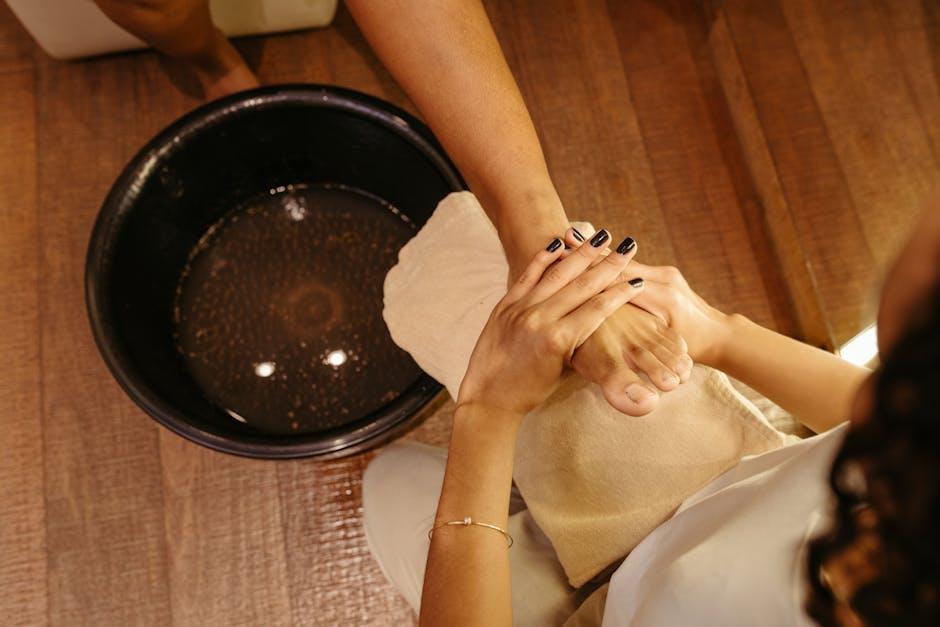
Gentle massage or myofascial release has been shown to stimulate local circulation, lymphatic flow, and neuromuscular function (Medical News Today). Massage therapy is especially helpful for individuals who are sedentary or who have limited mobility.
2. Herbal Supplements and Functional Foods
Certain botanicals and dietary supplements have been researched for their vascular benefits, including:
- Horse chestnut seed extract: Shown in clinical trials to reduce symptoms of chronic venous insufficiency (PubMed).
- Ginkgo biloba: Possibly improves peripheral blood flow, though high-quality studies are mixed (Medical News Today).
- Pycnogenol (French maritime pine bark): Demonstrated vascular benefits in several trials.
Always consult a physician before beginning any supplement regimen, as some compounds may interact with prescribed medications or have contraindications.
3. Acupuncture and reflexology
Emerging evidence suggests these integrative therapies may assist in microcirculatory enhancement, reduce symptoms like heaviness or swelling, and improve patient well-being (JAMA Network). These modalities are best viewed as complementary rather than primary treatments.
work, Travel, and Daily Life: Adapting Routines for Better Circulation
1. Minimizing Prolonged Sitting or Standing
Extended periods of immobility drastically decrease muscle pump efficacy, increasing the risk for venous stasis and thrombotic events (CDC: DVT). To counteract this:
- Stand up and stretch at least once per hour.
- Perform brief calf raises or foot flexes while seated.
- If standing for work, shift weight periodically and walk in place.
2. Ergonomic Adjustments
Consider using a standing desk or workstation accessories that promote ure change. Supportive, well-fitted footwear can also reduce pressure on the venous system (Mayo Clinic).
3. Safe Air Travel
Long-haul flights elevate risk for leg swelling and deep vein thrombosis. Strategies to mitigate this risk include:
- Moving or stretching every 1–2 hours during travel (NHS).
- Wearing loose clothing and compression stockings, if indicated.
- Staying well hydrated (avoiding excessive caffeine or alcohol).
When to Seek Professional Help
While natural strategies are highly effective in mild-to-moderate cases and for prevention,certain symptoms warrant immediate medical evaluation. Seek urgent attention if you experience:
- Sudden leg swelling, redness, or warmth (possible deep vein thrombosis)
- Ulcerations or sores that do not heal
- Severe, continuous pain or significant color changes
- Symptoms accompanied by chest pain or shortness of breath
These may indicate serious complications requiring formal diagnostics and medical management (CDC).
FAQ: Science-Based Answers to Circulation Concerns
| Question | Evidence-Based Response |
|---|---|
| Is sitting cross-legged bad for my circulation? | Temporary cross-legged sitting is unlikely to cause significant harm, but prolonged ure may compress blood vessels and restrict blood flow. Regular position changes are advised (Healthline). |
| Can essential oils or topical creams improve leg circulation? | No robust clinical data exists to support significant effects; however, cooling or warming sensations from topical agents may provide symptomatic relief. Massage enhances benefit (Medical News Today). |
| How quickly will I see results from dietary changes? | Some vascular benefits can occur within weeks, but optimal results require consistent, sustained changes for several months (American Heart association). |
| are circulation boosters or vibration machines effective? | Research remains mixed; while some devices may aid those with limited mobility, direct evidence is lacking and should not substitute for active movement (Harvard Health Publishing). |
Summary Table: Top Natural Methods to Improve Leg Circulation
| natural Method | Benefit | Key Study or Source |
|---|---|---|
| Regular Exercise | Strengthens vascular system, augments muscle pump, reduces risk of disease | CDC |
| Healthy Diet | Reduces inflammation, supports endothelial health, prevents atherosclerosis | Healthline |
| Compression Therapy | Improves venous return, prevents edema | NHS |
| Massage & Manual Therapies | Enhances local blood flow, supports lymphatic drainage | Medical News Today |
| Leg Elevation | Reduces swelling and venous pressure | mayo Clinic |
Conclusion
Optimizing blood flow to the legs is vital for preserving mobility, preventing discomfort, and reducing long-term vascular risk. By integrating regular physical activity, balanced nutrition, proper weight management, and evidence-based adjunctive approaches, most people can significantly enhance their circulatory health naturally. Early intervention is key: simple changes today can prevent more serious complications tomorrow. Before beginning new exercise, diet, or supplement regimens, consult your healthcare provider—especially if you have chronic conditions or experience persistent symptoms.
For more in-depth information, explore resources from authoritative medical organizations like the CDC, National Institutes of Health, and Mayo Clinic.
References
- CDC: Peripheral artery Disease
- Harvard Health Publishing: The Danger of Sitting
- NIH: Obesity and Vascular Dysfunction
- Mayo Clinic: Peripheral artery Disease
- NHS: Compression Stockings
- Medical News Today: Foods for Circulation
- JAMA Network: Acupuncture and Circulation
- Healthline: Flavonoids and Circulation
- CDC: Smoking and Circulation
- American Heart Association: Healthy Eating