

Introduction
Subtle puffiness in fingers and toes is a symptom that, while ofen overlooked, may signal underlying circulatory retention—a condition involving abnormal fluid buildup due to vascular or systemic dysfunction. Peripheral edema, especially when it first affects the distal extremities, can be a harbinger of serious systemic illnesses such as heart failure, renal impairment, hepatic cirrhosis, or venous insufficiency. According to the World Health Organization (WHO), cardiovascular diseases remain the leading cause of morbidity and mortality globally, and early detection of peripheral changes can play a critical role in timely diagnosis and management.
Initial manifestations like mild swelling in the fingers or toes are often missed until more overt edema or other complications develop.This article synthesizes available medical research and clinical guidelines to help patients and health professionals recognize the earliest signs of circulatory retention, highlighting pathophysiology, diagnostic strategies, management approaches, and when to seek urgent care. Every aspect is grounded in evidence-based medicine and current standards of clinical practice.
Understanding Circulatory Retention: Mechanisms and Implications
Circulatory retention—more accurately termed “peripheral edema” or “fluid overload”—arises from a disruption in the equilibrium between intravascular and interstitial fluids. Key mechanisms include increased capillary hydrostatic pressure, decreased plasma oncotic pressure, enhanced capillary permeability, and impaired lymphatic drainage. according to NCBI Bookshelf, these pathophysiological changes may result from cardiovascular, renal, hepatic, or local vascular disorders.
This retention typically becomes noticeable in areas where hydrostatic pressure is highest—namely, dependent sites like the lower limbs, fingers, and toes. Subtle smoking, trauma, hormone fluctuations, or even routine activities can temporarily enhance puffiness, but persistent or worsening swelling warrants medical attention, especially when accompanied by other systemic symptoms.
types of Edema
- Pitting Edema: Indentation remains after pressure is applied to the swollen area; frequently observed in protein-losing states or right-sided heart failure. More info
- Non-Pitting Edema: No indentation; characteristic of lymphatic or myxedematous conditions (Healthline).
Risk Factors for Subtle Digital Puffiness
Subtle swelling of the fingers and toes can result from a spectrum of physiological and pathological conditions. Recognizing individual risk factors is critical to early intervention,as underscored by the Centers for Disease Control and Prevention (CDC).
- Cardiovascular diseases: heart failure, hypertension, and venous insufficiency increase hydrostatic pressure, precipitating dependent edema (Mayo Clinic).
- Renal impairment: Chronic kidney disease impairs sodium and water excretion, leading to fluid overload (National Institute of Diabetes and Digestive and Kidney Diseases).
- Liver disease: Cirrhosis decreases albumin synthesis, reducing plasma oncotic pressure; increased portal hypertension further exacerbates third spacing (VA Hepatitis).
- Local trauma or infection: Inflammatory processes increase capillary permeability, causing localized puffiness (NCBI).
- Drug-induced: Calcium channel blockers, NSAIDs, corticosteroids, and some diabetes medications can provoke localized or generalized edema (FDA).
- Hormonal changes: Premenstrual syndrome, pregnancy, and menopause commonly present with mild swelling of the extremities (Healthline).
- Autoimmune diseases: Rheumatoid arthritis and scleroderma may cause subtle digital puffiness due to synovial inflammation (Arthritis Foundation).
Recognizing the Earliest Signs: What to Look For
The initial presentation of circulatory retention in the fingers and toes is often insidious. Clinical vigilance and patient self-awareness are key. MedlinePlus reports that subtle peripheral edema may be the first observable symptom of serious systemic disease.
Subtle Symptomatology
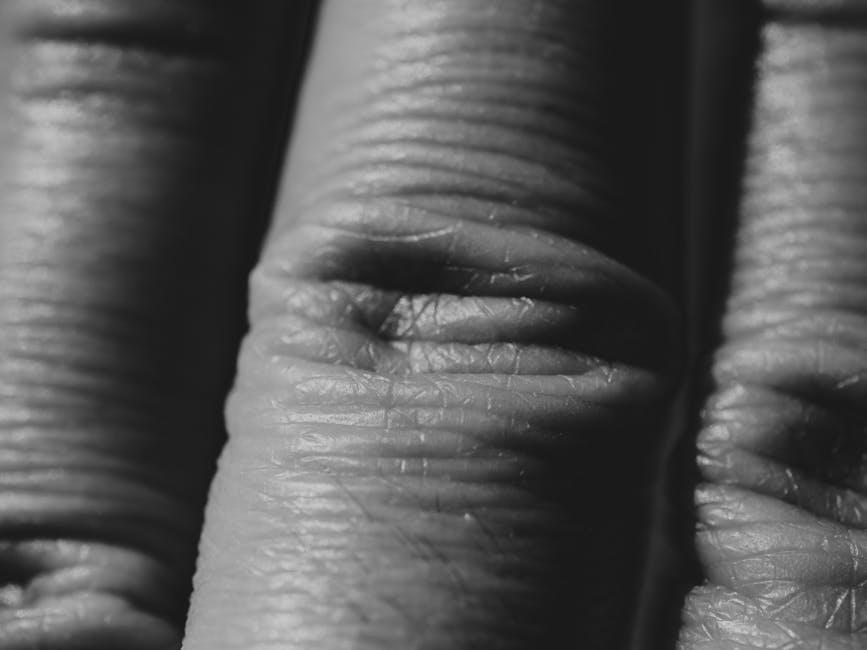
- mild Shining or Swelling: Fingers or toes appear slightly swollen,especially at the joints,with skin that looks taut or shiny (healthline).
- Tightness: Rings or shoes feel unusually tight, particularly ultimately or after standing for long periods (NHS).
- pitting (on gentle pressure): Very gently pressing the affected area may leave a slight impression that gradually fades (Mayo Clinic).
- Stiffness or Discomfort: Morning stiffness or a sense of fullness in the digits (Verywell Health).
- Colour Changes: Redness, pallor, or cyanosis (bluish tinge) associated with impaired circulation and tissue hypoxia (UpToDate).
Comparison Table: Normal vs. Early Pathological Puffiness
| feature | Physiological (Benign) | Pathological (Circulatory Retention) |
|---|---|---|
| Symmetry | Bilateral,mild,resolves with rest | Unilateral or bilateral,persistent,worsens over time |
| Skin Texture | No changes; soft,supple | Shiny,stretched,may develop pitting |
| Color | Normal or slightly flushed | Red,pale,or blue-tinged |
| Associated Symptoms | None,or mild discomfort | Discomfort,stiffness,skin changes,possible ulceration |
Clinically Relevant Pathophysiology
When circulatory retention is at play,excess fluid leaks from capillaries into the interstitial space,driven by increased intravascular pressure,decreased oncotic pressure,or both. In early heart failure, the right ventricle fails to return sufficient blood to the lungs, increasing systemic venous pressure and promoting peripheral edema, including the hands and feet (NCBI Bookshelf).
In hepatic disease, hypoalbuminemia and portal hypertension lower oncotic pressure and raise hydrostatic pressure, respectively, facilitating fluid accumulation in dependent tissues. Renal dysfunction impedes sodium and water excretion, contributing to systemic, generalized, or localized edema. Simultaneously occurring, lymphatic obstruction (lymphedema) produces persistent non-pitting swelling, highlighting the importance of distinguishing pathophysiological mechanisms in clinical evaluation (CDC).
Epidemiology and Demographic Patterns
According to the JAMA Network, peripheral edema affects up to 20% of adults over the age of 50, while circulatory retention specifically attributable to heart failure occurs in nearly 6 million Americans annually. Prevalence varies by age, sex, and comorbid conditions, with a higher incidence noted among the elderly, individuals with obesity, and those with chronic organ dysfunction. Women are more likely to report mild, episodic swelling due to hormonally mediated vascular changes (Harvard Health).
Diagnostic Evaluation: A Stepwise Approach
Timely and accurate diagnosis of subtle circulatory retention is essential, as early intervention can halt progression to advanced disease states. diagnostic workup shoudl follow a structured, evidence-based protocol, integrating history, examination, laboratory investigations, and, when indicated, advanced imaging. Recommendations here are supported by expert consensus and updated guidelines from authoritative bodies (AHA Journals).
Comprehensive clinical Assessment
- History: Document symptom duration, progression, symmetry, diurnal variations, associated symptoms (e.g., shortness of breath, weight gain, decreased urine output, pain, redness), medication use, and relevant systemic illnesses.
- Physical Examination: Assess for pitting, temperature, tenderness, erythema, induration, and comparison with unaffected digits. Check for systemic signs—jugular venous distention, rales, hepatomegaly, ascites, or lower limb edema.
Laboratory and Imaging Investigations
- Blood Work: Complete blood count,electrolytes,renal function,liver enzymes,albumin,thyroid panel,and inflammatory markers (NCBI Bookshelf).
- Urinalysis: To screen for proteinuria or hematuria (common in kidney disease or nephrotic syndrome).
- Chest X-ray and Echocardiogram: Indicated when cardiac or pulmonary etiologies are suspected, to evaluate cardiac size, pulmonary congestion, or underlying valvular pathology.
- Venous and arterial Doppler Ultrasound: To assess for venous insufficiency, thrombosis, or arterial compromise in cases of asymmetrical or sudden-onset swelling.
- Lymphoscintigraphy: For suspected lymphatic obstruction or lymphedema.

Red Flags and When to Seek Immediate Care
while most early edema is benign, certain presentations merit urgent evaluation. According to the Mayo Clinic and CDC, prompt medical attention is warranted if you notice:
- Rapid, painful swelling of fingers, toes, or limbs
- Sudden onset with shortness of breath, chest pain, palpitations, or syncope (suggests acute heart failure, pulmonary embolism, or myocardial infarction)
- Warmth, erythema, tenderness (possible cellulitis or deep vein thrombosis)
- Skin ulceration, blisters, or cyanosis (impaired perfusion or infection)
- Fever, systemic illness, or altered consciousness
Delay in addressing these warning signs can result in irreversible tissue damage or life-threatening complications (Medical News Today).
Differential Diagnosis: Ruling Out Other Causes
Accurately distinguishing circulatory retention from other causes of finger and toe puffiness is central to effective management.Several physiological, mechanical, and inflammatory disorders can mimic or coexist with true circulatory edema.
- Infectious: Paronychia, cellulitis, or septic arthritis may produce swelling, often accompanied by redness, tenderness, and warmth (CDC).
- Autoimmune: Early rheumatoid arthritis often presents as morning puffiness of the hands, but typically accompanied by joint stiffness and pain (American College of Rheumatology).
- Endocrine: hypothyroidism presents with nonpitting myxedema (Harvard Health).
- Mechanical: Prolonged immobilization,excessive typing,or ill-fitting jewelry can provoke temporary puffiness.
- Allergic: Urticaria or angioedema occasionally localize to extremities but have distinct triggers and clinical course (NHS).
Prevention and Lifestyle Modifications
Evidence suggests that early lifestyle modifications can attenuate severity or progression of circulatory retention (CDC Sodium Reduction Tips). Recommendations include:
- Minimizing sodium intake: Reduces fluid retention and decreases blood pressure.
- Regular physical activity: Enhances venous return and decreases risk for cardiovascular and metabolic disease (WHO).
- Weight management: Lower incidence of chronic conditions predisposing to edema (CDC).
- Avoiding prolonged standing or sitting: Intermittent movement or elevation to promote drainage.
- Compression garments: May be recommended in cases of orthostatic edema or mild venous insufficiency (Healthline).
- Smoking cessation and limiting alcohol: Further reduces vascular risk (CDC Tobacco).
Medical and Therapeutic Management Protocols
The management of circulatory retention depends on the underlying etiology, symptom severity, and presence of comorbidities. Therapeutic strategies are tailored based on the principles outlined by NICE and JAMA.
- Address Underlying Disease: e.g., optimize heart failure therapy (diuretics, ACE inhibitors, beta blockers), manage renal or hepatic failure, treat infection, or control autoimmune disease activity.
- Symptomatic Relief: Prescribe diuretics where appropriate (FDA), use compression, elevate limbs, and monitor fluid intake and output.
- Monitor for Complications: Infection, ulceration, impaired wound healing, progression to generalized edema, or development of deep vein thrombosis require close follow-up.
- Patient Education: Empower aware self-monitoring, prompt reporting of symptom changes, and adherence to prescribed therapy.
Role of Multidisciplinary Care
Chronic or recurrent edema may benefit from a team-based approach, involving primary care physicians, cardiologists, nephrologists, rheumatologists, vascular surgeons, and physical therapists, depending on the underlying diagnosis (NCBI Bookshelf).
Case Studies and Clinical Scenarios
case 1: Early Heart Failure Detection
A 56-year-old male presents with mild finger swelling and tight rings in the evening.On further questioning, he describes mild exertional dyspnea. Lab evaluation reveals elevated BNP and echocardiography confirms reduced ejection fraction. Early intervention with lifestyle changes and optimal medical therapy prevent disease progression and overt symptoms (AHA).
Case 2: Rheumatoid Arthritis Unmasked
A 42-year-old woman complains of daily morning puffiness in her hands, accompanied by joint pain and fatigue. Examination shows synovial thickening; serology positive for rheumatoid factor. Early recognition facilitates prompt disease-modifying therapy, preserving function and limiting joint destruction (American College of Rheumatology).
Case 3: Nephrotic Syndrome in a Young Adult
A 28-year-old male notes persistent swelling in the toes and face, alongside frothy urine and fatigue. Laboratory studies confirm massive proteinuria and hypoalbuminemia. Targeted therapy for nephrotic syndrome is initiated, with resolution of edema and preservation of renal function (NIDDK).
Frequently Asked Questions (FAQ)
- Can subtle puffiness be reversed?
- yes, if recognized early and managed appropriately, most cases of mild circulatory retention respond well to medical and lifestyle interventions (Mayo Clinic).
- Is all digital edema serious?
- No, mild, episodic swelling after activity or heat exposure is usually benign. persistent, progressive, or asymmetrical edema requires formal evaluation.
- What if only one finger or toe is puffy?
- Localized swelling suggests infection, trauma, or venous obstruction and should be assessed by a health professional (Healthline).
- Are children at risk?
- While less frequent, pediatric edema may accompany nephrotic syndrome, cardiac disease, or infection and warrants prompt examination (Merck Manual).
Conclusion
Subtle finger and toe puffiness, while frequently enough dismissed as trivial, can represent the earliest clinical sign of circulatory retention and underlying systemic disease. Awareness of risk factors,recognition of early symptoms,and prompt evaluation form the cornerstone of effective prevention and management. Health professionals and patients alike should remain vigilant; early detection enables optimal therapeutic intervention, improved prognosis, and a decreased risk of long-term complications. For further guidance, consult a trained medical professional or visit reputable health information sources like CDC or Mayo Clinic.
References
- World Health Organization: Cardiovascular Diseases
- CDC: Heart Disease Risk Factors
- Mayo Clinic: Edema
- Harvard Health: Swelling and Vascular Disease
- NIDDK: Kidney Disease
- NCBI Bookshelf: Edema
- JAMA Network: Epidemiology of Edema
- Medical News Today: Edema Overview
- American College of Rheumatology: RA
- CDC: Lymphedema Facts
- Healthline: Edema
- NHS: Oedema