
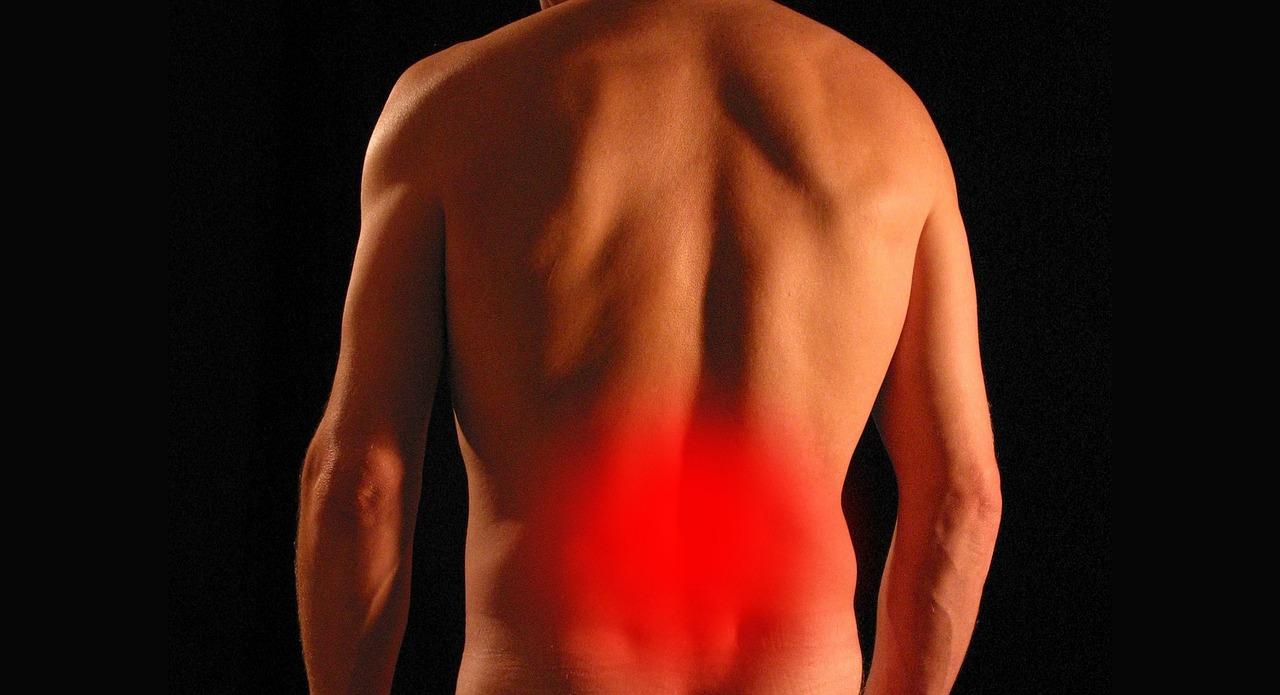

Lower back pain that interrupts your daily routine
Introduction
Lower back pain is one of the most common musculoskeletal complaints worldwide, profoundly affecting people’s quality of life and functional independence. According to the World Health Organization (WHO), musculoskeletal disorders, including lower back pain, are the leading contributor to disability globally. When lower back pain interrupts daily routines—impacting work, self-care, mobility, and social activities—it becomes not just a personal health issue, but a significant public health concern. Evidence indicates that approximately 60-70% of individuals will experience low back pain at some point in their lives, and it remains a leading cause of years lived with disability, especially in adults aged 30-59 years [CDC]. This article provides an in-depth analysis of lower back pain that interrupts your daily routine, covering its clinical definition, causes, risk factors, diagnosis, management, and strategies for prevention—all grounded in the latest scientific evidence.
Overview and Definition
Lower back pain, also known as lumbar pain, refers to discomfort or pain localized in the region between the lower rib cage and the gluteal folds. Clinically, it is classified by duration: acute (<6 weeks), subacute (6–12 weeks), and chronic (>12 weeks) [NCBI]. The lower back, or lumbar spine, comprises five vertebral bodies (L1-L5), intervertebral discs, nerve roots, muscles, ligaments, and blood vessels, making it a complex anatomical region vulnerable to mechanical stress and injury [NIH].
Prevalence studies indicate that lower back pain affects roughly 540 million people globally at any given time [The Lancet].The burden is so significant that back pain is identified as the leading cause of disability worldwide. It most frequently affects working-age adults but can be experienced across the lifespan. Lower back pain that interrupts activities of daily living (ADLs) is correlated with higher rates of healthcare utilization, absenteeism from work, and psychological distress, highlighting its critical impact on overall well-being.
Causes and Risk Factors
Lower back pain can result from a wide array of biological, mechanical, environmental, and behavioral factors. The pathophysiology is ofen multifactorial,with several risk factors—modifiable and non-modifiable—contributing to symptom onset and persistence.
1. Mechanical Causes
- Muscle or ligament strain: Sudden movements,heavy lifting,or poor ure can cause microtears and inflammation in soft tissues [Mayo Clinic].
- Herniated or bulging intervertebral discs: The rupture or protrusion of a disc can impinge nerve roots, resulting in pain that often radiates to the lower extremities [Harvard Health].
- Degenerative disc disease: Age-related changes in intervertebral discs can reduce disc height and elasticity, leading to localized pain and stiffness [NCBI].
- Facet joint dysfunction: Arthritis or degenerative changes in the small joints of the spine can cause pain and limit mobility.
2. Non-Mechanical or Systemic Causes
- Inflammatory conditions: Disorders such as ankylosing spondylitis and other spondyloarthropathies cause chronic inflammation and progressive stiffness [NHS].
- Infections: Vertebral osteomyelitis and discitis are rare but serious causes of persistent lower back pain [Mayo Clinic].
- cancer and neoplasms: Primary and metastatic spinal tumors may present as new or worsening lower back pain, especially at night or at rest.
3. Risk Factors
- Age: Degenerative changes in spinal structures are more common in adults over 40 years [Healthline].
- Genetics: Family history may contribute to susceptibility, especially for disc-related diseases.
- Occupational hazards: Jobs involving heavy lifting, vibration, or repetitive movement have higher risk [CDC].
- Sedentary lifestyle and obesity: Lack of physical activity and increased body mass index (BMI) can strain lumbar structures [NIH].
- Poor ure and ergonomics: Improper workstation setup or chronic slouching increases mechanical strain.
- smoking: Associated with diminished blood flow to lumbar discs and impaired healing [PubMed].
- Psychological factors: stress, depression, and anxiety are linked with increased pain perception and chronicity [Mayo Clinic].

Pathophysiology and Symptomatology
The pathophysiology of lower back pain is highly variable, depending on the causative mechanism. Mechanical lower back pain is typically a result of overloading or injury to the spinal structures—muscles, ligaments, intervertebral discs, or facet joints—which leads to microtrauma, localized inflammation, and sometiems nerve root compression. In chronic cases, the cycle of pain and disuse may cause muscle atrophy, impaired neuromuscular control, and psychosocial sequelae such as depression or anxiety [NCBI].
Symptomatology may include:
- Dull, aching, or sharp pain: Varies in intensity and can be localized or radiate to the buttocks and legs.
- Stiffness and reduced mobility: Especially after periods of inactivity or in the morning.
- Radiculopathy (sciatica): Burning, tingling, or numbness radiating down one or both legs, frequently enough a sign of nerve compression [Medical News today].
- Muscle spasms and weakness: Especially after acute injury or strain.
- Functional impairment: Difficulty performing daily tasks, walking, or sleeping due to pain.
Red-flag symptoms such as unexplained weight loss, fever, progressive neurological deficits, or bladder/bowel dysfunction may suggest more serious pathology and warrant urgent evaluation [NIH].
Impact on Daily Routine and Quality of Life
When lower back pain interrupts daily activities, the consequences extend beyond physical discomfort, considerably impairing independence, productivity, and social engagement. Many individuals report limitations in:
- Personal care (bathing, dressing, toileting)
- Household chores and caregiving duties
- Work productivity and attendance
- Physical activity and recreational pursuits
- Sleep quality
Studies indicate that lower back pain is among the top reasons for workplace absenteeism and disability claims worldwide [NCBI]. The emotional burden—anxiety, frustration, and social isolation—can also exacerbate chronic pain and hinder recovery, necessitating a biopsychosocial approach to management.
Diagnosis and Evaluation
thorough evaluation of lower back pain includes a thorough patient history, physical examination, and (when indicated) diagnostic imaging or laboratory tests.
History and Physical Examination
- Onset,character,and duration of pain
- Exacerbating and relieving factors
- Associated symptoms: e.g., numbness, tingling, weakness, bladder or bowel dysfunction
- Previous episodes or injuries
- Red flag symptoms: fever, recent trauma, cancer history, night pain, unexplained weight loss
A detailed musculoskeletal and neurological examination assesses spinal alignment, range of motion, muscle strength, reflexes, and sensory function [NEJM].
Imaging Guidelines
According to Choosing Wisely and American College of Radiology (ACR) guidelines, most cases of acute lower back pain do not require imaging unless serious underlying pathology is suspected. When indicated, options include:
- X-rays: Screening for fractures, severe degenerative changes, or deformities
- Magnetic Resonance Imaging (MRI): Preferred for suspected disc herniation, infection, tumor, or neurological deficits [Mayo Clinic]
- CT scans: Useful in complex bony anatomy or when MRI is contraindicated
Laboratory tests may be warranted in cases with systemic symptoms (e.g., complete blood count, ESR, CRP).
Evidence-Based Management
Management of lower back pain should be individualized and escalated according to the underlying cause, duration, functional impact, and patient preferences. Evidence-based guidelines from the National Institute for Health and Care Excellence (NICE), CDC, and American College of Physicians (ACP) provide a framework for safe and effective care.
self-Management and Non-Pharmacological Interventions
- Patient education: Reassure about the favorable prognosis and encourage active self-management [MedlinePlus].
- Physical activity: Early and gradual resumption of normal activities is recommended over bed rest, which can delay recovery [NHS].
- Exercise therapy: Structured physical therapy, stretching, and strengthening exercises for core muscles improve pain and function [NCBI].
- Manual therapy: Chiropractic or osteopathic manipulation may offer short-term relief for certain individuals.
- Mental health support: Cognitive-behavioral therapy (CBT) and mindfulness-based stress reduction for those with persistent pain and psychological comorbidities [JAMA].
- Ergonomic modifications: Adjusting seating, workstation, or lifting techniques to minimize mechanical stress.
Medication and interventional Therapies
- Analgesics: Acetaminophen and nonsteroidal anti-inflammatory drugs (NSAIDs) for short-term pain control, mindful of gastrointestinal and cardiovascular risks [FDA].
- Muscle relaxants: for severe spasm, prescribed short-term.
- Topical agents: Capsaicin or lidocaine patches for localized relief.
- Opioids: Reserved for select cases of severe,refractory pain—shortest duration possible due to dependency risk [CDC].
- Injections: Epidural steroid or facet joint injections in persistent radicular pain or inflammation [Mayo clinic].
Surgical Management
Surgery is indicated only for specific pathologies such as progressive neurological deficits, cauda equina syndrome, or refractory pain with confirmed structural lesion (e.g., herniated disc, spinal stenosis) [Healthline]. Common procedures include microdiscectomy,laminectomy,and spinal fusion. Outcomes vary by pathology, patient selection, and adherence to operative rehabilitation.
Multidisciplinary Care and Chronic Pain Management
For persistent or disabling back pain, a multidisciplinary approach—integrating medical, physical, psychological, and occupational therapies—yields the best outcomes [Harvard Health]. Chronic pain clinics may offer advanced interventions such as nerve blocks, neuromodulation, and functional restoration programs.
Prevention and Lifestyle Modification
Effective prevention relies on addressing both modifiable risk factors and underlying mechanical or ergonomic stresses.
1. Maintain Healthy ure and Ergonomics
- Use ergonomically designed chairs and adjustable desks
- Practice proper lifting techniques: bend at the knees, not the waist
- Adjust car seats and workstations to support the lumbar region
2. Regular Physical Activity and Exercise
- Engage in aerobic exercise, stretching, and core strengthening programs
- Sports such as swimming, walking, or Pilates provide spinal benefits [Mayo Clinic]
3. Weight Management
- Maintain a healthy BMI to reduce lumbar strain
4. Smoking Cessation
- Quitting smoking enhances spinal vascular supply and tissue healing
5. Stress Reduction and Mental Health Support
- CBT, counseling, or mindfulness meditation for those with high stress or anxiety
When to Seek Medical Attention
While many episodes of lower back pain resolve with conservative measures, urgent evaluation is needed if you experience:
- Severe or progressive neurological deficits (e.g., foot drop, weakness, numbness)
- Loss of bladder or bowel control
- fever, night sweats, or unexplained weight loss
- History of cancer, immunosuppression, or recent infection
- Persistent pain not responding to standard therapies
Early assessment improves the likelihood of favorable outcomes and may prevent serious complications [CDC].
Frequently Asked Questions (FAQs)
- Is it normal to have lower back pain every day?
- Occasional mild back pain is common, but persistent daily pain warrants medical evaluation to rule out serious underlying conditions and optimize management [Medical News Today].
- How long should I wait before seeing a healthcare provider?
- If pain lasts longer than 2-4 weeks, interrupts daily function, or is associated with red-flag symptoms, seek prompt medical attention [Mayo Clinic].
- Can lower back pain be prevented?
- Many cases are preventable with healthy ure, regular exercise, weight management, and ergonomics. Avoiding smoking and managing psychological stress also reduce risks.
- Should I rest or stay active during an episode of back pain?
- Guidelines recommend staying as active as possible, as prolonged bed rest can delay recovery [NHS].
Conclusion
Lower back pain that interrupts your daily routine is a pervasive and impactful health issue, affecting millions globally. Understanding its causes, tailored management approaches, and evidence-based prevention strategies can definitely help restore function, reduce suffering, and minimize recurrence. If you are experiencing persistent or severe back pain that disrupts your life, timely professional evaluation is essential for accurate diagnosis and effective intervention. Ongoing research and multidisciplinary care continue to improve outcomes and quality of life for those living with back pain.
For more detailed information or support, consult resources from organizations such as the World Health Organization, Centers for Disease Control and Prevention, National Institutes of Health, or speak directly with your healthcare provider.