
Table of Contents
Introduction
Medication adherence is a cornerstone of effective healthcare management for acute and chronic conditions alike. According to the World Health Institution (WHO),nearly 50% of patients with chronic diseases in developed countries do not take their medications as prescribed.This nonadherence can lead to poor health outcomes, increased hospitalizations, and ample healthcare costs. Pill dispensers, when used correctly, are clinically validated tools that can considerably enhance medication safety and adherence, especially among the elderly, individuals with polypharmacy, and those with cognitive challenges.this article provides a comprehensive, evidence-based guide to using pill dispensers for maximum safety, supported by research and practical recommendations.
Understanding Medication Errors and the Importance of Adherence
Medication errors are a significant public health issue. The Centers for Disease Control and Prevention (CDC) report that thousands of emergency hospital visits annually are related to medication mismanagement. errors can arise due to missed doses, double dosing, taking the wrong medicine at the wrong time, or confusion in complex regimens, especially for individuals with comorbidities requiring multiple therapies.
Correct and consistent medication intake, known as adherence, is vital for controlling conditions such as hypertension, diabetes, heart disease, and epilepsy, among others. Failure to adhere can result in worsened disease progression, increased risk of complications, and even mortality [Harvard Health Publishing].
What is a Pill Dispenser?
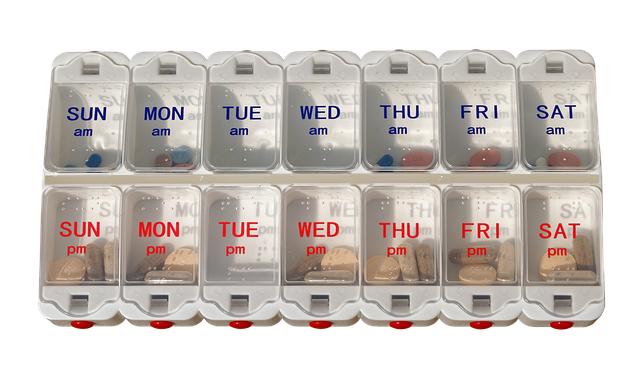
A pill dispenser is a device designed to store, organize, and dispense oral solid medications according to a prescribed schedule. Pill dispensers range from simple, manually loaded boxes with compartments marked by days of the week, to advanced electronic pill dispensers with alarms, secure locking mechanisms, and remote monitoring capabilities for caregivers and providers. The core function of all dispensers is to reduce confusion, organize complex regimens, and promote safe medication governance.
Types of Pill Dispensers
- Manual pill organizers: Simple plastic or silicone boxes labeled by day, date, and time of dosing.
- automated/electronic dispensers: devices with programmable reminders, alarms, and even mobile integration.
- Locked pill dispensers: Special devices that prevent accidental or intentional overdose by limiting access.
- Travel pill dispensers: Compact units for medication management during travel or periods away from home.
Who Should Use a Pill Dispenser?
pill dispensers are particularly beneficial for:
- Older adults with memory or cognitive decline (e.g., those with Alzheimer’s disease or mild cognitive impairment)
- Individuals with complex regimens, including those with polypharmacy
- Patients with visual impairments, manual dexterity issues, or other physical limitations
- people with chronic mental health conditions or intellectual disabilities
- Caregivers managing medications for dependents or family members
Research published in JAMA demonstrates that structured medication aids, such as pill dispensers, can significantly reduce medication errors and improve health outcomes, particularly among high-risk populations.
How to Choose the Right Pill Dispenser
Selecting the appropriate pill dispenser is essential for ensuring both safety and feasibility. Consider the following:
- Medication regimen complexity: Number of daily doses, types of drugs, and frequency of administration.
- Patient’s cognitive and physical abilities: Ensure the device suits the individual’s capacity to operate it independently.
- Technological features: Alarms, audio-visual prompts, or mobile notifications, and whether remote monitoring is needed.
- Portability and discretion: For individuals who need to take doses outside the home.
- Security needs: Consider lockable dispensers for children, vulnerable adults, or those at risk of misuse or overdose (FDA).
Consultation with a pharmacist or healthcare provider can be invaluable when choosing a device tailored to specific needs.
Step-by-Step Guide: Using a Pill Dispenser for Maximum Safety
Correct use of a pill dispenser involves systematic steps, aiming to ensure that patients receive the right medication, in the correct dose, at the correct time, every time. The process is underpinned by principles from clinical pharmacology, patient safety, and human factors engineering.
1. Read and Collect All Medication Information
- Gather all prescription and over-the-counter medications, supplements, and as-needed treatments.
- Refer to the most up-to-date medication chart or list provided by your physician or pharmacist.
- Thoroughly read each label and medication guide for dosing,timing,special instructions (e.g., take with food), and storage information (FDA Drug safety Communications).
2.Clean and Prepare the Pill Dispenser
- Wash hands thoroughly before handling medications.
- Ensure the dispenser is clean and free from residue or contamination. Wash with warm, soapy water and let it air dry if reusable. For electronic dispensers, follow instructions for maintenance and avoid moisture exposure.
- Inspect compartments for damage, cracks, or residue from past use (CDC Infection Control Guidelines).
3. Organize and Fill the Dispenser
- Work in a well-lit, uncluttered area to reduce distraction and error.
- Fill each compartment according to the prescribed schedule: morning,noon,evening,or night.
- Double-check each medication’s appearance (color, shape, imprint) before placing it in the dispenser.
- Separate medications that must not be stored together or are sensitive to environmental conditions, following drug storage guidelines.
- If using an electronic dispenser, program the schedule and alarms according to the doctor’s instructions.
4. Record Keeping and Cross-Checking
- Maintain an updated medication list, noting any changes in regimen or dosage by your healthcare provider.
- If possible, use a double-check system—ask a second person, pharmacist, or caregiver to review the filled dispenser before use (harvard Health: Avoid Drug Mistakes).
5.Secure and Store the Dispenser Properly
- Keep the filled dispenser stored at the recommended temperature, away from moisture, sunlight, and children’s reach.
- If the unit is lockable,use the security feature especially for homes with vulnerable individuals or children (CDC: Safe Medication Storage).
6. Administering Medication: Following Correct Protocol
- take medications at allocated times, following all label instructions (e.g., with or without food, with water).
- Caregivers should directly observe dosing when possible, particularly for individuals with cognitive impairment or high-risk medications.
- Document each dose taken, either manually (e.g., a logbook) or through automated app tracking for smart dispensers.
7. Troubleshooting Common Issues
- If a dose is missed, refer to medication instructions for guidance—never double dose unless explicitly advised (MedlinePlus: Missed Dose Instructions).
- If compartments jam, alarms fail, or medications are displaced, immediately inspect the device and consult the manufacturer or pharmacist.
- For medication mix-ups, contact your healthcare provider for risk assessment and next steps.
8. Regularly Updating and Auditing
- Regularly review regimens with your healthcare provider, especially after hospital discharge, new prescriptions, or dosage changes.
- Replace damaged, dirty, or malfunctioning dispensers according to manufacturer or pharmacy guidance.
- Consider an annual “medication reconciliation” session with your pharmacist (NCBI: Medication Reconciliation in Health Care).

Advanced Pill Dispensers: Features and Safety Considerations
Modern pill dispensers, particularly those incorporating digital health technologies, provide added layers of protection and convenience:
- Programmable reminders: Audible, visual, or phone-based alarms reduce the risk of missed doses.
- Locking mechanisms: Prevent unauthorized or accidental access, reducing overdose and diversion risk.
- Mobile app integration: Enables off-site monitoring by caregivers and real-time adherence tracking (Healthline: Medication Reminder Apps).
- Dose tracking: Some devices log when a dose is taken,supporting documentation and safety in populations at risk for nonadherence.
However, with more features come additional considerations. Ensure any device storing personal health data complies with privacy standards (such as HIPAA in the U.S.). Check for regular maintenance needs, battery life, and accessibility for persons with disabilities (NIH: Ensuring Medical Device Safety).
Caregiver and Healthcare Professional Roles in Pill Dispenser Use
Caregivers and medical professionals are pivotal in preventing medication errors and optimizing safety:
- Pharmacists can perform comprehensive medication reviews and recommend the most suitable dispenser (NCBI: Pharmacist’s Role in Medication Management).
- Nurses or home health assistants may assist in weekly refilling and provide periodic check-ins for device function and patient technique.
- Caregivers should encourage patients to report side effects, device issues, or missed doses, and regularly audit for emptied compartments and dispensed pills.
Education and collaborative care are essential; routine reinforcement of safe practices is associated with higher levels of adherence and fewer adverse drug events (JAMA: Interventions to Improve Medication Adherence).
Special Considerations: Pediatric,Geriatric,and High-Risk Populations
Pill dispenser use in pediatric,geriatric,or cognitively impaired populations raises distinct safety needs:
- Pediatric patients: Caregivers are responsible for dispensing; child-proof designs are essential (NHS: Giving Medicine to Children).
- Elderly patients: Designs with large, clear labels and ease of manipulation, such as pop-open lids, are critical.Adaptations may also support those with arthritis or vision loss.
- Palliative care/frail patients: Review necessity of each drug; de-prescription may be appropriate (The Lancet: Deprescribing in Palliative Care).
Always consult with appropriate experts such as pediatricians, geriatricians, and clinical pharmacists for device selection and ongoing regimen review.
Risks,Limitations,and Safety advisories
Despite significant benefits,pill dispensers are not foolproof:
- Damage,misfilling,or malfunction can still lead to errors—always check device integrity before each fill.
- Loss or theft poses personal health and security risks, especially with controlled substances. Use lockable units for vulnerable regimens (FDA: Lock It up).
- Mental health and cognition: Individuals may struggle to interpret alarms or use devices if cognitive impairment worsens; periodic reassessment is necessary.
- Special medication forms: Not all pharmaceuticals (e.g.,liquid,injectable,refrigerated drugs) can be stored in standard pill dispensers. Always verify with your pharmacist or provider before loading such medications (Mayo Clinic: Medicine Storage Guidelines).
Troubleshooting and Frequently Asked Questions (FAQ)
What should I do if I forget to take a dose?
Never double up unless instructed by your prescriber. Most medication labels and health resources, such as MedlinePlus: Missed Dose guide,offer instructions for specific medications.
What if medications change mid-week?
Remove or adjust doses as instructed by your prescriber, discard unused medications as per safe disposal guidelines, and re-label if needed.For major changes, consider starting a fresh fill cycle.
How frequently enough should dispensers be cleaned?
At minimum, clean once weekly during refill, and immediately if medications spill or become moist. Follow device-specific instructions and use non-abrasive, mild cleaning agents (CDC).
Are automated dispensers safe for all users?
While beneficial, they require some technical comfort; elderly or disabled patients may need support. Check for devices with simplified interfaces or consider caregiver-managed setups (NCBI).
Global Standards and Regulatory Guidelines
Regionally and internationally, safety standards for medical devices—including pill dispensers—are defined by government agencies such as the U.S. Food and Drug Administration (FDA), NHS,and WHO. Devices must meet safety, labeling, and usability standards.Always purchase from reputable, regulated suppliers, and follow local pharmacist or healthcare provider advice regarding device safety.
Conclusion: Optimizing Medication Safety through proper Pill Dispenser Use
Correct use of a pill dispenser is a proven strategy to boost medication safety, adherence, and treatment efficacy. Whether for older adults, those with complex regimens, or patients with cognitive or physical impairments, the right device—used with attention to detail and ongoing professional support—prevents serious medication errors and fosters independence. Collaborate closely with your healthcare team,maintain rigorous organization and cleanliness,and regularly reassess both the device and the treatment plan to adapt to changing health needs. for more comprehensive support, consult a clinical pharmacist or primary care provider who can provide tailored recommendations and ongoing oversight.
For more information and updates on medication safety and best practices, visit resources such as the CDC Medication Safety Program, Mayo Clinic, or Harvard Health Publishing.