
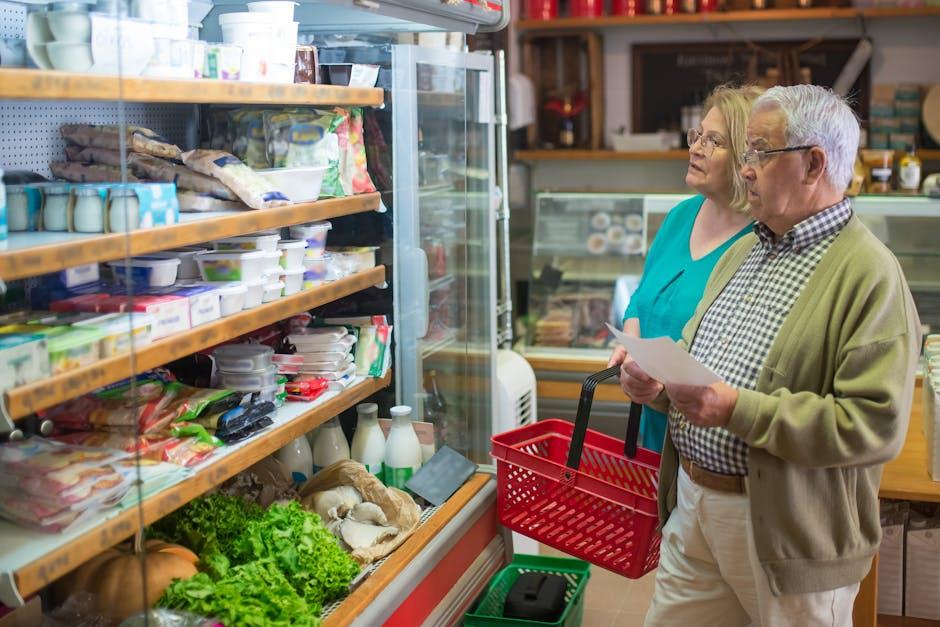

How to Grocery Shop Smart Without Dieting
Introduction
Dieting—often defined as a temporary and restrictive change to eating habits—rarely leads to lasting, long-term health improvements. Mounting evidence suggests that restrictive diets can result in nutrient deficiencies, metabolic adaptations, and yo-yo weight fluctuations that exacerbate health risks (NIH). Instead,a shift toward mindful food choices and strategic grocery shopping—without teh rigidity of dieting—can significantly improve nutritional status,reduce the risk of chronic diseases,and foster a positive relationship with food. This guide provides actionable strategies rooted in current clinical research and public health recommendations to help individuals shop smartly at the grocery store, emphasizing sustainable, evidence-based eating behaviors rather than restrictive diets.
Why Most diets Fail and the Case for Smart Grocery Shopping
Conventional diets frequently enough focus on eliminating entire food groups or dramatically reducing caloric intake. This can lead to physiological and psychological stress, and a high likelihood of regaining lost weight (JAMA). Research shows that over 80% of people regain the weight thay lose on restrictive diets within five years (PubMed).
Conversely, smart grocery shopping supports a balanced, nutrient-dense dietary pattern that is associated with improved cardiometabolic health, reduced obesity rates, and enhanced quality of life (Harvard Health). Instead of demonizing foods or meticulously tracking macros, the approach emphasizes accessible, adaptable habits that foster sustained well-being.
The Foundations of Smart Grocery Shopping
Smart grocery shopping is a holistic strategy grounded in nutritional science and behavioral psychology. Key components include:
- Prioritizing Whole Foods: Unprocessed or minimally processed foods offer the widest range of nutrients and phytochemicals (WHO).
- Reading Nutrition Labels: Understanding food labels enables consumers to make more informed choices regarding hidden sugars, sodium, and unhealthy fats (FDA).
- Planning and Mindfulness: Creating grocery lists, planning meals, and avoiding impulse buys enhances dietary quality and financial prudence (CDC).
- Balancing Nutrition and Enjoyment: Countering diet-related anxiety by allowing all foods in moderation and focusing on variety improves adherence and satisfaction (Medical News Today).
Evidence-Based Benefits of Smart grocery Shopping
Adopting a smart, structured approach to grocery shopping is consistently associated with positive health outcomes:
- Cardiovascular Health: Diets high in vegetables, fruits, whole grains, legumes, and nuts—and lower in added sugars or saturated fat—reduce cardiovascular disease risk (AHA).
- Metabolic Benefits: Evidence indicates that meal planning and conscious purchasing patterns lead to improved glycemic control and lower prevalence of type 2 diabetes (PubMed).
- Cognitive Health: Consuming a varied, nutrient-rich diet supports cognitive resilience and may delay age-associated neurodegenerative changes (NIH).
Preparation: How to Plan Your Grocery List
Strategic preparation begins long before setting foot in the grocery store. Utilizing a structured grocery list, grounded in the principles below, is supported by research as a notable predictor of improved dietary quality (PubMed):
- Inventory Review: Assess your pantry and refrigerator to cut waste and avoid duplicate purchases.
- Meal Planning: Outline meals and snacks for the upcoming week, prioritizing balance, color, and variety.
- building Balanced Lists: Ensure all food groups are represented—fruits,vegetables,protein,whole grains,healthy fats,and dairy or dairy alternatives.
- Evidence-Based Swaps: Consider substituting refined grains for whole grains, sugary drinks for water or herbal tea, and processed meats for fish or legumes (Harvard Health).
Understanding Nutrition Labels and Ingredients
Learning to interpret nutrition labels is core to smart shopping. The FDA outlines critical components to assess:
- Serving Size: Always compare portion sizes to actual intended serving.
- Total Calories and Macronutrients: Assess calories per serving, as well as sources of protein, carbohydrates, and fats.
- Fiber and Sugar: Choose products with high fiber and lower added sugars where possible.
- Sodium and Fats: Monitor total sodium intake and limit trans fats (CDC).
- Ingredient Lists: Look for short,comprehensible ingredient lists,avoiding products where added sugars,sodium,or chemical additives are predominant (Healthline).
Strategies for Each Section of the Grocery Store
Produce Section: Maximizing Nutrient Density
Aim for diversity in color and texture for both micronutrient sufficiency and phytochemical intake. Consistently consuming a wide variety of produce is linked to lower incidence of many chronic illnesses, including heart disease and certain cancers (WHO). Select a mixture of leafy greens, cruciferous vegetables, berries, citrus, and root vegetables. When possible, prioritize seasonal and local produce for optimal freshness and nutrient retention.
Whole Grains: Making Healthier Choices
Whole grains—such as brown rice, oats, barley, and quinoa—retain their bran and germ, offering substantially more fiber, vitamins, and minerals than refined options. High intake of whole grains is associated with a reduced risk of colorectal cancer, type 2 diabetes, and coronary heart disease (PubMed). Examine packaging for “100% whole grain” or “whole [grain name]” as the first ingredient.
Protein Section: Lean, Plant-Based, and Sustainable Choices
Package labels can be misleading, especially regarding red and processed meats, which are linked to increased cancer and cardiovascular risks (WHO). Select fish, skinless poultry, legumes, tofu, and low-fat dairy for general health protection (Harvard Health). When choosing plant-based proteins, consider the sodium and additive content in processed vegan products.
Dairy and Non-Dairy Alternatives: Considerations for Calcium and Vitamin D
Dairy provides calcium, vitamin D, and protein, but lactose intolerance or vegan preferences may warrant alternatives. Choose fortified non-dairy beverages (like almond, soy, or oat milk) with calcium and vitamin D added (PubMed). Assess total sugar content and try unsweetened versions when possible.
Frozen and Canned Foods: Convenience with Caution
Frozen fruits and vegetables are as nutritious as fresh and are a convenient way to expand variety without spoilage (PubMed). Opt for products with no added sugars or sodium. Rinse canned beans and vegetables to reduce salt content, and avoid products with syrup or brine.
Snack and Beverage aisles: Smart Selections
Intentionally add snacks that are nutrient-dense, such as nuts, seeds, or whole-grain crackers. Limit sugar-sweetened beverages, as regular intake is associated with increased risk of obesity, type 2 diabetes, and metabolic complications (CDC).Choose water, herbal teas, or low-calorie beverages when possible.

Behavioral and Psychological Strategies for Success
Behavior change lies at the core of effective, sustainable nutrition. Key evidence-based techniques include:
- Mindful Shopping: Practice purposeful, non-reactive shopping. Stick to your grocery list and avoid shopping when hungry, which leads to higher-calorie, impulse purchases (Harvard Health).
- Shopping the Perimeter: Most whole, less-processed foods like produce, meats, dairy, and bakery items are located around the perimeter of supermarkets.
- Understanding Marketing Traps: Be wary of misleading claims such as “natural,” “multigrain,” or “low-fat,” which do not guarantee better nutrition (FDA).
- rewarding Consistent habits: Small,repeated successes build momentum.Celebrate ongoing behavioral improvements,not perfection.
Sample Shopping List and Meal Planning Framework
Below is an example shopping list and weekly meal plan designed for balanced nutrition,variety,and convenience.
| Category | Example Items |
|---|---|
| Vegetables | Spinach, kale, broccoli, bell peppers, carrots, tomatoes |
| Fruits | Berries, apples, bananas, oranges, grapes |
| Whole Grains | Brown rice, quinoa, oats, whole wheat bread |
| Protein | Chicken breast, salmon, eggs, black beans, lentils, tofu |
| Dairy/Alternatives | Greek yogurt, milk, fortified soy milk, cheese |
| Healthy Fats | Olive oil, avocado, almonds, walnuts, chia seeds |
| snacks | Hummus, unsalted nuts, air-popped popcorn, whole grain crackers |
Weekly meal plans should mix and match items from each category, prioritizing color, texture, and flavor for both enjoyment and nutrition.
Common Pitfalls and Solutions
- Impulse Buying: Stick to your structured grocery list; consider online ordering or curbside pickup to limit temptation (Healthline).
- Over-Reliance on Convenience Foods: These are often higher in sodium, sugar, and unhealthy fats. Balance convenience with nutrient-dense fresh or frozen options.
- Misinterpreting Labels: Take time to read and understand each label, rather than relying on the package front or marketing slogans (MedlinePlus).
- Shopping While hungry: Eat a small meal or snack beforehand to prevent overpurchasing calorie-dense items.
Sustainability and Budget Considerations
smart grocery shopping does not necessitate more expensive or exotic foods. Practical strategies for maximizing nutritional quality while staying on budget include:
- Buy in Bulk: Whole grains, canned beans, frozen fruits and vegetables are cost-effective and reduce price-per-serving.
- Prioritize Seasonal Produce: In-season fruits and vegetables are typically more affordable, flavorful, and nutrient-rich (CDC).
- Use Unit Pricing: Compare price per weight or volume to identify the best value.
- Limit Discretionary Items: Processed snacks and sugary drinks inflate grocery bills without supporting nutrition.
Inclusivity: Adapting Smart Shopping to Different Dietary needs
Medical comorbidities and cultural or religious beliefs may necessitate individualized food choices. Such as:
- Diabetes: Prioritize complex carbohydrates, dietary fiber, and lean proteins while monitoring total carbohydrate load (American Diabetes Association).
- Hypertension: Seek products lower in sodium, rich in potassium (like bananas, spinach), and avoid processed meats or canned soups (CDC).
- Allergies and Intolerances: Scrutinize ingredient lists for allergens,and consider allergen-free product lines.
- Plant-Based Diets: emphasize a variety of legumes, nuts, seeds, whole grains, and fortified foods for complete protein and micronutrient intake (Harvard Health).
Practical Tools: Apps and Digital Resources for Grocery Shopping
Numerous digital resources enhance organization, accountability, and nutrition literacy, including:
- Grocery list Apps: Tools like Yummly, Paprika, or Mealime can automate and customize grocery lists, reducing forgotten essentials and impulsive shopping.
- Nutrition Trackers: MyFitnessPal or Cronometer help analyze pantry choices and offer label scanning to cross-reference nutrition data with medical recommendations.
- Official Guidelines: Regularly consulting evidence-based sources such as the USDA MyPlate,NHS Eat Well, or Australian Healthy Eating Guidelines further supports informed decisions.
Smart Grocery shopping: Beyond Nutrition
Smart shopping can impact broader determinants of health and well-being, such as reducing food waste, promoting planetary health via sustainable purchasing, and supporting ethical food systems. Adopting an environmentally conscious approach—like buying organic when feasible, supporting local producers, or choosing Fair Trade–certified staples—contributes to global health and food security (WHO).
Conclusion
Grocery shopping smartly—without the constraints of dieting—offers robust, long-term advantages for both physical and psychological health. Drawing on the latest evidence from nutrition science and behavioral research, this approach champions informed preparation, label literacy, whole-food prioritization, and diversity in food selection. By making small, consistent shifts in food purchasing and meal planning, individuals can support their metabolic health, reduce disease risk, and enjoy eating as a source of nourishment and satisfaction. For those with comorbidities or special dietary requirements,slight adaptations support inclusivity and safety,while digital tools provide ongoing education and practical support. The journey toward better health does not require restrictive diets but, rather, sustained, evidence-based grocery habits that are accessible to all.
For further guidance tailored to your unique medical needs, consult with a registered dietitian or healthcare provider.
References
- World Health organization – Healthy Diet Factsheet
- CDC – Healthy Eating for a Healthy Weight
- NIH – Smart Shopping
- American Heart Association – Shopping for Healthy foods
- Healthline – 16 Smart tips for Healthy Grocery Shopping
- FDA – Understanding the Nutrition Facts Label
- MedlinePlus – Nutrition and Healthy Eating
- Harvard Health – Why Healthy Eating Is Worth It
- PubMed – Nutrition and Diet Research