


What to Do If You Constantly Feel Like a Burden
Introduction
Feelings of being a burden are surprisingly common and can profoundly affect mental health and quality of life. This experience may emerge in contexts of chronic illness, disability, caregiving, or during periods of psychological distress such as depression or anxiety. According to the World Health Organization (WHO), mental health issues-including feelings of worthlessness and burdensomeness-have become a global concern, with persistent negative self-perceptions correlating with poor health outcomes, social isolation, and increased risk of self-harm or suicide. Recognizing and addressing these feelings with evidence-based strategies is essential both for individual well-being and public health.
Understanding the Feeling of Being a Burden
Definition and Symptomatology
Feeling like a burden refers to a persistent sense of being an inconvenience or drain on others-whether family, friends, caregivers, or society. This experience can manifest as guilt, shame, low self-esteem, and social withdrawal. Clinically, these symptoms often overlap with criteria for mood disorders and can be identified by trained professionals using validated screening tools like the Patient Health questionnaire (PHQ-9), which evaluates depressive thought patterns including self-worth.
Epidemiology and Risk Factors
Epidemiological studies suggest that feelings of burdensomeness are prevalent among individuals with chronic illnesses, disabilities, older adults, and those undergoing notable life changes. Such as, a survey published by the JAMA Psychiatry highlights heightened rates among people with major depressive disorder, traumatic injuries, or progressive conditions such as multiple sclerosis.
- Chronic physical illness: Ongoing health challenges may foster dependency and self-stigma.
- mental health disorders: Depression, anxiety, and PTSD are strongly associated with feelings of being a burden.
- Older adults: Functional impairment and changes in family dynamics frequently enough lead to self-perceived burdensomeness.
- Social isolation: Lack of meaningful social connections can exacerbate negative self-appraisal.
Theoretical Frameworks: Why Does This Happen?
medical and psychological research identifies several theoretical underpinnings.The Interpersonal Theory of Suicide posits that perceived burdensomeness-coupled with social alienation-is a prominent risk factor for suicidal ideation. Social comparison theory and the stigma paradigm further explain how individuals internalize negative beliefs about their dependency or illness, fueling a cycle of guilt and withdrawal (Harvard Health).

Clinical Impact and Health Consequences
Mental Health Implications
Persistent self-perceptions of being a burden are closely linked to major psychiatric conditions. A meta-analysis in the Lancet Psychiatry showed a strong association between chronic feelings of burdensomeness and suicidal ideation. These feelings may directly worsen depressive and anxious symptomatology, delay recovery, and hinder motivation to seek help.
Physical Health Outcomes
The health impacts extend beyond mental well-being. Emotional distress may amplify physical symptoms,weaken immune function,impede treatment adherence,and exacerbate comorbidities (NIH: Psychoneuroimmunology).For older adults or those with chronic conditions, a persistent sense of burdensomeness can adversely affect prognosis by increasing the risk of institutionalization and hospital readmissions (CDC: Aging & Health).
Impact on Relationships and Social Function
Feelings of being a burden often result in reticence to ask for help, leading to further social isolation and erosion of personal support networks. This may trigger interpersonal conflicts, caregiver burnout, and breakdowns in communication, all compounding the original sense of burdensomeness (NHS: Loneliness).
Why Do You feel Like a Burden?
Psychological Pathways
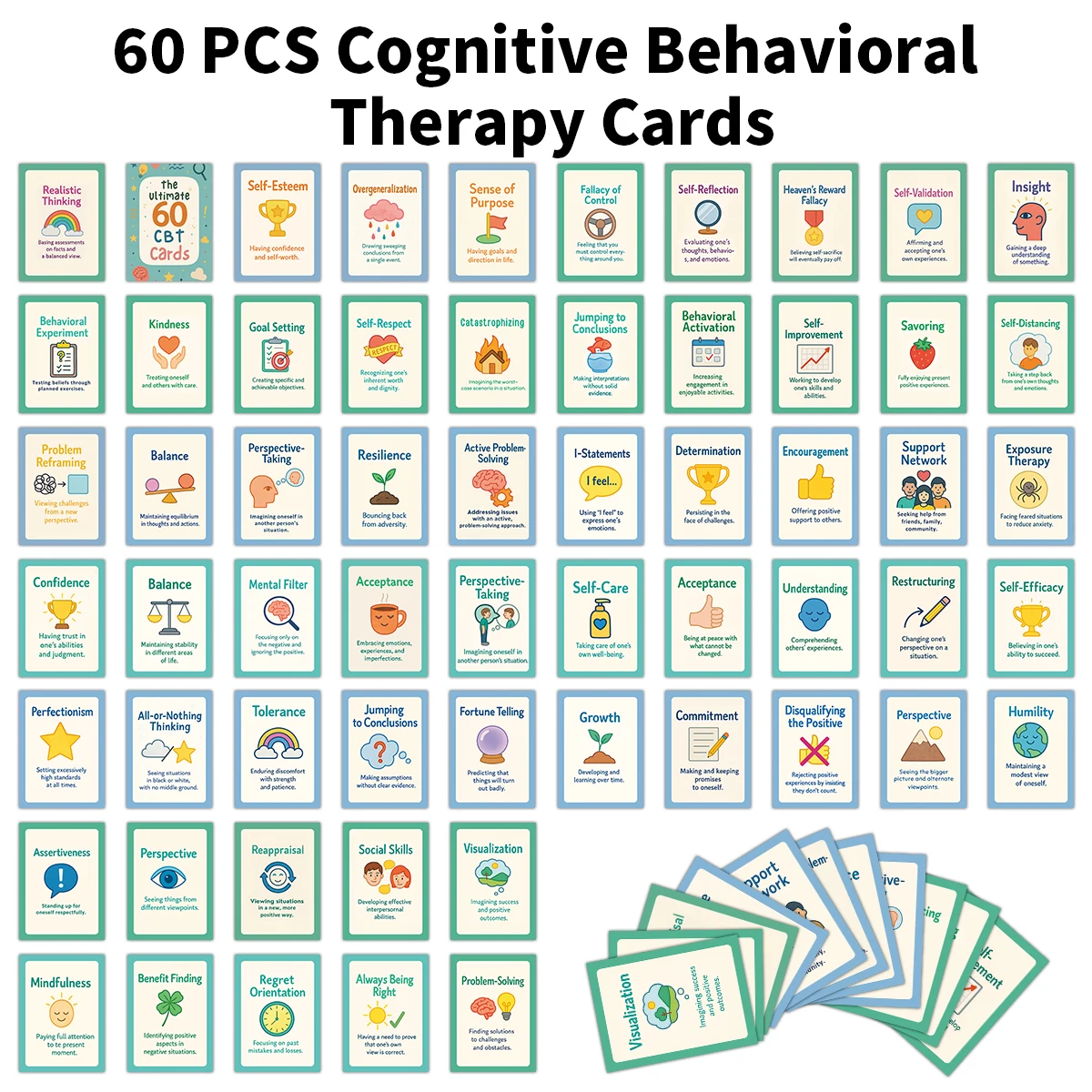
Common cognitive distortions play a significant role in perpetuating this emotion. Negative self-talk, catastrophizing, and overgeneralization contribute to distorted beliefs about self-worth and social value. For many, these thought patterns are rooted in early life experiences, cultural messaging, or episodes of trauma. Cognitive Behavioral Therapy (CBT) research shows that reframing these distortions is key to recovery (Healthline: CBT).
Biological Factors
Emerging studies suggest neurobiological contributors as well. Neurotransmitter imbalances-such as decreased serotonin and dopamine-are implicated in mood disorders,which,in turn,are associated with persistent negative self-perception. Genetics, chronic pain, and inflammation also play contributory roles (Medical News Today: Depression Biology).
Social and Cultural Influences
societal values around productivity, independence, and “not being a burden” may exacerbate guilt and shame. Marginalized groups and individuals with disabilities are particularly vulnerable due to pervasive social stigma and lack of systemic support (CDC: Disability Impacts).
How to Recognize When You Need Help
Warning Signs
- Persistent feelings of guilt, shame, or hopelessness
- Social withdrawal or avoidance of relationships
- Thoughts of self-harm or suicide
- Decreased engagement in enjoyable activities
- Expressing feeling “in the way” or devalued
If you recognize any of these symptoms in yourself or a loved one, it is critical to seek professional assessment. Primary care providers, mental health specialists, and crisis intervention services (such as the 988 Suicide & Crisis Lifeline in the U.S.) can offer immediate guidance.
evidence-based Strategies for Addressing feelings of Being a Burden
Cognitive Behavioral Interventions
CBT remains the gold-standard psychological approach for addressing negative self-perception. Research published by the NIH demonstrates that cognitive restructuring and behavioral activation considerably reduce self-stigmatizing thoughts.Therapists help clients identify and challenge cognitive distortions, replace them with healthier beliefs, and develop coping skills to manage emotional distress.
Acceptance and Commitment Therapy (ACT)
ACT emphasizes mindfulness, acceptance of challenging emotions, and commitment to deeply held values rather than avoidance or self-criticism. Meta-analyses show ACT to be effective for individuals struggling with both chronic illness and psychological distress (NIH: ACT Review).
Social Support and Community Engagement
Robust social support has consistently been shown to buffer against negative mental health outcomes and perceived burdensomeness. Even small increases in meaningful social contact-whether through peer support groups, volunteering, or facilitated group therapy-can reduce isolation and foster a sense of shared purpose (NIH: Social Support).
Family-Based Interventions and Caregiver education
Family therapy and psychoeducation have been shown to improve outcomes for both individuals and their support networks.Educating loved ones about mental health, effective communication, and caregiver burnout helps reduce misunderstandings and fosters mutual empathy (Mayo Clinic: Caregiver Stress).
medication and Biological Treatments
For individuals with coexisting depression, anxiety, or other psychiatric disorders, pharmacological intervention may be essential. Selective serotonin reuptake inhibitors (SSRIs), serotonin-norepinephrine reuptake inhibitors (SNRIs), and other agents can help alleviate underlying mood symptoms contributing to negative self-image (NIH: Mental Health Medications).
Self-Help and Lifestyle modification
- Physical activity: Regular aerobic exercise is associated with a significant reduction in depressive symptoms (Harvard health).
- Nutrition: A diet high in omega-3 fatty acids, lean proteins, and fruits and vegetables supports brain health and mood regulation (Healthline: Foods for Depression).
- Mindfulness and meditation: Mindfulness-based interventions have shown efficacy in managing ruminative or negative thought patterns (NIH: mindfulness Review).
- Journaling or expressive writing: Expressive writing about one’s feelings has been shown to foster resilience and emotional regulation (NIH: Expressive Writing Study).

Support Systems and Where to Find Help
When to Seek Professional Help
If feelings of burdensomeness persist beyond two weeks, interfere with daily functioning, or are accompanied by thoughts of self-harm, professional intervention is strongly advised. Early engagement with a licensed counselor, psychologist, or psychiatrist is a critical determinant of long-term recovery (Medical News Today: Counseling).
Types of Professionals
- Primary care providers: Frequently enough the first point of contact, capable of screening and referring to specialists.
- Psychologists and counselors: Experts in talk therapy and behavioral interventions.
- Psychiatrists: Medical doctors specializing in medication management for mental health.
- Social workers and case managers: skilled at connecting people with community resources.
Online and Telephone Resources
A variety of 24/7 hotlines, telepsychiatry services, and online platforms are available in many regions. The SAMHSA National Helpline and local crisis lines can provide immediate, confidential support.
Peer Support and Community Groups
Support groups-whether in-person or virtual-offer shared validation,collective wisdom,and decreased isolation. Organizations such as the National Alliance on Mental Illness (NAMI) facilitate group meetings focusing on mental health recovery and peer-led education.

Tips for Communicating Your Needs
Effective Communication Strategies
- Use “I” statements: Express how you feel without assigning blame (e.g., “I feel overwhelmed by my situation.”).
- Be specific: Clearly articulate what support would be helpful (“Could we set aside 15 minutes to talk about my feelings?”).
- Prepare before discussions: Journaling or rehearsing can clarify your thoughts and make communication easier.
- Normalize vulnerability: Remind yourself and others that needing help is both common and reasonable.
- Set boundaries: Clearly outline what is and isn’t helpful,and respect the limits of others.
Preventing Caregiver Burnout and Family Strain
Worry about being a burden is frequently enough linked to anxieties about caregiver stress. Family members should be educated about the risk factors for caregiver burnout, including emotional exhaustion, irritability, and physical health decline. Interventions might include shared care plans, scheduled respite breaks, and regular family check-ins.
- Encourage open dialog: Routine family meetings foster obvious communication and joint problem-solving.
- Access respite care: Temporary relief helps prevent overload and resentment.
- Promote self-care: Families should be reminded that maintaining their own physical and mental wellness is equally important.
Long-Term Recovery: Building Self-Compassion and Resilience
Self-Compassion Practices
Self-compassion involves treating oneself with the same kindness and understanding extended to others. Clinical trials reveal that self-compassion training can reduce internalized shame, increase hope, and improve recovery rates in those experiencing mental health challenges (JAMA Psychiatry: Self-Compassion Study).
- Mindful self-awareness: Recognize and name self-critical thoughts without judgment.
- Reframe setbacks: accept imperfection as universal and remind yourself that dependency is a normal part of human life.
- Practice gratitude: Focus on small positive experiences and celebrate mutual support within relationships.
Goal Setting and Personal Growth
Evidence supports the use of SMART goals-Specific, Measurable, Achievable, Relevant, Time-bound-to foster a sense of autonomy and purpose. Incrementally accomplishing small, meaningful goals can restore confidence and positive self-perception.

Frequently Asked Questions (FAQ)
| Question | Answer |
|---|---|
| Is it normal to feel like a burden during illness or crisis? | Yes, this is a common psychological response, particularly among those facing health challenges, disability, or mental health struggles. Seeking help is an important first step toward relief. |
| How can I tell close ones how I feel without upsetting them? | Use open, non-blaming language and specify the support you need.Encourage feedback and allow them to share their own feelings, reinforcing mutual trust. |
| will these feelings go away on their own? | In some cases they may diminish, but for many, persistent negative perceptions require professional intervention and intentional effort to resolve. |
| Can medication help? | If you also experience depression, anxiety, or related disorders, appropriate medications may alleviate core symptoms and improve self-perception. This should be discussed with a qualified mental health professional. |
| Are there culturally sensitive approaches? | Yes, culturally informed therapy can address unique societal pressures and beliefs that contribute to feelings of burdensomeness. Seek practitioners with relevant expertise. |
Conclusion
Chronic feelings of being a burden are a serious health concern with significant implications for mental and physical well-being.Professional assessment, evidence-based therapies, strong social support, and tailored self-help strategies all play key roles in overcoming these thoughts. If you-or someone you care about-are struggling with persistent feelings of burdensomeness, recognize that effective help is available, and recovery is possible. Each step toward seeking support is not just an act of self-care, but of courage and hope. For immediate assistance,contact a mental health professional or local helpline for guidance tailored to your individual needs.
References
- WHO: Mental Health
- CDC: Aging and Health
- NIH: PHQ-9 Diagnostic Tool
- JAMA Psychiatry: Perceived Burdensomeness
- Lancet Psychiatry: Suicide Risk
- Harvard Health: Self-Judgment
- NIH: Psychoneuroimmunology
- NHS: Feeling Lonely
- Healthline: Cognitive Behavioral Therapy
- Medical News Today: Depression Biology
- NIH: Social Support and Health
- mayo Clinic: Caregiver Stress
- NIH: Mental Health Medications
- Harvard Health: Exercise and Depression
- Healthline: Foods for Depression
- NIH: Mindfulness Interventions
- NIH: Expressive Writing
- SAMHSA National Helpline
- National Alliance on Mental Illness (NAMI)
- NIH: SMART Goals
- JAMA Psychiatry: Compassion Interventions