

What Are the Most Common Early Symptoms of COPD?
Introduction
Chronic Obstructive Pulmonary Disease (COPD) is a progressive and perhaps life-threatening respiratory disorder characterized by persistent respiratory symptoms and airflow limitation. Globally, COPD represents a meaningful health burden, being the third leading cause of death worldwide, responsible for an estimated 3.2 million deaths annually according to the World Health Organization (WHO). Early detection of COPD is critical to implementing effective intervention strategies, slowing disease progression, and improving quality of life. This article explores, in detail, the most common early symptoms of COPD, their underlying pathophysiological mechanisms, clinical impact, and the importance of prompt recognition.
Understanding COPD: Definition and Pathophysiology
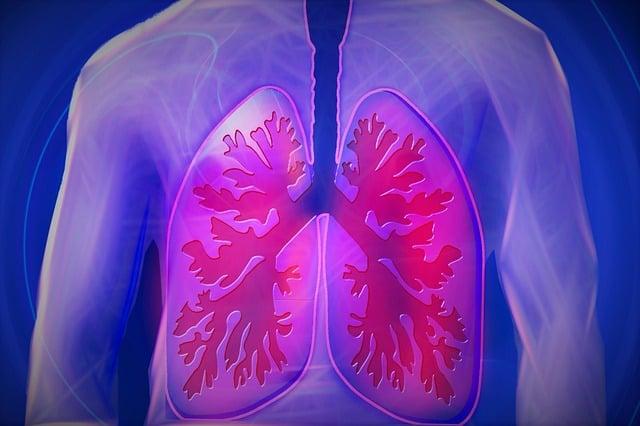
COPD is an umbrella term encompassing chronic bronchitis and emphysema, both of which lead to obstructed airflow in the lungs and chronic respiratory symptoms.the hallmark of COPD is its progressive, irreversible airflow limitation primarily caused by chronic inflammatory responses to inhaled noxious particles or gases, commonly from cigarette smoke.[CDC]
COPD pathophysiology involves:
- Chronic Bronchitis: Inflammation and narrowing of the bronchial tubes (airways), leading to increased mucus production.
- Emphysema: Damage and destruction of alveolar walls, reducing the surface area for gas exchange.
Thes pathological changes collectively result in chronic cough, sputum production, dyspnea (shortness of breath), and, over time, significant limitations in daily activity.
Epidemiology and Risk Factors
COPD affects over 250 million people worldwide and is most commonly diagnosed in individuals over 40 years of age with a history of smoking. The major risk factors include:
- Tobacco Smoking: By far the most significant cause of COPD globally.
- Occupational Exposure: Dust, fumes, chemicals.
- Environmental Pollutants: Indoor air pollution from biomass fuels.
- Genetic Predisposition: E.g., alpha-1 antitrypsin deficiency.
It is essential to recognize COPD’s risk factors as they contextualize the emergence of early symptoms and guide screening strategies for high-risk populations.[NIH]
Why Early Symptom Recognition Is crucial
Recognizing early COPD symptoms allows for earlier intervention with smoking cessation, pharmacologic therapy, pulmonary rehabilitation, and lifestyle modification. This, in turn, can delay progression, reduce hospitalizations, and improve clinical outcomes. Unrecognized or ignored early symptoms frequently result in delayed diagnosis, by which time considerable lung damage may already have occurred.
The Most common Early Symptoms of COPD
COPD typically develops gradually, and its early manifestations can be subtle and easily mistaken for the effects of normal aging or a “smoker’s cough.” though, research consistently identifies several hallmark early symptoms:
1. Chronic Cough
Chronic cough is frequently enough the first symptom of COPD and is frequently dismissed by patients, particularly those with a history of smoking. Cough is defined as “chronic” when it persists for at least 3 months in 2 consecutive years and is not attributable to another known cause.[Healthline]
- Cough may occur intermittently or be present daily.
- Initially,it is often mild,dry,or may produce small amounts of sputum.
- Over time, it tends to become more frequent and productive.
A chronic cough in adults, particularly smokers or those exposed to occupational irritants, should always prompt further evaluation for COPD.[JAMA]
2. Sputum Production (Chronic Sputum Expectoration)
Chronic sputum production, especially in the mornings, is another early indicator of airway inflammation. Mucus hypersecretion results from hypertrophy of mucus-secreting glands in the bronchi and goblet cell proliferation.
- Early in COPD, sputum is generally mucoid, but can become purulent during exacerbations or infections.
- Regular or increased sputum production, particularly when persistent, supports the diagnosis of chronic bronchitis, a phenotype of COPD.
A patient who not only experiences chronic cough, but also expectorates sputum for extended periods, should be evaluated for possible COPD.[NHS]
3.Early Dyspnea (Shortness of Breath)
Early dyspnea, particularly exertional, is a critical early symptom of COPD. Dyspnea stems from decreased airflow and gas exchange, prompting patients to consciously limit physical activity.
- Initially, shortness of breath occurs only during vigorous activity (e.g.,climbing stairs,brisk walking).
- Over time, dyspnea may occur with minimal exertion or even at rest.
- Many patients unconsciously restrict their activities, attributing symptoms to aging or deconditioning.
Importantly, early exertional dyspnea warrants prompt pulmonary assessment and spirometry.
4.Fatigue and Reduced Exercise Tolerance
While not as specific as cough or sputum production, many individuals with early COPD report increased tiredness, reduced stamina, and impaired ability to keep up with previously routine activities.
Fatigue results from chronic hypoxemia (low blood oxygen), hypercapnia (elevated carbon dioxide), and the added muscular effort of breathing through narrowed airways.
Declining exercise tolerance is often gradual and insidious but can be objectively assessed by simple walking tests or exercise challenge.
Such symptoms, in the context of cough and sputum production, should raise suspicion of underlying pulmonary pathology.[medical News Today]
5. Wheezing and Chest Tightness
Wheezing—a high-pitched whistling sound on exhalation—and chest tightness are less common but nonetheless critically important early symptoms. Wheezing might potentially be intermittent and is caused by turbulent airflow through narrowed airways.
in early COPD, wheezing may be audible only with forced expiration or physical exertion.
Chest tightness is frequently reported as a sensation of heaviness or pressure, rather than pain.
Both symptoms may be overlooked if mild, misattributed to asthma or allergies, or ignored by older adults as part of aging.
Other subtle and Overlapping Early Symptoms
COPD can also include less classic symptoms, particularly in the earliest stages or in individuals with significant risk factors:
- Frequent respiratory infections: increased susceptibility to bronchitis and pneumonia.
- Mild morning headaches: Result of nocturnal hypoventilation and carbon dioxide retention.
- Subtle weight loss: Common in advanced stages, but may begin early in some.
- Anxiety or mild depressive symptoms: Related to chronic oxygen deprivation and physical limitations.
These symptoms, though nonspecific, may help in thorough assessment and risk stratification, especially among smokers and those with occupational exposures.[CDC]
Symptom Progression: From Early Signs to Advanced Disease
The early symptoms of COPD are often subtle, variable, and develop over several years. As disease advances, these initial symptoms—chronic cough, increasing sputum, breathlessness, and wheezing—become progressively severe, leading eventually to marked exercise intolerance, recurrent infections, and irreversible damage. According to the Global initiative for Chronic Obstructive Lung Disease (GOLD), the clinical stages of COPD are defined by both symptom burden and objective spirometric findings.
it is not uncommon for a patient to adapt their activities or ignore early signs until the disease moves to a moderate or advanced stage requiring urgent medical attention.

Comparative Summary Table: Early COPD Symptoms vs. Other Respiratory Disorders
| Symptom | COPD (Early Stage) | Asthma | Chronic Bronchitis (Non-COPD) | Congestive Heart Failure |
|---|---|---|---|---|
| Chronic Cough | Common, especially in smokers | Intermittent, often nocturnal | Common | Occasional, often dry |
| Sputum Production | Mucoid, more in the morning | Rare, unless concurrent infection | Persistent, mucoid or purulent | Rare, typically pink and frothy if present |
| Dyspnea | Progressive, exertional | Acute episodes, variable | Minimal unless severe | Exertional, orthopnea present |
| Wheezing | Possible, intermittent | Frequent | Less common | Rare |
| Fatigue | common with progression | Occasional | Rare | Common |
Recognizing distinguishing features and symptom patterns is crucial for accurate diagnosis and timely treatment.
Risk Factors Magnifying Early Symptom Severity
Some individuals experience more pronounced early symptoms based on genetic, environmental, and lifestyle factors:
- Heavy, long-term tobacco smokers (≥20 pack-years) are more likely to develop severe symptoms earlier in life.[PubMed]
- Persons with pre-existing asthma or childhood respiratory infections are at higher risk for rapid progression.
- Genetic conditions such as alpha-1 antitrypsin deficiency may lead to earlier onset and faster decline.
- Occupational exposures can amplify both frequency and severity of early symptoms.
Evaluating these risk factors in patients presenting with suspicious symptoms increases the likelihood of early identification.
Diagnostic Approach to Early COPD
The diagnosis of COPD in its early stages requires a high index of suspicion, especially in at-risk groups. Key diagnostic strategies include:
- Detailed clinical history: Documenting cough, sputum, dyspnea, exposure to risk factors, and family history.
- Physical examination: Lung auscultation for wheezing/crackles, accessory muscle use (often normal in early cases).
- Spirometry: the gold standard for diagnosing COPD and evaluating airflow obstruction (reduced FEV1/FVC ratio).[NIH]
- Imaging: Chest X-ray usually normal early, but may rule out other causes.
- Alpha-1 antitrypsin testing: In select cases (early onset, no smoking history).
Prompt and accurate diagnosis enables initiation of interventions that may preserve lung function and extend life expectancy.
Clinical Pearls: Why Early Symptoms Are Often Missed
Many early symptoms are nonspecific and attributed to “having a smoker’s cough,” aging,or a sedentary lifestyle.
Smokers may mistakenly normalize mild exertional dyspnea or cough, poning medical evaluation until advanced disease ensues.
Providers may underestimate early symptoms in the absence of significant abnormal findings on examination or imaging.
Greater awareness among healthcare providers and at-risk individuals is vital to narrowing this diagnostic gap.
the Role of Patient education and Self-Assessment
Effective COPD management begins with empowering patients to recognize and report early symptoms. Educational interventions, including public awareness campaigns, risk assessment tools, and engagement between providers and patients, are effective for:
- Urging timely presentation for pulmonary function testing.
- Reducing underdiagnosis and misattribution of symptoms.
- Facilitating smoking cessation and comorbidity screening.
Several validated online tools and questionnaires, such as the Lung Health Checklist by the American Lung Association, can help patients and providers screen for COPD risk.
Management of Early COPD: Why Timely Recognition Matters
Research demonstrates that early intervention in COPD—particularly smoking cessation and initiation of pharmacologic treatment—can significantly slow progression, reduce exacerbation frequency, and enhance quality of life.[Nature]
- Smoking cessation: The most crucial measure to halt disease progression.
- Pharmacotherapy: Inhaled bronchodilators and corticosteroids can relieve symptoms and decrease exacerbations.
- Pulmonary rehabilitation: Exercise, education, and support for improving stamina and reducing breathlessness.[Harvard Health]
- vaccinations: Influenza and pneumococcal vaccines reduce respiratory infection risk.
- Management of comorbidities: Depression, anxiety, and cardiovascular disease are common in COPD and alter prognosis.
Frequently Asked Questions (FAQ) About Early COPD Symptoms
How do I differentiate a “smoker’s cough” from COPD-related chronic cough?
A smoker’s cough is typically intermittent and may improve between smoking episodes; however, when cough becomes regular, persistent, and is accompanied by sputum or breathlessness, COPD should be suspected and investigated with spirometry.[NHS]
Can young adults develop COPD if they have early symptoms?
Yes,particularly those with a strong family history,alpha-1 antitrypsin deficiency,or significant exposures to tobacco or environmental pollutants. Early symptom recognition is especially critically important in these groups.[NCBI]
Is early COPD reversible if detected quickly?
While the underlying lung damage in COPD is largely irreversible, early intervention—especially smoking cessation—can arrest or dramatically slow further decline and improve quality of life.[CDC]
Conclusion
Early symptoms of COPD, though subtle and often misunderstood, are crucial clinical cues that—when recognized—allow for timely diagnosis, intervention, and improved long-term outcomes. Chronic cough, sputum production, exertional dyspnea, fatigue, and intermittent wheezing stand out as the most common early manifestations. All adults, particularly those with significant risk profiles, should be vigilant for these warning signs. For healthcare providers, integrating symptom screening into routine clinical practice, especially among high-risk groups, can close the current diagnostic gap.
Comprehensive awareness, patient education, and adherence to evidence-based screening protocols remain the cornerstone strategies for mitigating the global burden of COPD and optimizing respiratory health across populations.
References
- World health Organization: Chronic obstructive pulmonary disease (COPD) factsheet
- CDC: COPD basic facts
- NIH: Diagnosing COPD
- mayo clinic: COPD – Symptoms and causes
- NCBI: The impact and prevalence of chronic cough in COPD
- Harvard Health: Pulmonary Rehabilitation and COPD
- NHS: COPD – Symptoms
- JAMA: Early Diagnosis of COPD
- Medical News today: COPD symptoms and stages
- GOLD: Global Strategy for prevention, Diagnosis and Management of COPD (2024)
- American Lung Association: Symptoms of COPD
- NCBI: COPD – Epidemiology and risk factors
- MedlinePlus: Alpha-1 antitrypsin deficiency
- Healthline: Early COPD symptoms
- Nature: Early COPD intervention impact