

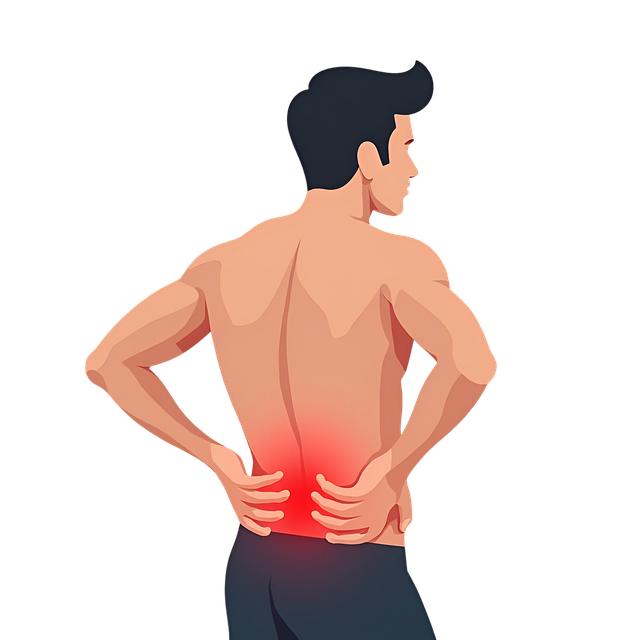
 lower back pain balance”>
Lower back pain that affects balance and stability
Introduction
Lower back pain that affects balance and stability has emerged as a pressing healthcare concern across diverse populations and age groups. Globally, low back pain ranks as the leading cause of disability and has been described by the Centers for Disease Control and Prevention (CDC) as a critical driver of diminished quality of life and work productivity. Estimates suggest that up to 80% of adults worldwide will experience low back pain at some point, with significant prevalence noted in both developed and developing regions. When this pain leads to impaired balance and stability, the impact on individuals’ functionality, risk of falls, and societal burden increases dramatically. Understanding the connection between lower back pain, ural control, and neuromuscular function is essential for effective prevention, diagnosis, and treatment.
Overview and Definition
Lower back pain, medically termed lumbago, refers to discomfort originating in the lumbar region of the spine, bounded anatomically between the costal margin (lower border of the rib cage) and the gluteal folds. When this pain disrupts balance and stability,it signifies involvement beyond localized musculoskeletal structures,frequently enough implicating somatosensory pathways,proprioception,and core stabilizer function. According to the National Institutes of Health (NIH), lower back pain is classified as acute (<6 weeks), subacute (6–12 weeks), or chronic (>12 weeks), and may be nonspecific (most common), radicular (nerve root involvement), or due to specific pathologies such as vertebral fracture, malignancy, or infection. World Health Organization data highlights that approximately 619 million persons experienced low back pain in 2020. Notably, the subset of patients who demonstrate impaired balance frequently enough present with underlying deficits in neuromuscular control, increasing their risk of mobility limitations and falls.
Causes and Risk Factors
A multitude of biological, mechanical, and environmental factors contribute to lower back pain, particularly when it leads to compromised balance and stability. Key causative mechanisms and risk factors include:
- Musculoskeletal Disorders: Muscular strain, ligamentous sprains, facet joint dysfunction, or degenerative disc disease are predominant, directly impairing spinal stability and the ability of trunk muscles to coordinate ural adjustments. Mayo Clinic outlines these as the most common primary causes.
- Disc Pathology and Nerve Root involvement: Conditions such as lumbar disc herniation, spinal stenosis, or foraminal narrowing can compress nerve roots, leading to sensory deficits, muscle weakness, and altered proprioceptive feedback — all vital for balance control (Healthline).
- Sacroiliac (SI) Joint dysfunction: The SI joint plays an integral role in load transfer between the trunk and lower limbs; its dysfunction disrupts pelvic balance and trunk stability (NIH).
- Neurological Deficits: Central nervous system disorders, peripheral neuropathy, or vestibular involvement can reduce somatosensory input and compromise motor response, exacerbating balance impairment. NIH – NINDS highlights the association with conditions like spinal cord injury or multiple sclerosis.
- Age-related Degeneration: Osteoporosis, vertebral compression fractures, and reduced intervertebral disc hydration are more prevalent in older adults, correlating with reduced musculoskeletal integrity and a higher propensity for balance disturbances (NIH).
- Behavioral and Environmental Factors: Sedentary lifestyle, occupational hazards involving repetitive lifting or prolonged sitting, obesity, and inadequate ergonomic practices further elevate risk. Even psychological stress is linked to muscle tension and altered pain processing (Harvard Health).
- Gender, Genetics, and Family History: Women, possibly due to differences in pelvic anatomy and hormonal influences, may face a higher risk. A family history of certain spinal pathologies increases susceptibility (NIH).

Pathophysiology: How Lower Back Pain Impacts Balance and Stability
The pathophysiology linking lower back pain with impaired balance and stability involves complex interactions across multiple body systems. Key mechanisms include:
- Disruption of Proprioception: Lower back pain may impair proprioceptive feedback from lumbar paraspinal muscles and lumbar ligaments, diminishing the brain’s ability to sense trunk position and movement (NIH).
- Alterations in Motor Control: patients often develop maladaptive ural strategies or abnormal gait, such as increased muscle co-contraction or compensatory trunk sways, in an attempt to minimize pain or instability (Medical News Today).
- Muscle Weakness and Deconditioning: Chronic pain,disuse atrophy,and reflex inhibition can led to weakness in core stabilizers (transversus abdominis,multifidus,pelvic floor muscles),reducing effective support to the lumbar spine.
- Sensory Integration Deficits: Lower back pain affects the spinal cord’s ability to integrate signals from the somatosensory, visual, and vestibular systems, all essential for maintaining ure and responding dynamically to perturbations (NIH).
- central Sensitization and Pain processing: Chronic pain may engage central nervous system mechanisms, heightening sensitivity to ural changes and resulting in exaggerated or inappropriate motor responses (medlineplus).
Collectively, these processes contribute to a higher incidence of unsteadiness, falls, and diminished confidence in mobility among affected individuals.
Clinical Presentation and symptomatology
Patients with lower back pain accompanied by balance and stability disturbances may present with a range of symptoms. Characterizing the clinical syndrome aids in targeted diagnosis and treatment.
- Primary Symptoms: Dull,throbbing,or sharp pain in the lumbar region; aggravated by movement,lifting,sitting,or standing for prolonged periods.
- Balance Disturbances: Sensation of unsteadiness, swaying, difficulty maintaining upright ure, especially on uneven surfaces.
- Instability and Falls: Episodes of stumbling or near-falls, particularly when walking or changing positions; increased fear of falling (Harvard Health).
- Sensory/Neurological Deficits: numbness, tingling, or weakness radiating to lower limbs, possible gait changes, foot drop, reduced vibratory or positional sense.
- Associated Features: Regional stiffness, muscle spasms, reduced range of motion, lower limb fatigue, or coordination deficits.
These symptoms may fluctuate in intensity. Acute exacerbations often follow physical exertion or injury, whereas chronic scenarios may be elaborate by persistent neuromuscular adaptations.
diagnosis and Clinical Evaluation
A thorough assessment is critical to distinguish benign musculoskeletal causes from more serious pathologies, as well as to evaluate functional impact on balance and stability.
History and Physical Examination
- Clinical History: Eliciting onset, characteristics, duration, aggravating/relieving factors, and history of trauma, falls, systemic symptoms (fever, weight loss) or neurological involvement.
- Physical Examination: Inspection of ure and gait,palpation for tenderness,assessment of lumbar mobility,neurological examination (motor,sensory,reflexes),special tests for balance (Romberg’s,single-leg stance),and core muscle strength assessments (Mayo Clinic).
screening Tools and Functional Assessments
- timed Up and Go (TUG) Test
- Berg Balance Scale
- Dynamic Gait Index
- Oswestry Disability Index (ODI) for low back pain–related disability (NIH)
Imaging and Ancillary Studies
- X-ray: Useful for detecting vertebral fractures,spondylolisthesis,or gross structural changes.
- magnetic Resonance Imaging (MRI): Gold standard for evaluating intervertebral disc pathology, spinal cord compromise, and neural impingement (RadiologyInfo).
- Computed Tomography (CT): Provides detailed bone visualization, frequently enough used if MRI is contraindicated.
- Electrodiagnostic Studies: (e.g., nerve conduction studies, EMG) for suspected radiculopathy or peripheral neuropathy.
Routine bloodwork may be warranted if infection, malignancy, or systemic inflammatory disease is suspected.
Common Medical conditions Associated with Lower Back Pain and Balance Impairment
- Lumbar Radiculopathy: compression or inflammation of spinal nerve roots often causes sensory-motor deficits and foot drop, impeding gait, and ural adjustments (NHS).
- Spinal Stenosis: Narrowing of the spinal canal may compress neural elements, resulting in bilateral lower limb numbness, weakness, claudication, and unstable walking (Mayo Clinic).
- Degenerative disc Disease: Dehydration and loss of disc height diminishes shock absorption, increases micromotion, and alters trunk muscle recruitment.
- Vertebral Compression Fractures: Common in osteoporotic populations, these lead to altered spinal alignment, ural sway, and fall risk (Healthline).
- Sacroiliac Joint Dysfunction: Alters pelvic symmetry and the body’s kinetic chain necessary for dynamic balance (Medical News Today).
- Central Sensitization Syndromes: Disorders such as fibromyalgia may result in globally heightened pain sensitivity, impaired balance, and increased fall risk.
- peripheral Neuropathies: Diabetic neuropathy and other peripheral nerve disorders compromise lower limb feedback required for balance correction (MedlinePlus).
- Spinal Cord or CNS Disorders: Multiple sclerosis, tumors, or injury often present with both back pain and significant gait or ural disturbance.
Complications and Impact on daily Life
Lower back pain that impairs balance and stability carries several short- and long-term complications:
- Increased Fall Risk: Loss of ural control is a leading risk factor for falls and associated injuries, particularly in older adults (NIH).
- Functional Limitation: Difficulties in performing activities of daily living (ADLs),reduced ability to walk,climb stairs,or perform work tasks.
- Reduced Quality of Life: Chronic pain, psychological distress (anxiety, depression, fear of movement), and social isolation are prevalent in affected patients.
- Financial Impact: Increased healthcare utilization, time off work, higher risk of disability claims, and reliance on assistive devices (CDC).
- Musculoskeletal Sequalae: Poor ure and compensatory strategies may lead to chronic muscle imbalance,secondary joint pain,and progressive deformity.
Evidence-based Treatment Options
Management strategies for lower back pain with balance and stability involvement should be multidisciplinary and individualized according to underlying etiology, severity, comorbidities, and patient goals.
Non-Pharmacological Treatments
- Physical Therapy: Tailored exercise programs focus on strengthening core and pelvic stabilizers, improving adaptability, motor control, and proprioception (Mayo Clinic). Balance retraining and (where safe) gradual exposure to mobility challenges are cornerstone approaches.
- Exercise Interventions: Programs incorporating aerobic exercise, Pilates, yoga, and tai chi have demonstrated efficacy in reducing pain and enhancing ural stability (harvard Health).
- Manual Therapy: Techniques such as spinal mobilization, manipulation, and soft tissue massage may provide symptomatic relief and restore range of motion.
- Education and Cognitive-behavioral Therapy: Addressing fear-avoidance, catastrophic thinking, and empowering self-management skills is supported by the current guidelines.
- Assistive Devices: The use of canes, walkers, or orthotics might potentially be recommended to improve safety and mobility in high-risk populations (CDC – STEADI).
Pharmacological Therapies
- Analgesics: Paracetamol (acetaminophen) and nonsteroidal anti-inflammatory drugs (NSAIDs) are often first-line for symptomatic relief (NHS).
- Muscle Relaxants: Short-term use may be beneficial for severe muscle spasm.
- Neuropathic Agents: Medications such as gabapentinoids or specific antidepressants may be considered for nerve-related pain.
- Topical Agents: Topical NSAIDs or lidocaine patches can provide localized relief with less systemic exposure.
- Short-term Opioids: Reserved only for severe, refractory pain and for the shortest duration possible due to risks of dependence (CDC).
Interventional Procedures
- Epidural Steroid injections: Bolster short-term relief for radiculopathy and inflammation (NHS).
- Radiofrequency Ablation, Nerve Blocks, or Facet Injections: Targeted modalities for select chronic pain syndromes.
- Surgical Intervention: Indicated for intractable cases (e.g.,progressive neurological deficits,structural instability,cauda equina syndrome),but must be carefully weighed against risks and rehabilitation goals (Mayo Clinic).
Emerging and Complementary Therapies
- Neuromodulation: Spinal cord stimulation has been explored in refractory cases with favorable preliminary results (NIH).
- Mindfulness, Acupuncture, and Biofeedback: These complementary modalities may provide adjunctive benefit in pain relief and restoring movement confidence (Healthline).
Prognosis and long-Term Outcomes
With early intervention and multidisciplinary care, most cases of lower back pain associated with balance disturbances see functional advancement within weeks to months. Though, some patients with chronic pain, neurological impairment, or persistent ural deficits may experience ongoing disability (WHO). Prognosis is influenced by factors such as age, comorbid conditions, baseline physical activity level, psychological resilience, and adherence to rehabilitation protocols.
Prevention Strategies and Lifestyle Modifications
Efforts to prevent lower back pain and minimize balance instability should focus on population education, risk factor modification, and targeted exercise interventions.
- Maintain Optimal Body Weight: Obesity increases mechanical load on the spine and weakens ural muscles (Harvard Health).
- Engage in regular Physical Activity: Aerobic, resistance, and flexibility training maintain spinal and pelvic muscle function and proprioception.
- Implement Ergonomic Best Practices: Use appropriate lifting techniques, support lumbar curvature when sitting, adjust workstation height, and take regular breaks during physically demanding work (Mayo Clinic).
- fall Prevention for Older Adults: Remove tripping hazards, install grab bars, improve lighting, and review medications for side effects that impair balance (CDC).
- Address and Treat Underlying Medical Conditions: Early management of osteoporosis, diabetes, and neurological disorders is critical (NHS).
- Psychological Wellbeing: Stress reduction and cognitive-behavioral therapies address pain-related anxiety and improve rehabilitation adherence.
When to Seek Medical attention
Immediate evaluation is warranted for lower back pain associated with:
- Severe or sudden onset of balance loss or falls
- Progressive muscle weakness, numbness, or tingling in lower extremities
- Loss of bladder or bowel control (possible cauda equina syndrome—medical emergency)
- Unexplained weight loss, fever, or history of cancer/infection
For ongoing symptoms or when pain significantly limits activity or mobility, a multidisciplinary approach—often involving a primary care physician, physical therapist, pain specialist, and rehabilitation team—will provide the most comprehensive care (Mayo clinic).
support, Resources, and Patient Education
Maintaining open dialog with healthcare professionals and utilizing reputable resources can empower patients and caregivers:
- CDC STEADI Initiative
- WHO low Back Pain fact Sheet
- Mayo Clinic Back Pain Center
- Harvard Health: Back Pain & Exercise
- NHS: Back Pain
Patient support groups, online education platforms, and telehealth programs increasingly offer accessible pathways for ongoing management and rehabilitation.
Conclusion
Lower back pain that affects balance and stability is a multifaceted condition with significant personal and public health consequences. Comprising complex mechanisms spanning the musculoskeletal and nervous systems, this syndrome places individuals at heightened risk for falls, functional impairment, and reduced quality of life. Evidence-based approaches emphasize early diagnosis, multidisciplinary management, and targeting both pain and motor dysfunction. Advances in research continue to inform treatment paradigms and prevention strategies. Patients, caregivers, and healthcare providers must remain vigilant for red-flag symptoms and prioritize rehabilitative, lifestyle, and medical interventions tailored to restore both comfort and safe mobility.