






Signs Your Emotionally Drained and How to Recharge
Introduction
In today’s fast-paced society,emotional exhaustion is increasingly recognized as a meaningful public health issue affecting millions worldwide. Emotional drainage-a state of overwhelming psychological fatigue-can impair cognitive functioning,diminish physical health,and reduce overall quality of life. Recent global challenges such as the COVID-19 pandemic have magnified stressors, leaving many grappling with chronic stress, burnout, or emotional fatigue. According to the Centers for Disease Control and Prevention (CDC), persistent stress can substantially increase the risk of mental health disorders, with profound personal and socioeconomic consequences. This comprehensive guide details evidence-based signs of emotional depletion,delineates its underlying mechanisms and risk factors,and provides actionable,research-backed strategies to help you effectively recharge.
understanding Emotional Drain: pathophysiology and risk Factors
What Is Emotional Drain?
Emotional drain, sometimes termed emotional exhaustion, is a prolonged state of emotional and psychological fatigue. It extends beyond temporary stress and is often characterized by a persistent sense of feeling “worn out” emotionally and mentally. This condition is closely related to-but distinct from-clinical depression or generalized anxiety disorder, even though it may serve as a precursor to these mental health disorders (NCBI).

pathophysiology of Emotional Drain
The pathophysiology of emotional drainage involves complex interactions between the hypothalamic-pituitary-adrenal (HPA) axis, chronic activation of the stress response, and neurochemical imbalances. Sustained exposure to psychological stressors triggers excessive secretion of cortisol and catecholamines, leading to dysregulation of mood, sleep, and immune function (NCBI). Over time, the body’s adaptive mechanisms wane, resulting in cognitive impairment, somatic symptoms, and emotional numbness.
Common Risk Factors
- High Stress Occupations: healthcare professionals, educators, caregivers, and law enforcement are particularly susceptible to emotional exhaustion (JAMA).
- Chronic Life Stressors: Relationship difficulties, financial strain, or life transitions may precipitate emotional fatigue.
- Poor Work-Life Balance: An imbalance between professional and personal responsibilities contributes to burnout (WHO).
- Psychological Vulnerabilities: Previous mental health conditions such as anxiety or depression amplify the risk.
- Lack of Social Support: Insufficient emotional or instrumental support elevates susceptibility to emotional drain (NCBI).
Recognizing the Signs: Symptomatology of Emotional Drain
Identifying emotional exhaustion early is vital for intervention and prevention of further complications. The symptomatology spans cognitive, emotional, behavioral, and somatic domains. Below are the hallmark signs of being emotionally drained, supported by rigorous clinical research.
Cognitive signs
- Difficulty Concentrating: Chronic emotional stress impairs executive functions, leading to poor memory, attention lapses, and impaired decision-making (Harvard Health).
- Brain Fog: Many report subjective cognitive clouding or a sense of mental sluggishness, often exacerbated by lack of restorative sleep.
Emotional Signs
- Persistent Irritability: Prolonged emotional fatigue lowers frustration tolerance and increases the likelihood of mood swings or irritability.
- Feelings of Detachment or Numbness: A sense of emotional blunting, where individuals struggle to feel positive emotions or meaning in daily life (Medical News Today).
- Low Motivation and hopelessness: Persistent lack of drive or feelings of helplessness-symptoms that frequently enough precede depressive episodes.
Behavioral Signs
- Social Withdrawal: avoidance of social interactions, even with loved ones, is a common coping response to emotional depletion.
- Procrastination and Poor Performance: Reduced productivity, increased absenteeism, and difficulty meeting responsibilities (Mayo Clinic).
- Neglect of Self-Care: Skipping meals, avoiding exercise, or neglecting hygiene are behavioral red flags.
Somatic (Physical) Symptoms
- Chronic Fatigue: Persistent tiredness unrelieved by rest, often accompanied by muscle aches or headaches.
- sleep Disturbances: insomnia, difficulty maintaining sleep, or restless, unrefreshing slumber (Sleep Foundation).
- Changes in Appetite: Emotional drain can cause both decreased and increased food intake, contributing to fluctuations in weight.
Diagnostic Criteria
Even though emotional drain is not a standalone DSM-5 diagnosis, it shares overlapping criteria with conditions such as burnout, adjustment disorder, and major depressive disorder. Health professionals typically use validated tools such as the Maslach Burnout Inventory for structured assessment.
The Impact of Emotional Drain on Health and Functioning
Mental health Implications
Untreated emotional exhaustion can escalate into clinically significant psychiatric conditions. Studies indicate strong associations between emotional drain and increased risk for major depressive disorder,generalized anxiety disorder,and substance abuse. Chronic emotional stress can also precipitate -traumatic stress disorder (PTSD) in susceptible individuals (JAMA Psychiatry).
Physical Health Outcomes
The deleterious effects of persistent emotional drain extend to cardiovascular,immunological,and metabolic systems.Elevated cortisol levels contribute to hypertension, recognized as a risk factor for ischemic heart disease (CDC). Additionally, emotional strain compromises immune function, increasing susceptibility to infections and chronic inflammation (NIH).
Workplace and Social Functioning
Emotional exhaustion is a leading cause of reduced productivity, absenteeism, and job turnover (WHO). Moreover, social withdrawal and impaired interpersonal relationships can lead to isolation, contributing to a negative feedback loop exacerbating emotional drain (MedlinePlus).
Common Causes and Triggers of Emotional Drain
Understanding the root causes of emotional fatigue enables targeted management and prevention efforts. Triggers may be acute or chronic and are often cumulative.
- Occupational Burnout: High job demands, lack of control, and insufficient recognition are key drivers of professional burnout.
- Chronic Illness or caregiving: managing ongoing health conditions or caring for dependent relatives can deplete emotional reserves (Mayo Clinic).
- Personal or Family Crisis: Divorce,bereavement,or family conflict impose acute psychological demands.
- Social and Environmental stressors: Economic instability, discrimination, and unsafe environments are chronic sources of emotional stress (CDC).
- Lack of Emotional Support: Absence of a supportive community, friends, or mentorship increases vulnerability (NCBI).
How to Diagnose and Assess Emotional Drain
The diagnosis of emotional drain is clinical, often relying on the patient’s reported symptoms and functional impairment. Health professionals may use standardized psychological questionnaires, medical history, and, when indicated, laboratory tests to rule out secondary causes such as hypothyroidism or sleep apnea (Healthline).
Self-Assessment Tools
For persistent, severe, or worsening symptoms, referral to a mental health professional is recommended for structured evaluation.
How to Recharge: Evidence-Based Strategies
Recovery from emotional drain requires a multifaceted, evidence-based approach focusing on psychological resilience, lifestyle modification, and-when appropriate-medical intervention. The following strategies are supported by peer-reviewed research and major health institutions.

1.Prioritize Sleep Hygiene
Restorative sleep is indispensable for emotional and cognitive health. Follow Sleep Foundation guidelines: maintain a consistent sleep schedule, create a comfortable sleep habitat, and avoid blue-light-exposure before bedtime. CBT-I (Cognitive Behavioral Therapy for Insomnia) is an effective non-pharmacological intervention for chronic sleep disturbance (JAMA Internal Medicine).
2. Incorporate mindfulness-Based Interventions
Mindfulness practices such as meditation, deep breathing, and progressive muscular relaxation alleviate psychological distress and boost emotional resilience. Randomized control trials confirm the efficacy of mindfulness-based stress reduction (MBSR) in reducing anxiety, depressive symptoms, and emotional exhaustion (NCBI).
3. Optimize Nutrition
A balanced diet supports neurotransmitter synthesis and optimal immune function. Diets rich in omega-3 fatty acids, B vitamins, complex carbohydrates, and antioxidants are beneficial for mood and cognition (Harvard Health). Avoid excessive caffeine, processed sugars, and alcohol, which can exacerbate mood instability.
4. Engage in Regular physical Activity
Physical exercise enhances mood via release of endorphins and neurotrophic factors, and it mitigates physiological stress responses. CDC guidelines reccommend at least 150 minutes of moderate-intensity aerobic activity weekly. Mind-body exercises like yoga and tai chi further promote relaxation and emotional well-being (NIH).
5. Strengthen social Connections
Human beings are inherently social. Supportive interpersonal relationships buffer against the deleterious effects of stress and emotional drain (NCBI). Engage regularly with family, friends, or support groups. If you feel isolated, consider volunteering or joining online communities.
6. Set Boundaries and Practice Assertiveness
learning to say “no” is a critical self-care skill. Overcommitting leads to emotional depletion and resentment. Assertiveness training and boundary setting can be practiced with the help of therapeutic professionals (Mayo Clinic).
7. Schedule Regular “Digital Detox” Periods
Constant exposure to digital devices and social media can worsen emotional exhaustion. Dedicating scheduled times for digital disconnection improves focus,sleep quality,and emotional regulation (Healthline).
8. Practice Self-Compassion and Acceptance
Self-compassion is linked with lower psychological distress and improved coping. Practice positive self-talk, forgive yourself for mistakes, and recognize your emotional limits (NCBI).
9. Engage in Meaningful Activity
Find activities that bring you purpose and joy, whether creative pursuits, hobbies, or volunteer work. engaging in meaningful activities increases positive affect and buffers against burnout (Psychology Today).
10. Seek Professional Help When Needed
Persistent emotional exhaustion, especially when accompanied by functional decline or suicidal ideation, warrants assessment by a licensed mental health professional or physician. Evidence-based therapies include cognitive-behavioral therapy (CBT),pharmacological intervention when indicated,or supportive psychotherapy (NHS).
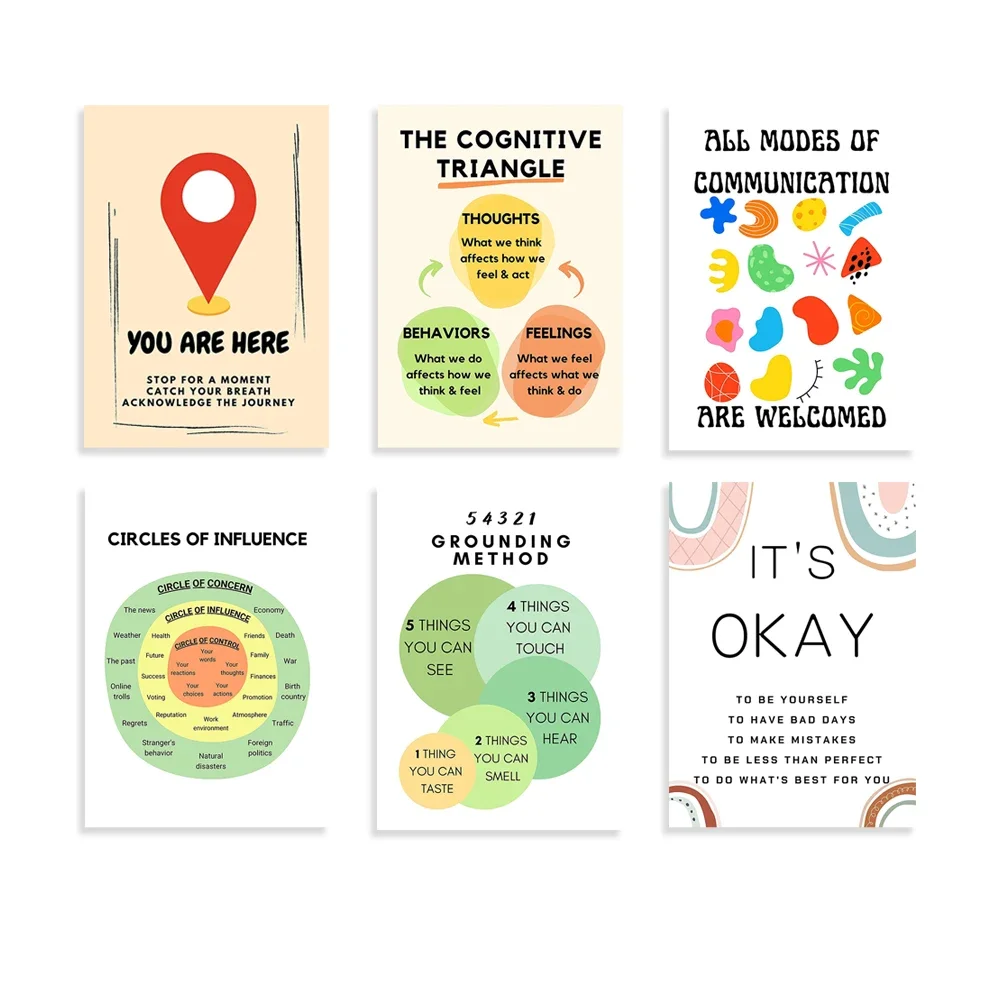

Preventing Emotional Drain: Long-Term Strategies
Preventing emotional depletion requires ongoing attention to healthy routines and stress management. Institutions such as the CDC recommend the following approaches:
- Routine Mental health Maintenance: Incorporate regular check-ins with your emotional state. Journaling, self-reflection, and periodic use of self-assessment tools can definitely help you monitor for early warning signs.
- Work-Life Integration: Structure your day to include regular breaks, prioritize downtime, and advocate for manageable workloads.
- Lifelong Learning: Educate yourself about stress and resilience-building techniques through reputable courses, webinars, or workshops.
- Advocate for Healthy Environments: Support workplace or community initiatives that promote psychological well-being and reduce chronic stressors (WHO).
When to Seek Immediate Help: Warning Signs and Resources
Certain symptoms warrant immediate intervention. Seek urgent help if you experience:
- Suicidal thoughts or urges (988 Suicide & Crisis Lifeline)
- Severe, persistent hopelessness, or inability to function in daily life
- Hallucinations, paranoia, or disorganized thinking
- Substance abuse with loss of control or perilous behaviors
Access national and international support through reputable organizations such as the National Institute of Mental Health (NIMH), SAMHSA Helpline,or local mental health services.
Frequently Asked questions (FAQs)
What is the difference between emotional drain, burnout, and depression?
While all share overlapping symptoms, emotional drain is often a precursor to burnout and depression. Burnout is specifically work-related and includes emotional exhaustion, depersonalization, and reduced personal accomplishment. Depression encompasses persistent low mood, anhedonia, and a constellation of physical and emotional symptoms.
Is emotional drain reversible?
Yes-with structured intervention, most people recover from emotional exhaustion. Early recognition and targeted strategies significantly improve prognosis (Mayo Clinic).
Can physical illness cause emotional drain?
Chronic physical conditions such as autoimmune disorders, diabetes, or cancer can lead to emotional depletion due to disease burden, pain, and treatment side effects (NIH).
Conclusion
Emotional drain, a pervasive and potentially debilitating state, has wide-ranging implications for mental, physical, and social health. Timely identification and intervention are critical-not only to alleviate personal suffering but to prevent downstream complications such as clinical depression, anxiety, or cardiovascular disease. By adopting evidence-based lifestyle modifications, strengthening social connections, and seeking professional support when necessary, individuals can effectively recharge and build sustainable emotional resilience. Consult your physician or a mental health professional if you recognize symptoms of emotional exhaustion in yourself or a loved one. Your well-being deserves attention and care.
References
- CDC – Coping with stress
- National Institute of Mental Health (NIMH)
- Mayo Clinic – Job Burnout
- Harvard Health – Understanding the Stress Response
- NCBI – Emotional Exhaustion Review
- JAMA – Physician Burnout
- NCBI - Chronic Stress and Immune Function
- Sleep Foundation – Emotional Exhaustion and Sleep
- NCBI – Maslach Burnout Inventory