
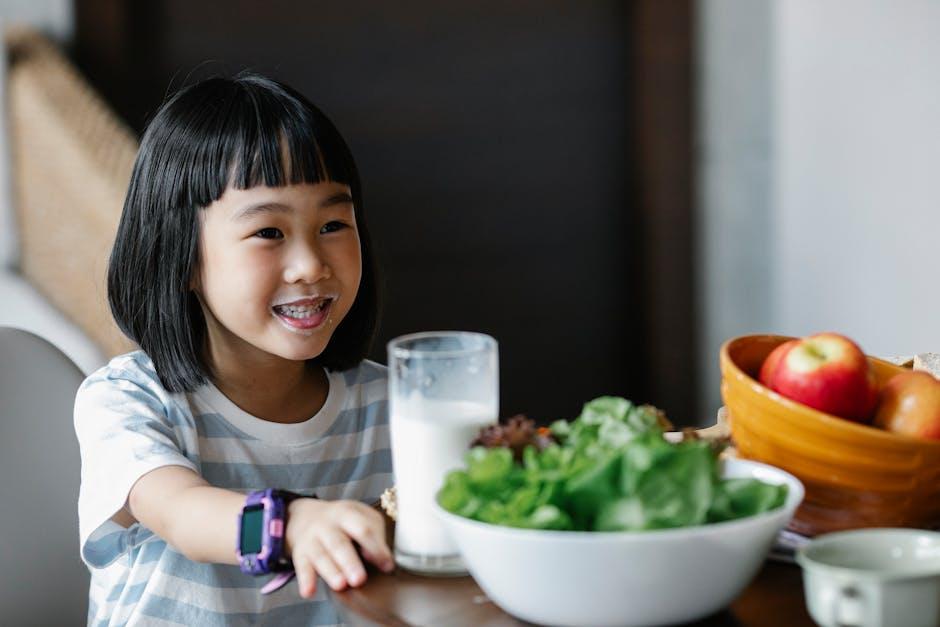
 nutrient-dense meals“>
Best Kid-Friendly Meals That Are Actually Nutrient-Dense
introduction
Ensuring that children consume balanced, nutrient-dense meals is a cornerstone of lifelong health and disease prevention. Childhood nutrition profoundly influences progress, cognitive performance, immune health, and the risk of chronic illnesses later in life, according to organizations such as the World Health Organization (WHO) and the Centers for Disease Control and Prevention (CDC). However, many parents encounter challenges: the prevalence of processed foods, food marketing aimed at children, restricted time for meal preparation, and common pediatric pickiness or aversions make it difficult to regularly serve healthful, appealing dishes.
This article provides a complete, evidence-based guide to the best kid-friendly meals that are actually nutrient-dense. Each meal option is designed to support optimal growth,cognitive and emotional development,and lifelong wellness,all while enticing young palates. We will highlight the scientific rationale behind ingredient choices and offer practical, family-friendly preparation tips, drawing on the latest clinical guidelines and pediatric nutrition research.
Why Nutrient Density Matters for Kids
The formative years of childhood are characterized by rapid physical,cognitive,and psychosocial development. Nutrient-dense meals—defined as foods providing considerable amounts of essential vitamins, minerals, phytonutrients, and macronutrients relative to their calorie content—are fundamental for supporting these dynamic processes. According to the National Institutes of Health and the NHS Eatwell Guide, diets high in added sugar, saturated fat, and sodium but low in fiber, vitamins, and minerals are associated with increased risks of pediatric obesity, type 2 diabetes, cardiovascular disease, and micronutrient deficiencies.
Moreover, nutritional inadequacies can adversely affect attention span, learning, memory formation, and psychological wellbeing.Such as, research indicates that children suffering from iron or iodine deficiencies may experience impaired cognitive performance, while sufficient intake of omega-3 fatty acids, B vitamins, and high-quality protein is linked to better academic outcomes and mood regulation. Creating meals that are both nutrient-dense and appealing to children requires intentional ingredient selection and creative presentation.
Core Principles of Kid-Friendly, Nutrient-Dense Meals
- Diversity: Incorporate a broad variety of whole foods, including multiple colors, textures, and flavors to maximize vitamin and mineral intake.
- Vegetable Inclusion: Use creative methods (purees, mixed dishes, “hidden veggies”) to integrate vegetables, since moast children in Western countries fall short of recommendations (CDC).
- Lean Proteins: Emphasize high-quality proteins for muscle growth and immune function—think beans, eggs, fish, poultry, yogurt, and seeds (Harvard Health).
- Healthy Fats: Include sources of essential fatty acids, such as avocado, nuts, seeds, and fatty fish, to support neurodevelopment (NIH).
- Whole Grains: Swap refined grains for whole varieties (brown rice, oats, quinoa, whole wheat bread) for sustained energy and fiber (Harvard Nutrition Source).
- Limit Added Sugars and Processed Foods: Opt for naturally sweet foods (fruits, sweet veggies) and minimize processed snacks, adhering to American Heart Association’s recommended limits.
The Science of Picky Eating: Evidence-Based Strategies
Picky eating is a common pediatric phenomenon with roots in evolutionary psychology, sensory sensitivity, and behavioral modeling. A meta-analysis published in JAMA Pediatrics suggests the most effective strategies are repeated non-pressurized exposure to new foods, creative involvement of children in meal preparation, and positive role-modeling. Avoidance of coercion and the gradual introduction of novel flavors increase acceptance over time.
The key is to offer nutrient-dense ingredients in familiar,visually appealing forms. Such as,adding spinach to smoothies or finely chopped vegetables to sauces can enhance nutritional quality while minimizing detection. Involvement in age-appropriate cooking tasks also increases a child’s willingness to try new foods,as documented by clinical studies.
Top 10 Best Kid-Friendly, Nutrient-Dense Meals
Each meal below is designed to be both nutritionally robust and attractive to children’s senses. Recipes are adaptable for common allergies, cultural preferences, and dietary restrictions.
1. Rainbow Veggie Omelet
- core Ingredients: Eggs (or egg substitute), spinach, bell pepper, mushrooms, tomatoes, onions, a sprinkle of cheese
- Nutritional Benefits: High-quality protein, choline, vitamin D, folate, antioxidants, and fiber. eggs are a “complete” protein and offer cognitive benefits from choline and DHA.
- Kid-Friendly Preparation: Let children choose their own “colors” (veggies) to fold in; cook as muffins or in fun shapes for added engagement.
2. Turkey & Veggie “Hidden” Meatballs
- Core Ingredients: Lean ground turkey (or chicken), shredded carrots, zucchini, spinach, oats, garlic, egg
- Nutritional Benefits: Lean protein, iron, vitamin A, fiber, and complex carbohydrates. Using oats in place of breadcrumbs boosts soluble fiber for gut health (NIH).
- Kid-Friendly Preparation: Serve with tomato sauce and whole wheat pasta, or as sandwich sliders; encourage kids to help form the meatballs.
3. Lentil and Sweet Potato Shepherd’s Pie
- Core Ingredients: Lentils, sweet potato mash, carrots, peas, onions, low-sodium broth, minimal added salt
- Nutritional Benefits: Plant-based protein, iron, potassium, vitamin C, beta carotene, and fiber. Lentils are excellent for cardiovascular and digestive health (harvard Health).
- Kid-Friendly Preparation: Present as single-serve mini pies or “cupcakes”; sweet potato topping adds natural sweetness and vibrant color.

4. Salmon & Veggie Sushi Rolls
- Core Ingredients: Cooked salmon (or tofu for vegetarians), avocado, cucumber, carrots, nori, brown rice
- Nutritional Benefits: Omega-3 fatty acids (EPA/DHA crucial for brain development), vitamin D, magnesium, and B vitamins (NIH).
- Kid-Friendly Preparation: Rolling sushi is a fun, interactive food experience; use safe, child-friendly tools and allow creative fillings.
5. Greek Yogurt Parfaits with Berries and Nuts
- Core Ingredients: Plain Greek yogurt, assorted berries (blueberries, strawberries, raspberries), chopped nuts/seeds, a drizzle of honey or maple syrup (for children over 1 year)
- Nutritional Benefits: Probiotics for gut health, calcium, protein, vitamin C, fiber, and polyphenols (NIH).
- Kid-Friendly Preparation: Allow kids to build their own parfait “layers” using a variety of toppings and flavors. Substitute seeds for allergy concerns.
6. Chicken and Quinoa Rainbow Stir-Fry
- Core Ingredients: Diced chicken breast, cooked quinoa, broccoli, snap peas, carrots, bell peppers, sesame oil, low-sodium soy sauce
- Nutritional Benefits: Complete protein, iron, fiber, magnesium, and vitamin C. Quinoa provides all nine essential amino acids (Harvard nutrition Source).
- Kid-Friendly Preparation: Present as a color-rich “rice bowl”; let children pick their favorite veggies for personalization.
7. Black Bean & Veggie Quesadillas
- core Ingredients: Whole wheat tortillas, black beans, shredded cheese, spinach, corn, diced tomato
- Nutritional Benefits: Plant-based protein, fiber, iron, calcium, and vitamin A (Healthline).
- Kid-friendly Preparation: Cut into fun shapes with cookie cutters; provide a mild salsa or yogurt dip.
8. Baked Cod Nuggets with Sweet Potato Wedges
- Core Ingredients: Cod fillets (or another white fish), whole wheat breadcrumbs, eggs, sweet potatoes, olive oil
- Nutritional Benefits: Lean protein, vitamin B12, iodine, and omega-3 fats.Sweet potato offers complex carbohydrates and beta carotene (NIH).
- Kid-Friendly Preparation: Bake rather than fry for lower saturated fat; serve with homemade yogurt-based dip.
9. Whole grain Pancakes with Nut Butter and Banana
- Core Ingredients: Whole wheat or oat flour, eggs, milk (or plant milk), nut or seed butter, banana slices
- Nutritional Benefits: Fiber, protein, potassium, healthy fats, and B vitamins (Medical news Today).
- Kid-Friendly Preparation: Make pancakes into shapes (e.g., animals); let kids spread nut butter and add toppings themselves.
10. Vegetable & Bean Chili
- Core Ingredients: Mixed beans (kidney, black, pinto), tomato sauce, carrots, celery, corn, bell pepper, garlic, onion, mild spices
- Nutritional Benefits: Complete plant protein (when paired with whole grains), iron, fiber, vitamin C, and phytonutrients (Healthline).
- Kid-Friendly Preparation: Offer with fun toppings like shredded cheese, avocado, or a small serving of whole grain tortilla.
Snack-Time: Smart, Nutrient-Packed Options
- Apple Slices with Seed Butter: Fiber, vitamin C, plant-based fats
- Trail Mix: Nuts, seeds, dried unsweetened fruit (watch for choking hazard under age 4); magnesium, protein (Harvard Health)
- Edamame: Complete protein, folate, iron, fiber
- Mini Hummus & Veggie Dippers: Carrot, cucumber, pepper strips with chickpea-based hummus
- Homemade Energy Bites: Oats, flaxseed, chia, nut butter, honey, dark chocolate chips
Table: Nutrient Highlights of Meal Components
| Food Group | Key Nutrients | Primary Health Benefits |
|---|---|---|
| Lean Proteins | Iron, Zinc, Vitamin B12, Choline, Omega-3s | Muscle and cognitive development, immune support, red blood cell production |
| Whole Grains | Fiber, B vitamins, Magnesium | Digestive health, energy metabolism, long-lasting satiety |
| Dairy/Alternatives | Calcium, Vitamin D, Protein, Probiotics (yogurt) | Bone mineralization, dental health, gut microbiome support |
| Fruits & Vegetables | Vitamin C, A, Folate, Antioxidants, Potassium | Immune function, vision, growth, oxidative stress protection |
| Nuts & Seeds | Healthy fats, Vitamin E, Magnesium | Brain development, inflammation control, cardiovascular health |
Tips to Encourage Healthy Eating Patterns
- Model Healthy Behaviors: Parental dietary habits and mealtime attitudes are fundamental shapers of children’s food preferences (NIH).
- Involve Kids in Cooking: Age-appropriate roles boost willingness to try new foods.
- Minimize Distractions: TV and screens during meals are associated with mindless eating and decreased vegetable intake (CDC).
- offer Repeated Exposure: Repeated, pressure-free tasting of new foods aids acceptance; typically 10–15 exposures are needed (NIH).
- Control snack Quality and Timing: Avoid energy-dense, nutrient-poor snacks before mealtimes; offer healthy options rather.
Managing Food Allergies and Special Diets
Socioeconomic and clinical considerations arise for children with allergies (milk, egg, nut, gluten) or therapeutic diets (plant-based, celiac disease, diabetes). Evidence-based management involves careful reading of ingredient labels, use of safe alternatives (sunflower seed butter, fortified non-dairy milks, gluten-free grains), and supervised dietary supplementation as needed (NIH).
registered dietitian consultation and regular nutritional review are recommended for children with complex needs to ensure adequate growth and micronutrient status. For detailed advice, consult FARE’s resources or a pediatric healthcare specialist.
frequently Asked Questions (FAQ)
How much variety do children need in their diets?
A diverse, colorful diet supports optimal micronutrient intake and lowers the risk of nutrient-specific deficiencies. The NHS recommends at least five servings of fruits and vegetables daily, corresponding to a variety of plant and animal foods over the course of a week.
How can I identify “hidden” added sugars and unhealthy additives?
Read nutrition labels vigilantly—look for choice names for sugar (glucose, fructose, syrup), high sodium, and preservatives. The FDA’s nutrition label guide is a useful tool.
Are frozen and canned foods acceptable in child nutrition?
Yes—when prepared without added salt or sugar,frozen and canned vegetables retain most of their vitamins and minerals, making them cost-effective and accessible alternatives.
Should children take dietary supplements?
A varied diet typically meets most vitamin and mineral needs, but supplements (vitamin D, iron) may be indicated in select cases (NHS guidance). Consult a healthcare provider before initiating supplementation.
Conclusion
Kid-friendly meals can—and should—be both appealing and deeply nourishing.Emphasizing nutrient density in childhood not only prevents acute and chronic illnesses but also supports academic, psychological, and social development. By incorporating a diverse array of whole foods, involving children in the cooking process, and employing evidence-based strategies to manage selective eating, parents can lay the foundation for a resilient, healthy adulthood. for personalized support, regular consultation with a pediatric registered dietitian or qualified healthcare provider is advised.
For additional resources, see the CDC’s Pediatric Nutrition Portal, Mayo Clinic Child Nutrition Guide, or arrange an appointment with a local pediatric nutrition specialist.
references
- WHO: Healthy Diet Facts
- CDC: Nutrition for Children
- NIH: Importance of Nutrients for Children
- NHS: The Eatwell guide
- JAMA Pediatrics: Strategies for picky Eating
- Harvard Health: Kids and Healthy eating
- Mayo Clinic: Child Nutrition